
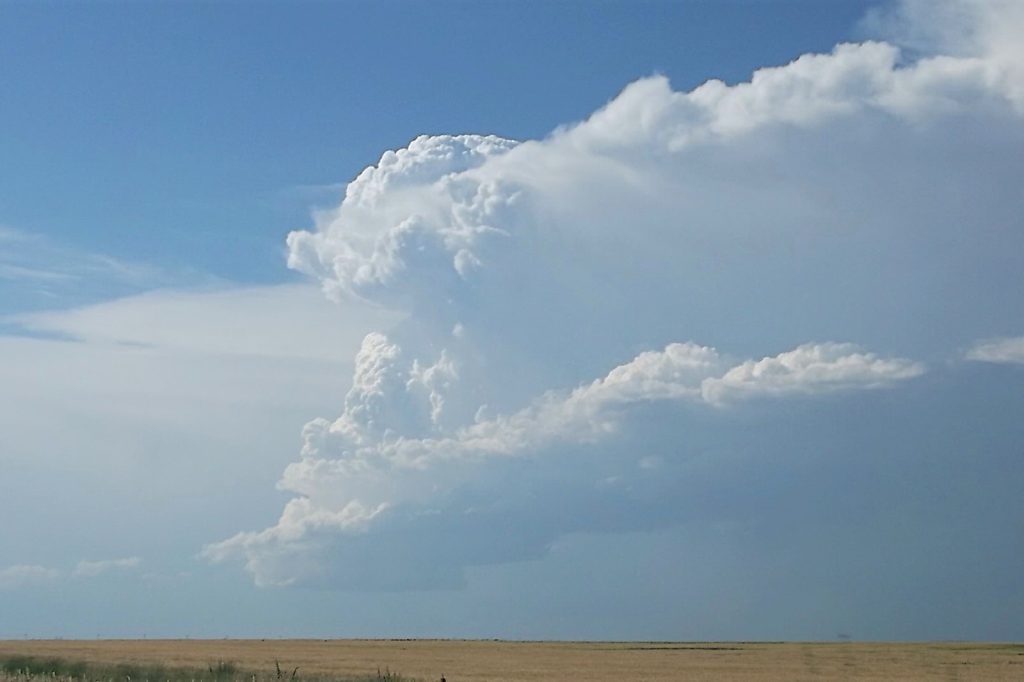
A sharp rise in storm activity over the past several hours has produced reports of severe weather across multiple states, as the National Weather Service issues warnings and advisories for affected regions. The system, continuing its eastward movement, places the next 24 hours as a critical window for determining the full scope of impact.
Residents are being urged to monitor local news and weather reports and to take necessary precautions to stay safe.
Severe Weather Patterns and Historical Context
Severe storms have long shaped the American landscape, recurring each year with patterns that shift with the seasons. Spring and summer regularly bring thunderstorms capable of generating high winds, large hail, and tornadoes across the Great Plains and the Midwest. These areas sit where warm, moist air from the Gulf of Mexico collides with cooler, drier air from the north and west, creating the atmospheric instability that fuels intense weather. Historical records show that such outbreaks have occurred for well over a century; notable tornado sequences in the 1950s and 1970s prompted early efforts to improve forecasting and warning systems.
Severe storms are defined by the National Weather Service as weather events with the potential to cause damage through strong winds, heavy rain, hail, or tornadoes. The NWS issues warnings based on specific criteria, including wind speeds and hail size.
While individual storms are short-lived, their cumulative impact can disrupt communities, damage property, and strain emergency resources over wide areas. The current concern follows a pattern seen in earlier decades, when clusters of powerful storms moved rapidly across multiple states.
Federal Response and Coordination
The US administration, led by President Donald Trump, is closely monitoring the situation and working with local authorities to respond to the storms. Vice President JD Vance has spoken with governors of the affected states, offering support and resources.
Secretary of State Marco Rubio has been briefed and is working with international partners to provide assistance if needed. The federal role has evolved since the mid-20th century, when the Weather Bureau—later renamed the National Weather Service—began issuing formal advisories. Over time, agencies such as the Federal Emergency Management Agency developed protocols to assist regions after severe weather strikes, especially when local capacity is overwhelmed.
What makes these storms significant now is their growing potential to affect large populations and critical infrastructure in a short period. With more people living in storm-prone areas and more property exposed, even well-forecast events can lead to widespread disruption.
The federal response reflects this reality, emphasizing early coordination with governors and local officials to position resources before conditions deteriorate.
Residents Urged to Stay Informed as Storms Move East
The situation is complex and rapidly evolving, with new developments emerging by the hour. As the storms continue to move east, residents in the affected areas are advised to stay tuned to local news and weather reports for updates and instructions.
The next 24 hours will be critical in determining the full impact, and residents are urged to take necessary precautions to ensure their safety. For residents, staying informed through official channels remains essential, as conditions can change rapidly once storms develop. The US administration will continue to work tirelessly to support those affected by the severe weather, and further updates will be provided as the situation develops.
The administration’s efforts to monitor and respond to the storms will continue in the coming hours, with a focus on providing support and resources to those affected.




