
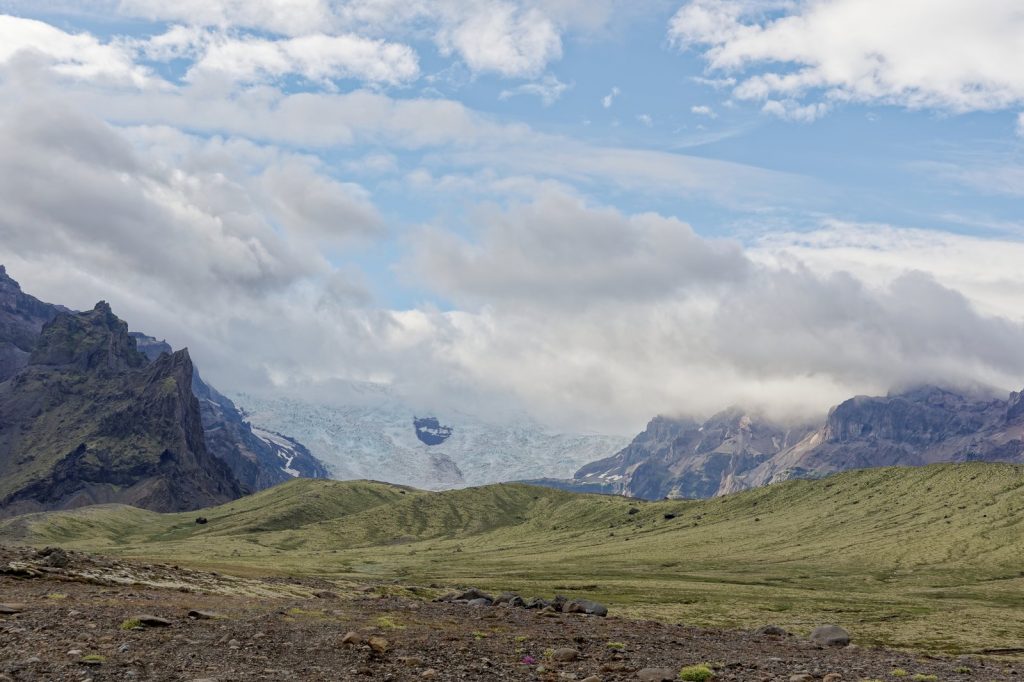
The Reykjanes Ridge is quiet again Saturday evening, but the ground there has already moved. A magnitude 5 earthquake hit at 12:34 UTC. It was shallow, only 10 kilometers down.
That matters. Shallow quakes shake harder.
People on the ridge felt that difference. The U.S. Geological Survey detected the event through its global network. No tsunami warning went out.
That is expected for a quake of this size in this location. The magnitude 5 range is moderate.
It can cause minor to moderate damage near the epicenter. No reports of damage or casualties were immediately available Saturday. That may change.
It also may not. The area is remote, a divergent tectonic boundary between the North American and Eurasian plates, extending southwest from Iceland into the Atlantic Ocean. Damage reports from such places often take time to surface — or never come at all.
What comes next is the aftershocks. Seismologists say they are common after a quake this size.
They may continue for days or weeks. People in the affected area are generally advised to be prepared for further shaking. That is the practical consequence.
The ground does not settle quickly. This event adds to a long seismic record.
The USGS data shows at least 45 earthquakes of magnitude 5.0 or greater have been recorded within about 300 kilometers over the past two decades. That is a steady pattern of moderate seismic release. Not a surprise.
Not a spike. The strongest during that period was a magnitude 5.9 event in 2019. Saturday’s quake was weaker than that.
It fits the region’s normal behavior. The Reykjanes Ridge is seismically active by nature.
It is a spreading center, where two tectonic plates pull apart. That motion builds stress. Stress releases as earthquakes.
Saturday’s event was one such release. It does not signal a larger event is coming.
It does not rule one out either. The pattern is what it is. For the people who live near the ridge — mostly in Iceland, which sits at the northern end of this boundary — this is familiar.
Icelanders have lived with earthquakes and volcanoes for centuries. A magnitude 5 quake is not a crisis. It is a reminder.
The ground moves. It always has.
The USGS monitors this continuously. Its real-time global seismic network keeps watch. That is why the detection was fast.
That is why the report came out when it did. There is no drama here.
No evacuations announced. No state of emergency declared. Just a moderate earthquake on a seismically active ridge, recorded by a federal agency, filed into the data.
The aftershocks will come. They will be smaller, probably. They will be felt, possibly.
Then the ridge will go quiet again until the next release of stress. The Reykjanes Ridge is not a place where earthquakes are rare.
They are the norm. Saturday’s event was one of at least 45 of magnitude 5.0 or greater in the last two decades. That is the context.
That is the consequence. The ridge keeps spreading.
The plates keep pulling apart. The ground keeps shaking. Nothing about Saturday changed that.
Nothing about Saturday stopped it.




