
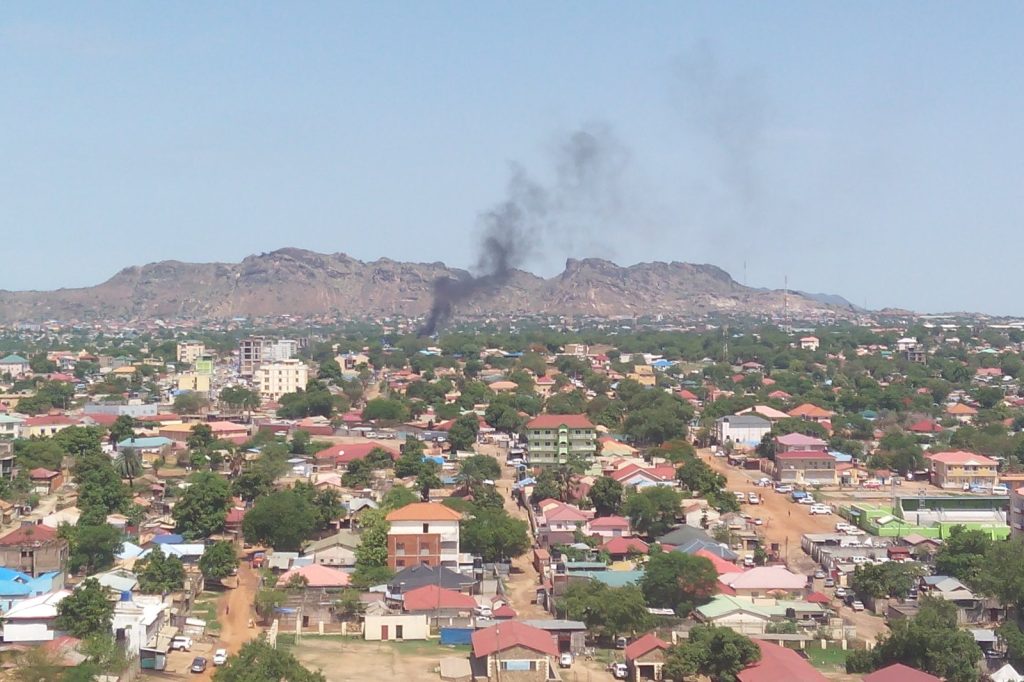
The government of South Sudan has ordered a two‑week suspension of all school activities across the nation in response to an extreme heat wave forecast to peak at 108 °F (≈42 °C) on 21 February 2025. Officials say the measure is intended to shield students and school staff from heat‑related illnesses such as exhaustion and stroke.
South Sudan, a land‑locked East African state with a population exceeding 12.7 million as of 2024, experiences a wide range of climatic conditions. Its terrain spans open plains, dry and tropical savannah, and forested highlands, while the central Nile River corridor can amplify temperature spikes. The capital, Juba, is expected to bear the brunt of the upcoming heat, with consistently high temperatures projected throughout the fortnight.
Health authorities have highlighted the urgency of the closure. Dr. Matthew Tut, a senior health specialist based in Juba, emphasized that protecting children’s health is paramount and that preventive steps are essential during such extreme weather.
He warned that heat‑related conditions can be especially severe for young people, underscoring the government’s responsibility to act. In addition to removing students from potentially dangerous environments, the pause in schooling gives officials time to evaluate the heat wave’s impact and to devise longer‑term mitigation strategies. Researchers at the University of Juba, including Dr. John Lumori, note that technology—such as early‑warning systems and temperature monitoring devices—can improve preparedness and reduce health risks.
The school shutdown also tests the resilience of Juba’s broader infrastructure, including health facilities that must remain operational under sustained high temperatures. Authorities are monitoring the situation closely, seeking to balance public safety with the continuity of essential services.
Experts stress that collaborative efforts and investment in research are key to managing future heat events. Dr. Tut called for a joint approach that leverages scientific insight and technological tools to create a safer environment for all South Sudanese citizens. Dr. Lumori added that advancing cutting‑edge heat‑management technologies will be central to the country’s long‑term strategy. While the immediate focus is on protecting children during the school closure, the episode reflects a broader commitment by South Sudan’s leadership to address climate‑driven challenges.
The government’s decisive action demonstrates an awareness of the health threats posed by extreme heat and a willingness to adopt preventive measures. As the nation endures the current heat wave, officials remain hopeful that the combination of temporary school closures, technological monitoring, and ongoing research will mitigate health risks and set a precedent for handling similar events in the future.




