
BERLIN — The asphalt cracked. Trains stopped running. Inside nursing homes and hospitals across Germany, the air was still and hot.
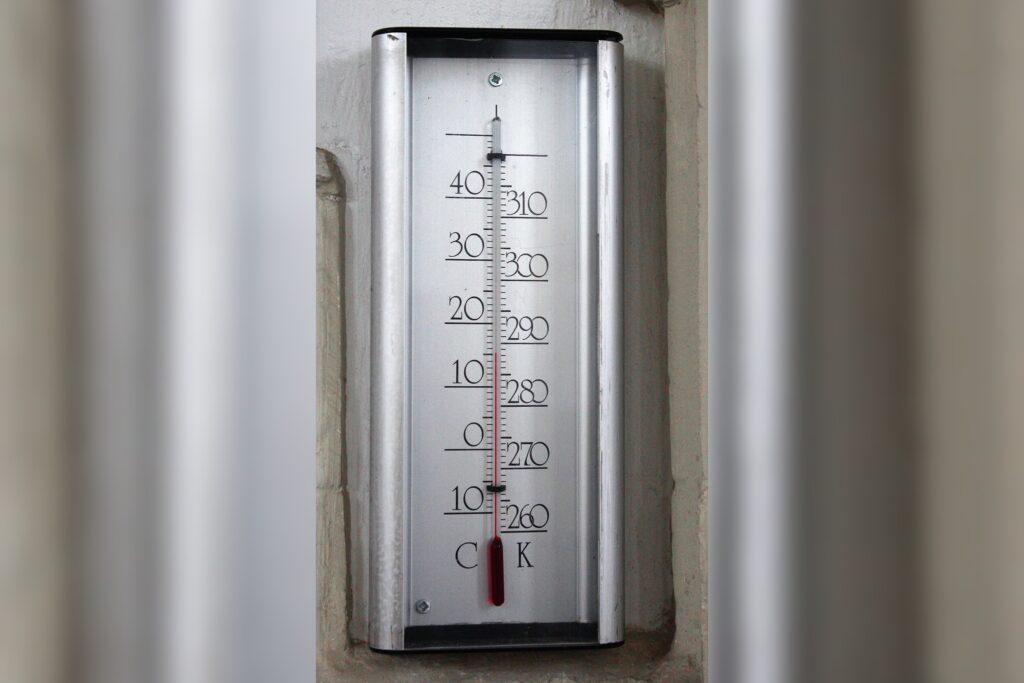
Temperatures hit 40 degrees Celsius this past weekend. It was a record.
And it exposed something Germany does not have: national heat protection rules for retirement homes, nursing homes, or hospitals. Many of those buildings have little or no air conditioning. For the people inside, the heat became life-threatening.
The problem is not new. Experts have been warning for a long time.
Andreas Becker, a climate expert at the German Weather Service, said on Deutschlandfunk Radio that temperatures in Germany are rising steadily. They will keep rising in the coming years. Europe is getting hit hardest by global warming, according to the Federal Environment Agency.
That same agency reported something else. Between 2021 and 2024, about 50 hectares of land were turned into residential, transportation, and commercial areas every single day in Germany. That is 70 soccer fields’ worth of natural areas disappearing daily.
That matters. Sealing soil stops rainwater from seeping into the ground.
When heavy rain comes, the water has nowhere to go. Severe flooding follows. Sealed surfaces also block evaporation.
Without evaporation, cities heat up excessively. The result is dangerously hot urban areas.
The weekend proved it. Trains and trams could not run. Asphalt on roads cracked under the strain.
Infrastructure designed for a cooler climate is failing in the heat. Policymakers now face a question: what can be done to prepare the country for extreme temperatures in the future? Plans for cities already exist.
But implementing them takes time. It is expensive.
Environment Minister Carsten Schneider, from the center-left Social Democratic Party, spoke Monday on public radio. He did not announce new regulations. He did not promise quick fixes.
The plans exist, he said. The cost and the timeline are the obstacles.
On the ground, the situation is immediate. In a retirement home in a Berlin suburb, staff moved residents to the coolest rooms they could find. Portable fans ran constantly.
Cold water was handed out every hour. The building has no central air conditioning. It was built before heat waves were a yearly threat.
Now they are. In a hospital in Cologne, nurses soaked towels in cold water and placed them on patients’ foreheads and necks.
The intensive care unit has air conditioning. The general wards do not. Staff rotated ice packs from a small freezer.
The hospital administrator, speaking on condition of anonymity because she was not authorized to talk to the press, said the situation was unsustainable. She said they have been asking for cooling systems for three years.
Nothing has changed. The heat is not an accident. It is the result of choices made over decades.
Every day, 70 soccer fields of green space become concrete or asphalt. Every day, the city gets hotter. Every day, the people inside those buildings suffer.
The federal government has no national heat protection regulations. The states have no uniform rules.
The cities have plans on paper. But the asphalt is already cracking. The trains are already stopped.
The old and the sick are already struggling to breathe. Schneider’s office said Monday that the ministry is reviewing options.
No timeline was given. No funding was announced. The heat wave is over.
The next one will come. The question is whether anything will be ready by then.
{“@context”: “https://schema.org”, “@type”: “NewsArticle”, “headline”: “Germany’s Record Heat Wave Reveals Lack of National Heat Protection Rules”, “description”: “BERLIN — The asphalt cracked. Trains stopped running. Inside nursing homes and hospitals across Germany, the air was still and hot. Temperatures hit 40 degrees…”, “datePublished”: “2026-06-30T08:36:00+00:00T09:30:00+00:00”, “author”: {“@type”: “Person”, “name”: “Beatrice Bianchi”}, “publisher”: {“@type”: “Organization”, “name”: “InfoPulse Today”, “url”: “https://newsfeed.infopulsetoday.com/”}}




