
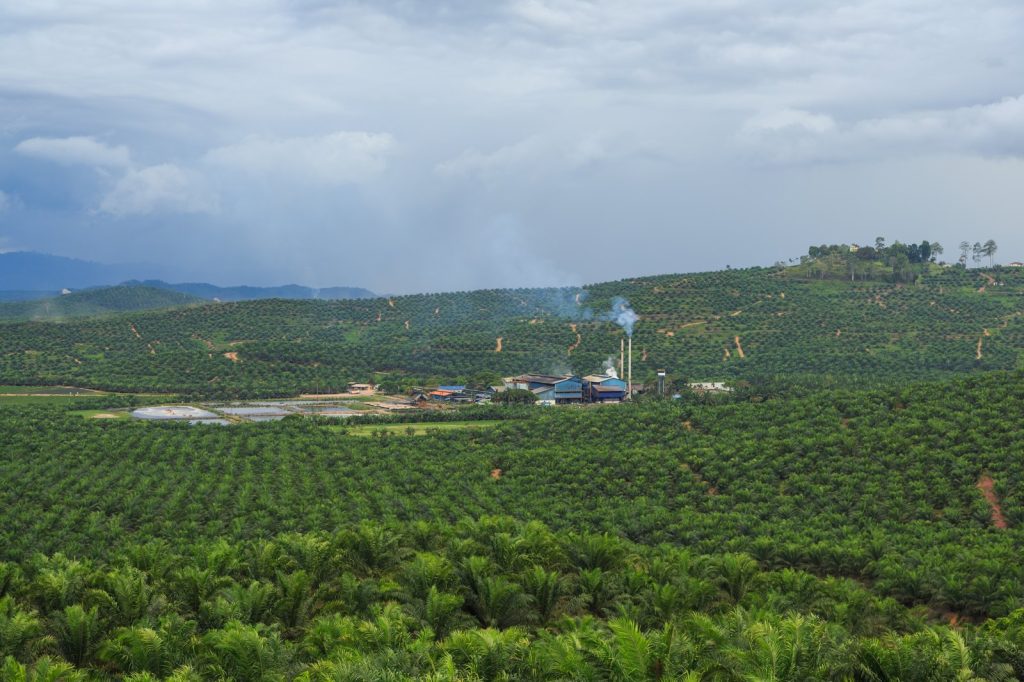
The industrial zones of Southeast Asia are once again filled with the scent of cooking oil and fermenting sugar cane, a tangible sign of the region’s renewed bet on biofuels. Yet the question looming by nightfall is whether this latest push can endure. Interest in developing biofuels has historically ebbed and flowed, driven largely by global energy trends, according to energy writer Felicity Bradstock.
In 2024, the combination of the post-COVID-19 recovery, the international call for a green transition, and an increased focus on decarbonizing hard-to-abate industries sparked a surge in biofuel development. Biofuels were then expected to play a major role in the global green transition, particularly by helping to decarbonize sectors such as aviation that cannot simply shift to renewable electricity.
That momentum, however, waned in 2025 as several companies backtracked on their green energy targets. The previous boom in biofuels fizzled when oil prices dropped and corporate green targets softened. This time, the driver is different: Middle East supply remains far from normal, and Asia is looking for alternatives it can produce at home. The question now is whether the region can scale up production fast enough — and whether the environmental goals that sparked this latest boom will survive the next oil price drop.
If the Middle East supply picture stays uncertain, Asia may have no choice but to keep cooking.
The Production Process and Feedstocks
Biofuels are produced through several technical processes. One common method involves heating biomass feedstocks — plant materials — rapidly at high temperatures between 500°C and 700°C in an oxygen-free environment. Other production routes include gasification, hydrothermal liquefaction, and low-temperature deconstruction.
Among the most widely used biofuels are ethanol and biodiesel, although alternative feedstocks can be used to produce other types. Typical feedstocks include sugar cane, corn, and soybeans, most of which yield low-carbon fuel.
These crops are abundant in Southeast Asia, giving the region a potential advantage in producing its own energy supply. The renewed focus on these homegrown resources comes as global energy markets face persistent uncertainty, particularly from the Middle East.
Southeast Asia’s Strategic Position
Southeast Asia is the geographical region stretching south of China, east of the Indian subcontinent, and northwest of Australia, bordered by the Pacific and Indian Oceans. It encompasses both mainland territories and a vast maritime zone, with parts of Indonesia and Timor-Leste extending into the Southern Hemisphere.
The region sits at the meeting point of major geological plates, making it prone to earthquakes and volcanic activity, particularly in Indonesia and the Philippines. Its position along key trade routes has long shaped its history, drawing influence from Indian, Chinese, Muslim, and later European colonial powers. Today, Southeast Asia consists of eleven countries united under the Association of Southeast Asian Nations, an organization formed to promote economic, political, and cultural cooperation.
Its diversity in ethnicity, language, and tradition reflects centuries of layered cultural exchange. As a crossroads of geography and history, the region’s strategic location and resource base now factor into global energy shifts — including the renewed focus on biofuels.
Whether this latest bet on biofuels holds will depend on the interplay of global supply dynamics, regional production capacity, and the staying power of green energy targets. For now, the processing plants are running, and the scent of sugar cane and cooking oil lingers over the industrial zones of Southeast Asia.
{“@context”: “https://schema.org”, “@type”: “NewsArticle”, “headline”: “Southeast Asia’s biofuel push faces test of sustainability”, “description”: “BANGKOK, July 4 — The industrial zones of Southeast Asia are once again filled with the scent of cooking oil and fermenting sugar cane, a…”, “datePublished”: “2026-07-04T09:30:00+00:00”, “author”: {“@type”: “Person”, “name”: “Dmitry Volkov”}, “publisher”: {“@type”: “Organization”, “name”: “InfoPulse Today”, “url”: “https://newsfeed.infopulsetoday.com/”}}




