
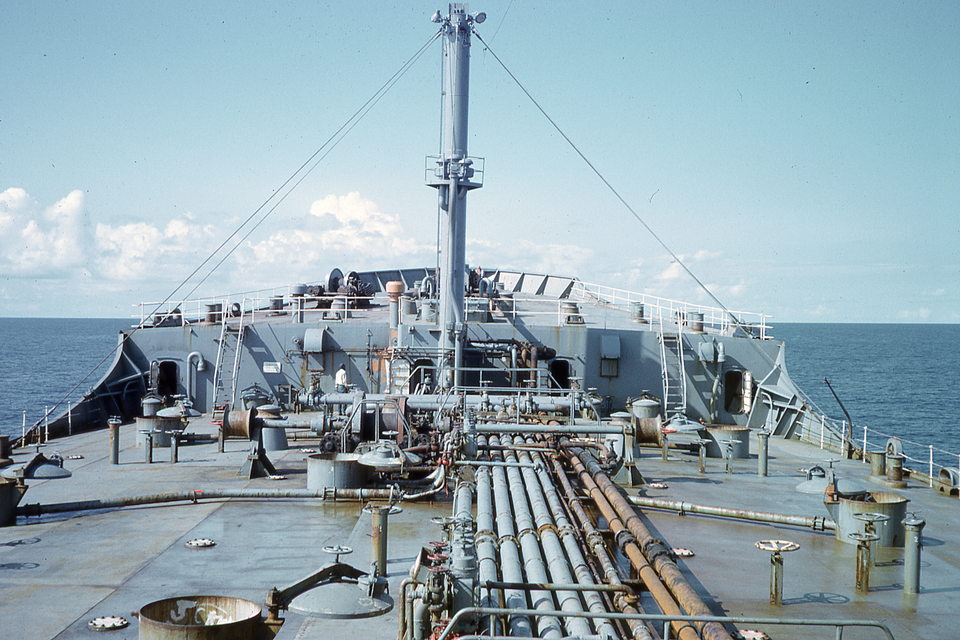
TEHRAN, July 20 — A narrow waterway barely 33 kilometres wide at its narrowest point carries roughly one-fifth of the world’s oil each day. The Strait of Hormuz, linking the Persian Gulf to the Gulf of Oman and the Indian Ocean, is one of the most strategically important chokepoints on the planet. The U.S. Energy Information Administration reports that about 20 million barrels of crude oil and refined petroleum products pass through the Strait daily.
That figure represents roughly 20% of global petroleum consumption. The Strait also handles about one-third of the world’s liquefied natural gas trade.
For context, that volume of energy fuels economies across Asia, Europe, and North America.
A Narrow Passage, A Global Lifeline
The waterway has two-mile-wide shipping lanes in each direction. That leaves little margin for disruption. The key littoral states along its shores are Iran, Oman, and the United Arab Emirates.
Their geographic position gives each country a direct stake in the Strait’s security and stability. Iran, in particular, has repeatedly threatened to close the Strait in response to sanctions or military pressure.
The most notable instances occurred during the Iran–Iraq War, which ran from 1980 to 1988, and after the United States withdrew from the Joint Comprehensive Plan of Action in 2018. These are not empty threats. The Strait’s geography makes it vulnerable to mining, anti-ship missiles, and swarms of small boats.
A determined adversary could cause significant disruption.
Economic Shockwaves
The International Energy Agency estimates that a prolonged blockage of the Strait could remove 5-6% of global oil supply. Any closure would immediately spike oil prices. The impact would not be evenly distributed.
Southeast Asian nations are particularly exposed. ASEAN countries hold an average of 30 days of imports in strategic petroleum reserves.
OECD countries, by contrast, maintain 90 days or more. That gap means a sustained disruption would hit Southeast Asia harder and faster. The region’s economies would feel the pressure within weeks.
Security and Stability
The U.S. Fifth Fleet, based in Bahrain, regularly patrols the area to ensure freedom of navigation. This presence provides a measure of reassurance. The current U.S. administration, led by President Donald Trump with Vice President JD Vance and Secretary of State Marco Rubio, has maintained a firm stance on keeping the waterway open.
The encouraging part is that despite decades of tension, the Strait has not been closed for any extended period. The security arrangements have held.
Early findings from analysts suggest that the combination of military patrols, diplomatic engagement, and the global economic stake in open passage has created a system that, while not perfect, has so far succeeded.




