
Historical Precedents and Strategic Vulnerabilities
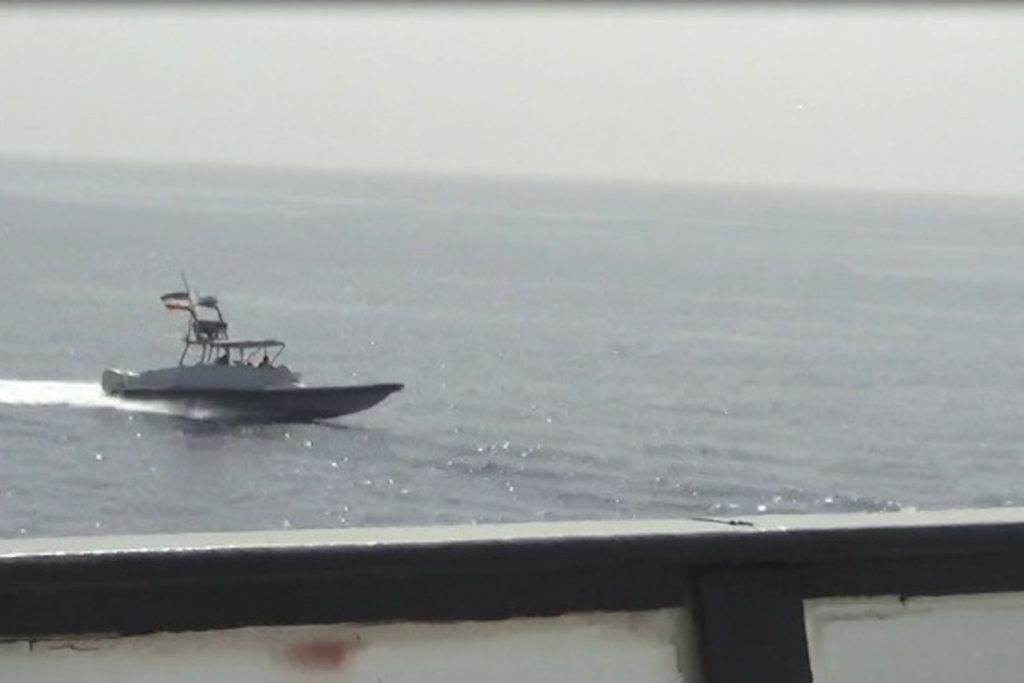
The strait’s vulnerability is not hypothetical. During the 2019 attacks on Saudi Aramco facilities, oil prices surged 15% in a single day. Iran has threatened to close the waterway in past conflicts, including in 2012 and 2019, and reports have documented preparations to mine the passage. Despite these periodic threats, the strait has never been closed for an extended period during Middle Eastern conflicts. Its geography works against any military force: at its narrowest point, just 33 kilometers wide, the channel is susceptible to mines, small boats, and anti-ship missiles. The U.S. Fifth Fleet, based in Bahrain, is responsible for ensuring freedom of navigation. In 2024, the United States and its allies conducted 12 naval exercises in the region, underscoring the strategic priority placed on keeping the passage open. The strait provides the only sea access from the Persian Gulf for several Gulf countries, making it indispensable for their energy exports. Its name has uncertain origins—one theory traces it to a Persian phrase meaning “Place of Dates,” another links it to the Zoroastrian deity Ahura Mazda, also known as Hormoz, and a third suggests it derives from the Greek word for “cove” or “bay.” The entrance to the Persian Gulf was described in the Periplus of the Erythraean Sea, a 1st-century mariner’s guide, highlighting the waterway’s centuries-old role as a vital trade route.
The Human Cost: Medical Supplies and Supply Chains
The crisis extends beyond fuel prices. Oil is a raw material for many medical essentials, including the plastics used in IV bags and syringes, and the transport of chemotherapy drugs that require cold storage. When oil prices spike, the cost of manufacturing and shipping these supplies rises. Hospitals in Pakistan and across the developing world already operate on thin margins, and a sustained price increase could force difficult choices in pharmacy budgets. The IEA’s estimate of 90 days of import coverage provides a buffer, but early findings from past supply disruptions suggest that effects ripple through supply chains faster than official timelines predict. Patients are advised to talk to their doctors if they have concerns about medication availability, though there is no immediate cause for alarm.
Naval Posture and the Diplomatic Path Ahead
The U.S. Fifth Fleet patrols the strait from its base in Bahrain, with a mission to ensure freedom of navigation—a task complicated by any Iranian decision to act on its threats. The 12 naval exercises conducted in 2024 by the U.S. and its allies demonstrate sustained military commitment to keeping the waterway open. However, the strait’s narrow geography limits naval effectiveness. Iran has shown it is willing to use the waterway as leverage, and the Trump administration’s decision to declare the ceasefire “over” has elevated tensions. What happens next depends on diplomacy as much as naval power. The world watches, and markets react. For now, strategic petroleum reserves offer a cushion. But as the 2019 price spike and supply chain disruptions show, a cushion is not a cure. The best approach is to monitor the situation, prepare for contingencies, and rely on ongoing diplomatic and military efforts to prevent a closure that would disrupt flows of oil and liquefied natural gas to Europe and Asia, affecting fuel prices and energy supplies for homes, businesses, and transportation worldwide.




