
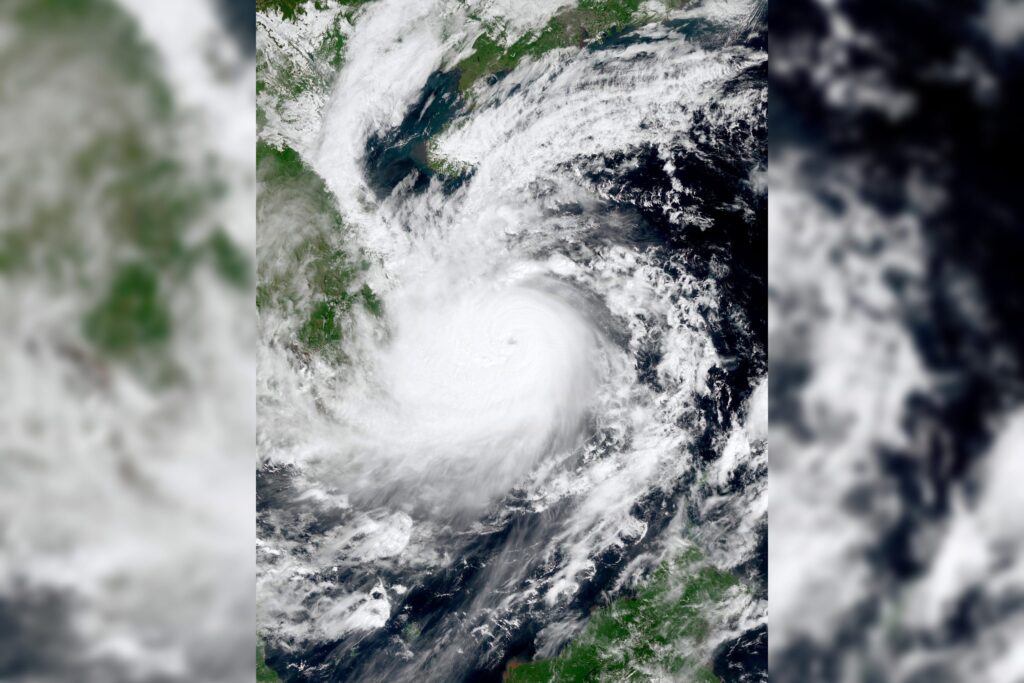
The central Philippines is confronting a disaster of historic scale. In the Visayas region, the province of Cebu—home to millions—has been inundated by freshwater flooding after Typhoon Kalmaegi, locally called Typhoon Tino, unleashed relentless rain.
As of November 7, official counts confirm at least 188 fatalities and 135 individuals still listed as missing. Unlike the typical storm‑surge devastation associated with tropical cyclones, the primary cause of loss this time was the sheer volume of rain that saturated the ground and turned streets into rivers. Entire neighborhoods are now submerged, not by seawater, but by runoff that the terrain could not absorb. Kalmaegi originated from a convective disturbance on October 30, which the Joint Typhoon Warning Center initially classified as a tropical depression.
The system quickly intensified, becoming the twenty‑fifth named storm and the eleventh typhoon of the 2025 Pacific typhoon season. The region’s infrastructure—roads, ports and the power grid—has been severely compromised, halting the movement of food, fuel and essential services.
Power outages have left hospitals reliant on diesel generators, while water pumps remain inoperable. Search‑and‑rescue teams are actively looking for the 135 missing persons, and relief agencies are mobilising assistance. International aid has begun to flow, yet each hour without progress deepens the anguish of families awaiting news.
The devastation underscores a broader vulnerability: a centralized, fossil‑fuel‑dependent electricity network is prone to collapse when a single transmission line fails. Experts cited in the post‑event report argue that investment in renewable, distributed energy—such as solar installations—could keep critical facilities operational when the main grid is down, bolstering energy security and reducing long‑term costs.
While the Philippines regularly faces typhoons, the record‑breaking rainfall associated with Kalmaegi signals a shift in climatic patterns. The event has been linked to the need for sustainable practices and a transition toward cleaner energy sources, emphasizing that adaptation is not merely a political talking point but a matter of survival. Authorities continue to coordinate rescue operations, restore damaged infrastructure and distribute humanitarian aid.
The immediate challenge remains locating the missing and providing relief to those displaced. In the longer term, the disaster serves as a stark reminder that rebuilding efforts must incorporate resilient design and diversified energy solutions to mitigate the impact of future storms.
As Cebu grapples with the aftermath, the death toll and the number of missing stand as a sobering metric of the storm’s severity. The ongoing response will determine whether the province can recover and how it prepares for increasingly extreme weather events in a changing climate.




