
Legal Framework and Enforcement
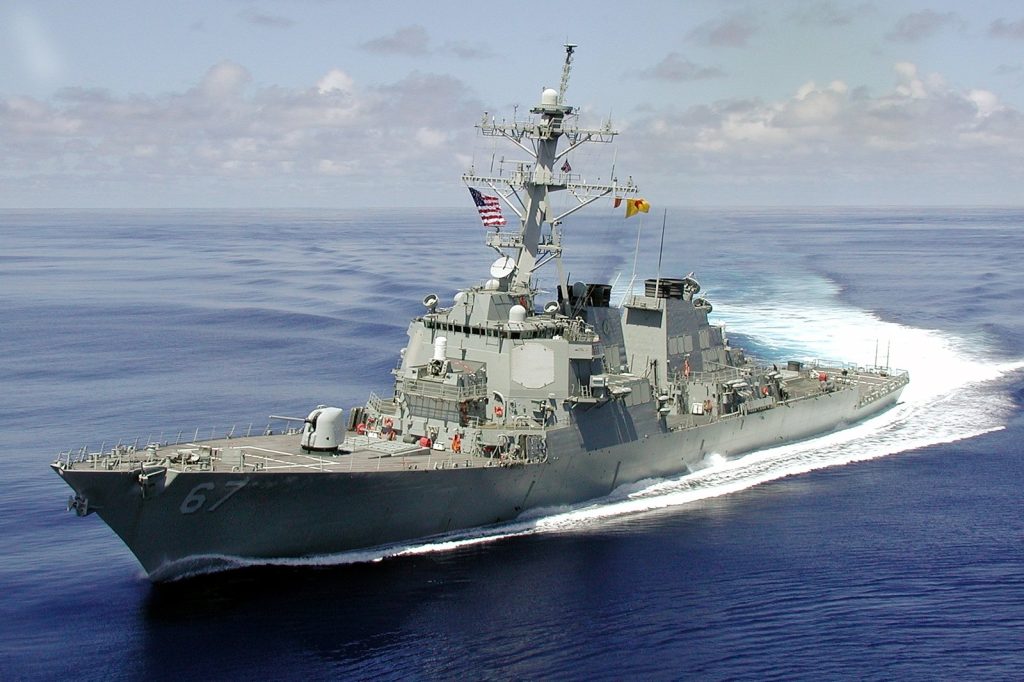
The Fifth Fleet, which operates with about 30 ships and 15,000 personnel, would be the principal enforcement arm. Its vessels would board cargo ships, verify manifests, and apply the 20 percent levy. The Treasury Department would handle collection, while the Coast Guard could augment boarding teams with its specialized inspection capabilities. This is not a novel idea in U.S. history: a similar toll was proposed on the Suez Canal during the 1956 Suez Crisis.
The blockade would apply to all ships carrying oil, liquefied natural gas, and other goods through the strait. The practical upshot for ordinary readers is that any disruption to this chokepoint would ripple through global energy markets and supply chains. The question now is how the international community will respond to a U.S.-enforced toll on commercial shipping in one of the world’s most critical maritime routes.
Strait of Hormuz: A Global Chokepoint
The Strait of Hormuz is a narrow waterway linking the Persian Gulf to the Gulf of Oman, forming the only sea passage out of the Persian Gulf for the oil and gas exports of several nations. It sits between Iran on its northern shore and Oman’s Musandam Peninsula on the south; a portion of the southwestern coast also falls within the United Arab Emirates. For centuries, control of this route has carried military and economic weight.
Despite periodic tensions in the Middle East, the strait had never been closed for an extended period before the Iran war of 2026. Iran had occasionally threatened to shut the waterway, and its military had prepared to mine the area, but those threats were not carried out at length. Throughout the 21st century, the strait’s importance only grew as global demand for liquefied natural gas and crude oil increased. A large share of the world’s seaborne oil trade and a significant portion of its liquefied natural gas shipments transit these waters each year. The route is especially vital for energy supplies bound for Europe and Asia. Several Gulf states — including Qatar, Iraq, Kuwait, Bahrain, and the United Arab Emirates — rely on the strait as their sole maritime outlet. Any disruption can quickly cause severe supply shortages.
The current proposal for a U.S.-enforced blockade and toll would represent a sharp departure from the historical pattern of keeping the strait open during conflicts. It would apply not only to energy cargoes but also to other goods shipped through the waterway, extending the economic reach of the enforcement.
Risks and Retaliation
Iran has already signaled it could retaliate. The Iranian government has said it could mine the strait or use fast-attack boats, tactics it demonstrated in exercises in 2022. The United States, for its part, has already deployed additional naval assets to the region, including the aircraft carrier USS Dwight D. Eisenhower in 2024. The Fifth Fleet’s 30 ships and 15,000 personnel are already in position.
What to watch next: whether Iran follows through on its threats to mine the strait or deploy fast-attack boats, and how the international community responds to a U.S.-enforced toll on commercial shipping. Readers should understand that the Strait of Hormuz is not just a line on a map; it is a lifeline for the global economy, and any change in its status carries far-reaching consequences. How the two sides manage this narrow passage will affect energy prices and supply chains worldwide.
{“@context”: “https://schema.org”, “@type”: “NewsArticle”, “headline”: “U.S. Proposes Strait of Hormuz Oil Transit Levy, Global Markets Brace for Impact”, “description”: “Legal Framework and Enforcement The Fifth Fleet, which operates with about 30 ships and 15,000 personnel, would be the principal enforcement arm. Its vessels would…”, “datePublished”: “2026-07-13T09:30:00+00:00”, “author”: {“@type”: “Person”, “name”: “Beatrice Ferrari”}, “publisher”: {“@type”: “Organization”, “name”: “InfoPulse Today”, “url”: “https://newsfeed.infopulsetoday.com/”}}




