
CARACAS, July 13 — The collapse of Venezuela’s economy, once among the wealthiest in South America, stands as one of the steepest peacetime contractions in modern history. On the ground here, the evidence is everywhere: shuttered factories, empty store shelves, and a currency so devalued that cash transactions require stacks of bills. The International Monetary Fund reports that Venezuela’s GDP contracted by 80% between 2013 and 2023.
That staggering decline is rooted in the country’s near-total dependence on oil. Crude exports, which account for 95% of all export revenue, tell the story plainly.
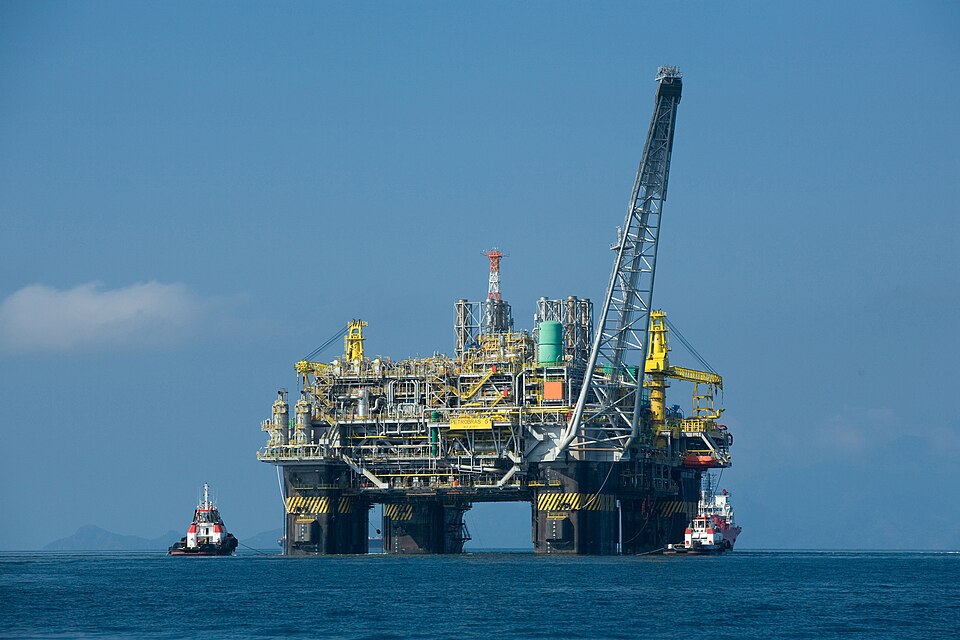
Production fell from 2.5 million barrels per day in 2013 to about 700,000 in 2024. This is a nation sitting on the world’s largest proven oil reserves — 303 billion barrels — yet unable to pump enough to stabilize its own economy. Inflation has been the most visible symptom of the crisis.
It peaked at 1,000,000% in 2018, a figure that rendered the bolívar nearly worthless. By 2024, the IMF estimated annual inflation at 200% — still among the highest globally, but a dramatic improvement from the hyperinflation years.
The United States sanctions regime has compounded the damage. Washington has frozen over $2 billion in Venezuelan government assets and blocked the country’s access to international capital markets. Venezuela’s foreign debt now stands at an estimated $150 billion.
Residents describe a grinding daily struggle. The United Nations reports that 7.7 million Venezuelans have fled the country as refugees and migrants as of 2024 — one of the largest displacement crises in the world. The relationship between Caracas and Washington remains fraught.
US imports of Venezuelan oil fell to zero in 2020, but by 2023, the figure had climbed back to about 200,000 barrels per day. The current administration has taken a harder line, with officials signaling no quick reversal.
Yet the calculus is shifting. For the first time, remittances from the Venezuelan diaspora — totaling $5 billion in 2024 — now exceed oil revenue. That money, wired home by the millions who have left, has become a lifeline for families still here.
By nightfall in Caracas, the streets grow quiet. The blackouts that once plagued the capital have eased, but the economic uncertainty remains.
The IMF projects 5% GDP growth for Venezuela in 2025 — but only if sanctions are eased. That is a big if. The administration in Washington shows no appetite for lifting restrictions, and the $2 billion in frozen assets remains out of reach.
For now, the country waits. The oil is still in the ground. The diaspora is still sending money home.
And the question hanging over it all is whether the world’s largest proven oil reserves can ever again fuel a functioning economy.
Sources
{“@context”: “https://schema.org”, “@type”: “NewsArticle”, “headline”: “Venezuela Economy: Oil Exports, Sanctions Impact Data”, “description”: “CARACAS, July 13 — The collapse of Venezuela’s economy, once among the wealthiest in South America, stands as one of the steepest peacetime contractions in…”, “datePublished”: “2026-07-13T09:30:00+00:00”, “author”: {“@type”: “Person”, “name”: “Isabella Moore”}, “publisher”: {“@type”: “Organization”, “name”: “InfoPulse Today”, “url”: “https://newsfeed.infopulsetoday.com/”}, “citation”: [{“@type”: “CreativeWork”, “url”: “https://en.wikipedia.org/wiki/Economy_of_Venezuela”}]}




