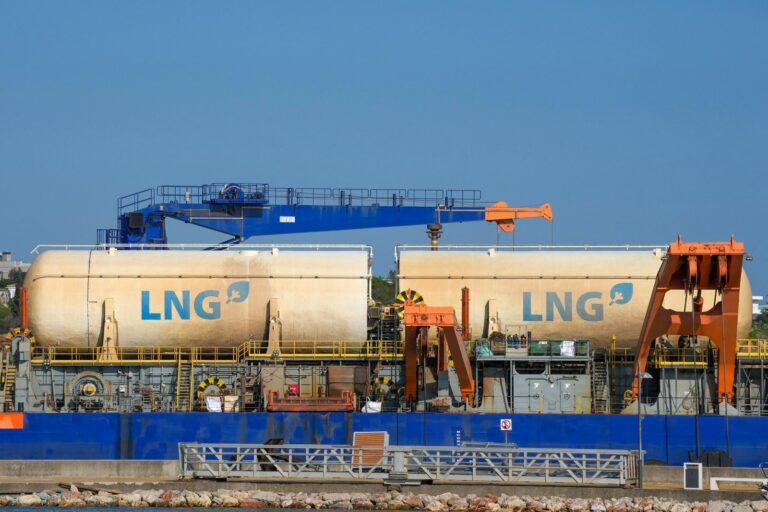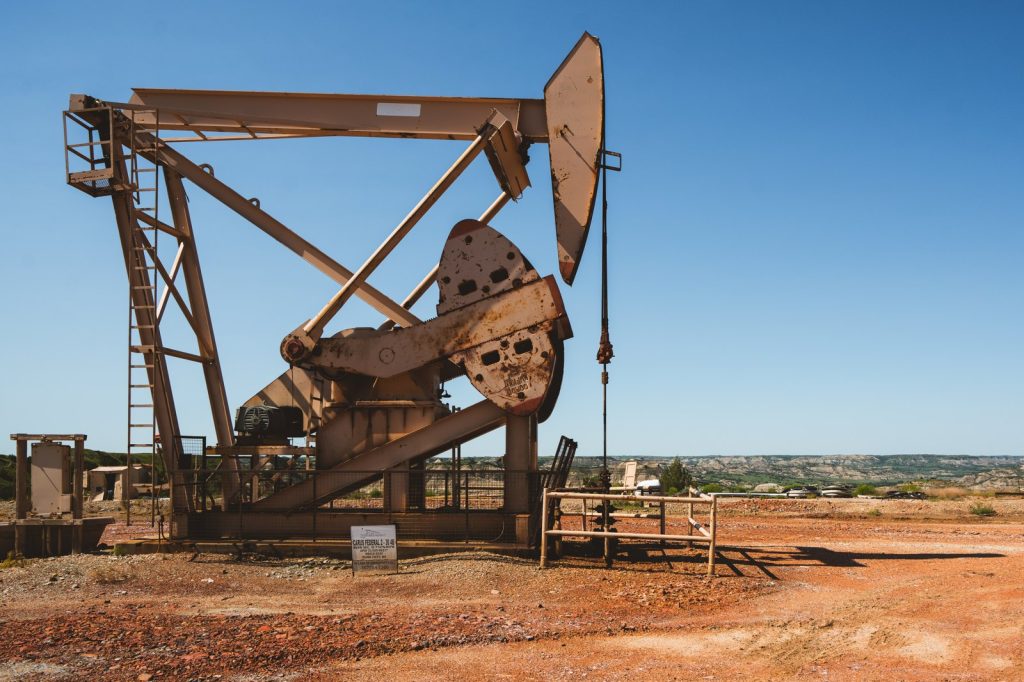
The mechanics here are almost absurdly simple: a state that funds itself with one commodity inherits that commodity’s price chart. Venezuela, experts told the Council on Foreign Relations, is the archetype of a failed petrostate, a country where oil still dominates the national fortune more than a century after it was first struck. Follow the money and the collapse reads less like an accident of geology than a ledger of political choices.
What the numbers show
Oil exports have bankrolled roughly two-thirds of the government’s budget in recent years, with estimates for 2024 putting the share slightly lower, at 58 percent. When crude crashed from above $100 a barrel in 2014 to under $30 by early 2016, the country spiraled. Venezuela’s economy lost roughly three-quarters of its GDP from 2014 through 2021, then grew 5 percent in 2023, with an official forecast of 8 percent for 2024. Inflation peaked just above 130,000 percent in 2018 and still ran at 190 percent in 2023, per the central bank. The debt pile is estimated at $150 billion or more. Half of Venezuela’s 28 million residents lived in poverty as of a November 2022 survey, an improvement on 65 percent the year before, and close to eight million Venezuelans have left the country since 2014, though the foreign ministry says more than three hundred thousand have returned since September 2020.
The counterfactual
The catch is what the production numbers say about cause. A 2024 study in the journal Resources Policy, by economists Henry Aray and David Vera, runs a synthetic control analysis on Venezuelan oil output from the start of Hugo Chavez’s presidency in 1999, building a weighted comparison case from similar economies. The verdict: the “synthetic Venezuela” outperforms the real one, with the gap widening markedly from the late 2000s, and actual production running about 1 million barrels per day below the counterfactual on average between 1999 and 2021. The authors are explicit that the collapse was not driven by world markets or declining reserves; mismanagement and delayed investment in a capital-intensive industry did the work. The findings, they note, survive additional predictors and a battery of placebo tests.
The petrostate trap
The deeper diagnosis is structural. A petrostate, by the CFR definition, is one where revenue leans hard on oil and gas exports, power concentrates in an elite, institutions stay weak and corruption spreads. Such states are prone to what economists call Dutch disease, a phrase from the 1970s, when the Netherlands found natural gas under the North Sea: resource inflows strengthen the currency, choke agriculture and manufacturing, and leave the budget hostage to price swings. Timing compounds it. “Most petrostates became dependent on petroleum while, or immediately after, they were establishing a democracy, state institutions, an independent civil service and private sector, and rule of law,” says Terry Lynn Karl, the Stanford political scientist who wrote The Paradox of Plenty. Venezuela clocked in early: Royal Dutch Shell’s 1922 blowout at La Rosa, in the Maracaibo Basin, flowed at a then-astonishing one hundred thousand barrels per day, and over one hundred foreign companies produced oil there under the dictatorship of Juan Vicente Gomez.
The recent record keeps the shape intact. Washington eased sanctions on Venezuela’s oil and gas sector in 2023, exports rose some 12 percent that year, and sanctions were reimposed in 2024 after Caracas failed to meet conditions for a fair election. Output, starved of investment and maintenance, sits at its lowest level in decades, which is precisely the gap the synthetic-control study measures.
Sources
- A tale of oil production collapse – ScienceDirect
- Venezuela: The Rise and Fall of a Petrostate | Council on Foreign Relations