MELBOURNE, October 28, 2026 — Rio Tinto faces a competitive landscape for leadership as top executives depart for public sector roles that offer stability and influence.
A Corporate Giant in Flux
Rio Tinto is a dual-listed multinational mining company headquartered in London and Melbourne. The group operates across three major stock exchanges, including the London Stock Exchange, the Australian Securities Exchange, and the New York Stock Exchange.
The company was founded in 1873 after investors purchased a mine complex in Huelva, Spain. This acquisition came following a period where Spanish mining operations were inefficient, leading the government to sell the mines at a price determined to be well below actual value.
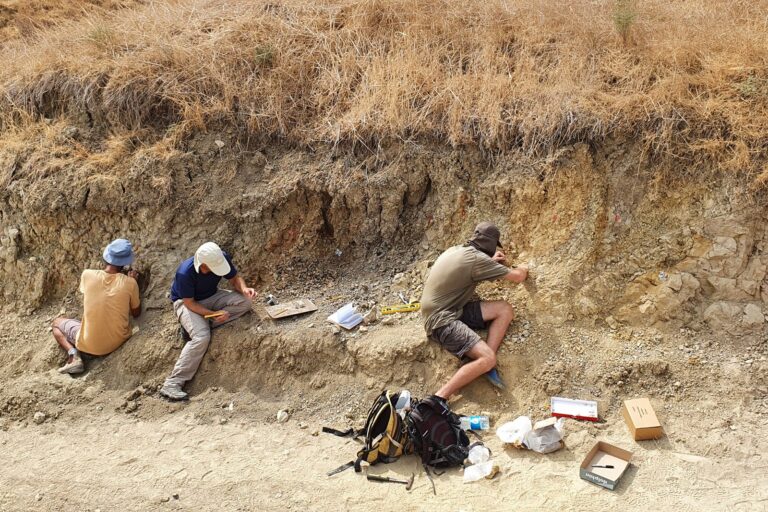
Since antiquity, the site along the Río Tinto has been mined for copper, silver, gold and other minerals. Around 3000 BC, Iberians and Tartessians began mining the site, followed by the Phoenicians, Greeks, Romans, Visigoths and Moors.
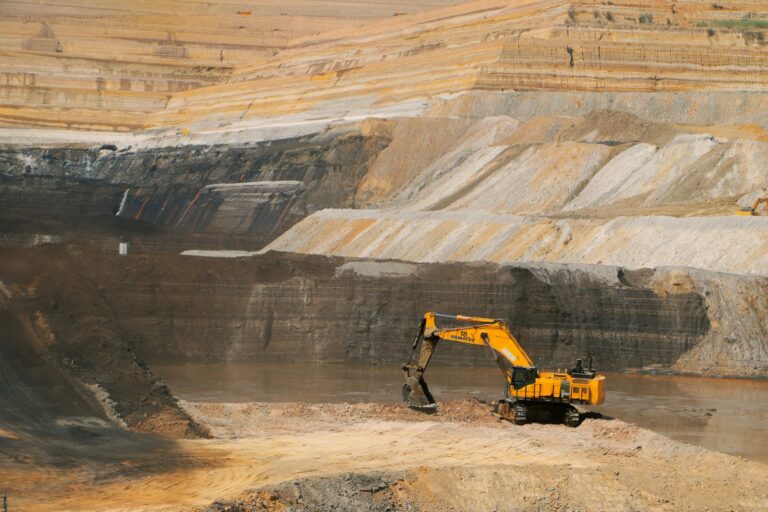
Rio Tinto is a major producer of copper, iron ore, aluminium, and lithium. The company has grown through a long series of mergers and acquisitions and is today a major producer of commodities such as these materials.
Shifting Priorities in Beijing
In 2026, Rio Tinto signed a long-term iron ore supply agreement with China’s state-owned China Mineral Resources Group. Negotiations with the state buyer have also proved difficult for the group’s competitors.
According to Wood Mackenzie estimates, CMRG negotiates more than half of China’s annual iron ore imports. The standoff between Rio Tinto and BHP Group lasted several months and ended with a one-year agreement valid until June 2027.
CMRG was established in 2022 to strengthen China’s bargaining position with major mining companies by centralizing iron ore purchases. In August 2026, China Mineral Resources Group ordered some steel mills to suspend talks with Rio Tinto on supplies.
This move increased pressure on the mining company as it navigates a landscape where CMRG is increasingly using its leverage to secure better terms for Chinese steelmakers by restricting purchases from major iron ore producers.
The Public Sector Pull
Former Rio Tinto Australia CEO Kellie Parker was appointed as Australia’s inaugural national armaments director. She will lead the newly established Defence Delivery Agency, which launches in July 2027.
The Australian government is increasingly recruiting talent from the minerals and resources sector for high-level roles. This trend represents a shift where experienced leaders move from corporate boards to public service agencies.
It’s a throwback to the days of the powerful Defence Materiel Organisation that previously employed Australia’s once best-paid bureaucrat, Stephen Gumley. The new agency is charged with responsibility for delivering acquisition and sustainment projects across the Defence estate.
This recruitment pattern highlights how government entities compete directly with private corporations for senior management expertise in complex industrial sectors.
Retention Challenges and Future Strategy
The departure of top executives to public sectors highlights the challenge of retaining talent within the mining industry. Rio Tinto noted that the company has long-standing and successful relationships with its customers in China and declined to discuss the details of commercial negotiations.
Fortescue continues its dialogue with China Mineral Resources Group while warning that restrictions on sales volumes in China could negatively affect its annual financial results. Kumba Iron Ore, a producer affiliated with the Anglo American group, has also signed an agreement covering the period from April this year to March 2027.
Rio Tinto was ranked the world’s 114th-largest public company in the 2020 Forbes Global 2000. It was ranked the world’s 274th largest company in the 2025 Fortune Global 500.
The company has faced criticism by environmental groups as well as the government of Norway for the environmental impacts of its mining activities. Following their purchase of the Río Tinto Mine, the new ownership constructed a number of new processing facilities and innovated new mining techniques.
Boardroom Turnover and Executive Mobility
Rio Tinto has experienced significant leadership turnover as senior executives transition to government roles, reflecting a competitive landscape for mining talent. Former Rio Tinto Australia CEO Kellie Parker was appointed as Australia’s inaugural national armaments director, tasked with leading the newly established Defence Delivery Agency. This recruitment pattern highlights how government entities compete directly with private corporations for senior management expertise in complex industrial sectors. The Albanese government and Defence have turned to Australia’s minerals and resources sector for talent, with Parker’s appointment serving as a notable example of executive mobility between the corporate and public sectors. This trend represents a shift where experienced leaders move from corporate boards to public service agencies, a phenomenon described as a “throwback to the days of the powerful Defence Materiel Organisation.” The establishment of the Defence Delivery Agency, charged with responsibility for delivering acquisition and sustainment projects across the Defence estate, underscores the government’s strategy to leverage private sector experience for public sector objectives.
This executive exodus occurs against a backdrop of broader industry challenges, including fluctuating commodity prices and evolving regulatory environments. The departure of top executives to public sectors highlights the challenge of retaining talent within the mining industry. Rio Tinto noted that the company has long-standing and successful relationships with its customers in China and declined to discuss the details of commercial negotiations. Industry analysts observe that such moves create vacancies at the executive level that require strategic succession planning. The competitive landscape for mining leadership is further complicated by the allure of government positions offering stability and influence, prompting companies like Rio Tinto to reassess retention strategies to maintain operational continuity amid these leadership transitions.
Sources
- Rio Tinto (corporation)
- China’s CMRG and Rio Tinto have signed an iron ore supply agreement – Bloomberg
- Defence recruits former Rio Tinto chief to spearhead military manufacturing push
Photo: U.S. Consulate General Perth (Public domain)