
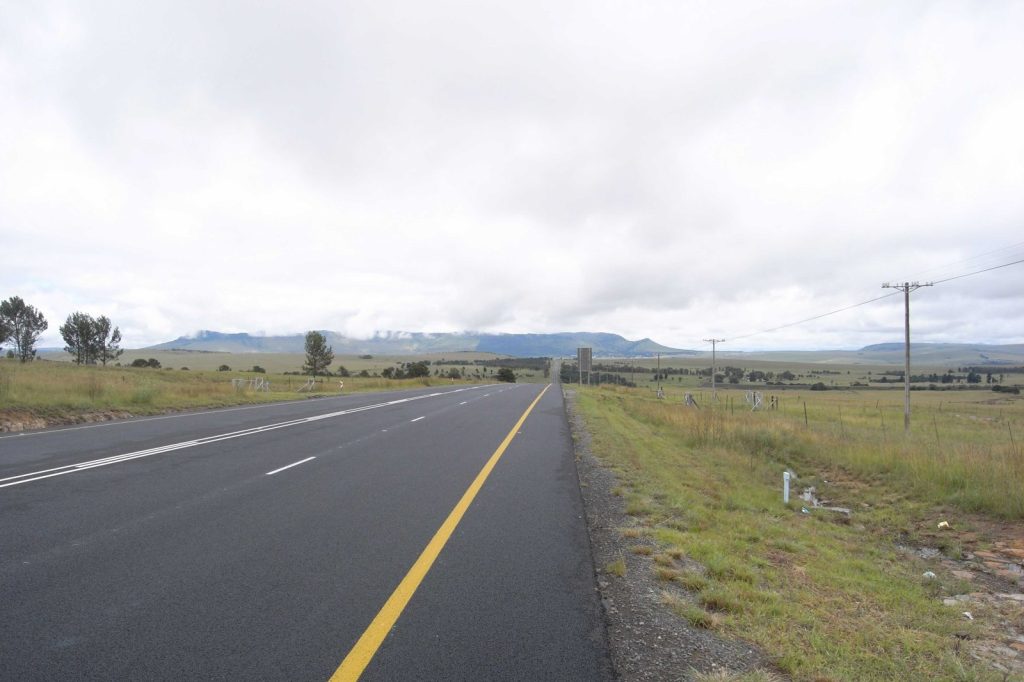
A head‑on crash on Sunday along the N6 highway close to Stutterheim claimed five lives and left sixty people injured. The accident involved a bus carrying Zimbabwean nationals and a oncoming car.
Victims have been distributed among several medical facilities, including Cecilia Makiwane Hospital in Mdantsane, hospitals in Stutterheim and a centre in East London, with some patients reported to be in serious condition. The N6 is a two‑lane route that links the Eastern Cape’s coastal towns with inland provinces and ultimately the border with Zimbabwe. Originally built for lighter traffic, the road now accommodates a mix of heavy trucks, private vehicles and passenger buses that compete for limited space.
Long, narrow stretches lack median barriers, meaning overtaking a slow‑moving vehicle often requires crossing into oncoming traffic. Authorities say the investigation will examine three common factors in major road accidents: the condition of the vehicles involved, possible driver fatigue and the state of the road surface.
These elements have featured repeatedly in inquiries after serious crashes on South Africa’s national highways. The bus was part of a regular cross‑border service that transports Zimbabwean workers, traders and families between the land‑locked nation—home to roughly 16.9 million people—and South Africa’s coastal economic centres. For many, such buses represent the most affordable, and sometimes only, means of travel across the region. Emergency responders arrived quickly, but the nearest trauma centre is about an hour away, underscoring the challenges of providing timely care on remote stretches of highway.
While the speed of the response was praised, officials acknowledge that “fast” is a relative term when distances to specialised facilities are considerable. The Department of Transport has long recognised that fatal collisions on major routes remain persistently high.
The N6’s design, with its limited width and absence of safety barriers, contributes to a hazardous environment where a misjudged overtaking maneuver can have fatal consequences. The recent crash follows previous incidents on the same road, highlighting a pattern of risk that has yet to be fully addressed. In reaction to the Sunday tragedy, Eastern Cape transport authorities have deployed additional traffic‑enforcement teams to the area and issued renewed calls for drivers to exercise caution.
While such reminders are standard after serious accidents, officials concede that caution alone cannot compensate for infrastructure that was not intended for current traffic volumes, nor can it mitigate the effects of driver exhaustion on long journeys. Southern African nations are collectively grappling with road‑safety challenges.
Data from the Department of Transport indicates that fatal crash rates on major highways have not declined as expected, leaving families on both sides of the border to cope with loss and injury. As the investigation proceeds, the focus will remain on establishing the precise cause of the collision. Regardless of the outcome, the incident adds to a growing tally of accidents that underscore the urgent need for comprehensive improvements to road design, vehicle standards and driver‑working conditions along heavily trafficked cross‑border corridors.




