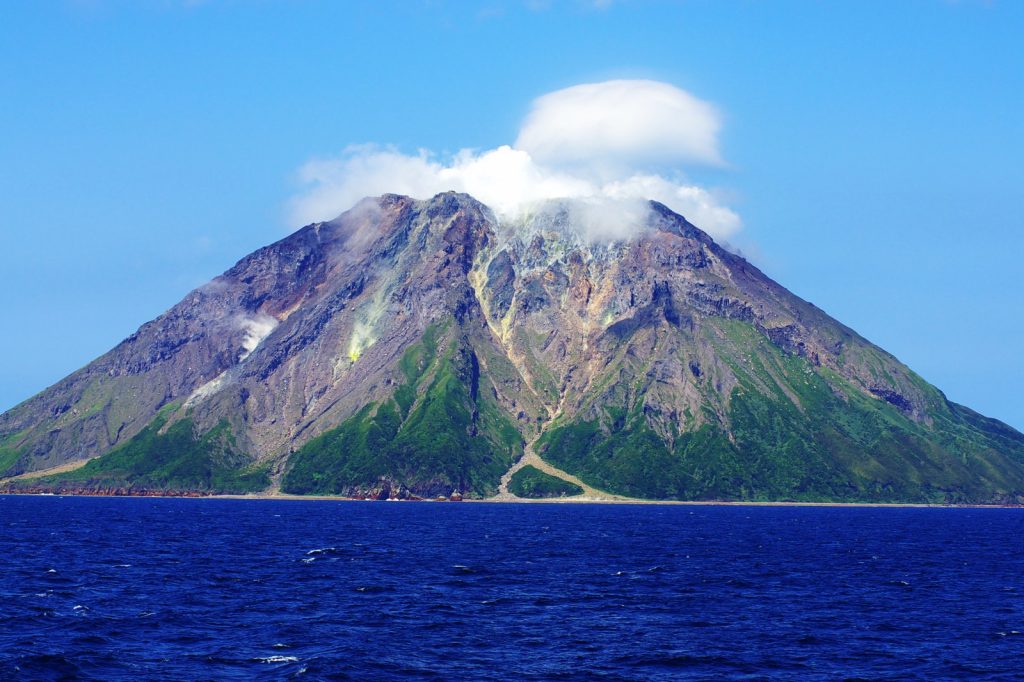
One of Earth’s most powerful supervolcanoes is refilling with fresh magma, according to scientists at Kobe University, who discovered evidence of this accumulation beneath Japan’s Kikai caldera. This discovery offers a rare look at how giant volcanic systems rebuild their magma supplies after massive eruptions, and could provide important clues about the behavior of other supervolcanoes, including Yellowstone in the United States and Toba in Indonesia.
Understanding Supervolcanoes
A supervolcano is defined as a volcano that has had an eruption with a volcanic explosivity index (VEI) of 8, the largest recorded value on the index, according to Wikipedia. This means the volume of deposits for such an eruption is greater than 1,000 cubic kilometers. Supervolcanoes occur when magma in the mantle rises into the crust but is unable to break through it, causing pressure to build in a large and growing magma pool until the crust ruptures. The term “supervolcano” was first used in a volcanic context in 1949, and has since been used to describe eruptions that produce extremely large amounts of ejecta.
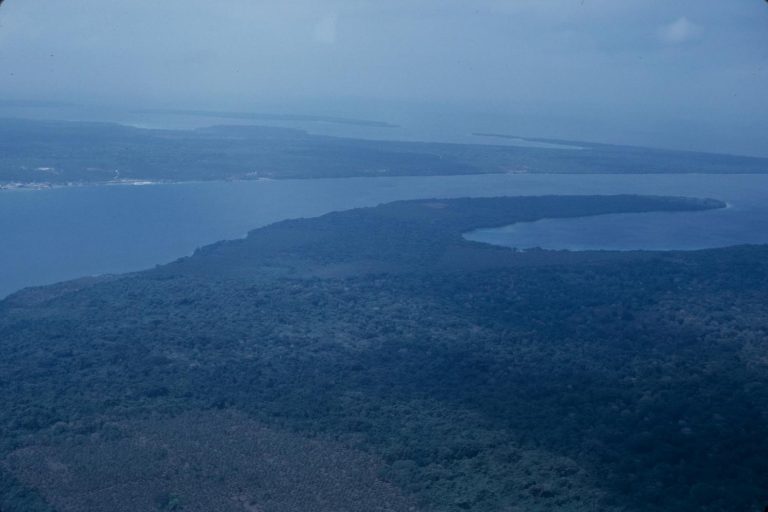
Some volcanic eruptions are so immense that they dramatically reshape the landscape, releasing staggering amounts of magma that can bury large areas beneath a thick layer of volcanic material. When such enormous volumes of magma escape from underground, the rock above the emptied reservoir can collapse, leaving behind a broad, relatively shallow depression known as a caldera. Famous examples of supervolcanoes include Yellowstone, Toba, and Japan’s Kikai caldera, which lies mostly beneath the ocean.
The Science Behind Magma Accumulation
Scientists have an incomplete understanding of how the enormous quantities of magma required for supervolcanic eruptions accumulate underground, making it extremely difficult to anticipate when another major eruption might occur. According to Kobe University geophysicist Nobukazu Seama, “We must understand how such large quantities of magma can accumulate to understand how giant caldera eruptions occur.” The discovery of fresh magma accumulating beneath Kikai caldera offers a rare insight into this process, and could help explain how supervolcanoes like Yellowstone and Toba rebuild their magma supplies.
The underwater location of Kikai caldera might seem like an obstacle to studying the volcano, but it actually gives researchers an important advantage. The surrounding seafloor allows scientists to carry out extensive geological surveys across the volcanic structure, enabling them to detect the accumulation of fresh magma. This discovery was made using underwater seismic surveys, which revealed a vast store of magma that appears to have accumulated since the ancient catastrophe.
Implications For Future Eruption Risks
The discovery of fresh magma accumulating beneath Kikai caldera has significant implications for our understanding of supervolcanic eruptions and the risks associated with them. By studying how magma accumulates in these systems, scientists may be able to improve their ability to recognize warning signs of future eruptions. The Oruanui eruption of New Zealand’s Taupō Volcano, which occurred about 25,600 years ago, was the world’s most recent VEI-8 eruption, and highlights the potential risks associated with supervolcanic activity. Understanding how supervolcanoes like Kikai, Yellowstone, and Toba work is essential for mitigating these risks and preparing for potential future eruptions.
According to scientists, the accumulation of fresh magma beneath Kikai caldera is a significant development, and one that could help us better understand the behavior of supervolcanoes. By continuing to study these systems and the processes that drive them, researchers hope to gain a deeper understanding of the science behind supervolcanic eruptions, and to improve our ability to predict and prepare for these events. As scientists continue to monitor Kikai caldera and other supervolcanoes, they may uncover new insights into the workings of these complex systems, and help us better understand the risks and consequences associated with supervolcanic activity.
The Scale Of The Ancient Eruption
The catastrophic event that formed the Kikai caldera approximately 7,300 years ago stands out as a defining moment in recent geological history. According to the source material, this specific eruption produced the largest known volcanic eruption of the Holocene, a geological epoch that began roughly 11,700 years ago and continues to the present day.
To grasp the sheer volume of material released during such an immense eruption, the source material provides a striking comparison for modern readers. The amount of magma released by a supervolcanic event of this scale is described as staggering, sufficient to bury all of New York City’s Central Park beneath a layer of volcanic material roughly 12 kilometers, or 7.5 miles, thick. This visualization underscores the dramatic landscape reshaping that accompanies these rare and powerful geological events, where the sheer quantity of ejecta can fundamentally alter the physical environment of vast regions.
Global Consequences of Supervolcanic Eruptions
Supervolcanic eruptions are not only catastrophic on a local scale but also pose profound global threats. According to source material, these massive events can trigger long-lasting climate change, potentially initiating phenomena such as a small ice age. The sheer volume of ash and gases released into the atmosphere can block sunlight, disrupt weather patterns, and lead to widespread cooling.
Beyond climate disruption, supervolcanic eruptions threaten biodiversity by altering habitats and food chains. The source material notes that these eruptions can endanger species with extinction, as sudden environmental changes overwhelm ecosystems unprepared for rapid shifts. For instance, the Toba supereruption approximately 70,000 years ago is hypothesized to have caused a population bottleneck in early humans, though this remains debated. While the Kikai caldera’s ancient eruption did not trigger such global effects, understanding these broader impacts helps contextualize the potential risks posed by active supervolcanoes like Yellowstone and Toba.
Sources
- One of Earthâs most powerful supervolcanoes is refilling with fresh magma
- Supervolcano
- One of Earthâs most powerful supervolcanoes is refilling with fresh magma
Photo: 名古屋太郎 (CC BY-SA 3.0)