CAPE CANAVERAL, November 2, 2026 — The launch pad at Cape Canaveral Space Force Station is preparing for a busy month that spans from small commercial satellites to the next iteration of SpaceX’s massive Starship. While the immediate focus is on the upcoming Cygnus resupply mission, the broader schedule reveals a tight rotation of launches from SpaceX, United Launch Alliance, and Rocket Lab across Florida and California.
The month begins with a small but significant flight from the east coast. Rocket Lab’s Electron rocket is scheduled to launch the iQPS mission, designated as The Sea God Surveys, at 16:41 UTC on November 2, according to Orbital Radar tracking data. This mission, also known as iQPS Launch 9, is listed as go for launch and is bound for low Earth orbit. The flight follows a busy end to October, which saw SpaceX deploy a batch of Starlink satellites from Vandenberg on October 31 and the Indian Space Research Organisation launch the IRNSS-1L satellite on October 30.
A Crowded Orbit and Quiet Weather
As these new satellites join the constellation, the environment they inhabit is becoming increasingly dense. Orbital Radar’s live catalogue lists 31,932 objects, including space debris, in its database as of November 2. This figure highlights the complexity of space situational awareness, where operators must constantly monitor the positions of active spacecraft and inert debris.
On this specific day, the space weather conditions are favorable for operations. The Kp index, which measures global geomagnetic disturbance, stands at 0, indicating a quiet magnetic environment. According to Orbital Radar, the risk indicators for low Earth orbit, geostationary orbit, and the International Space Station are all green. However, operators remain vigilant regarding close approaches. Tracking data lists 20 active close approaches on November 2, including encounters between PROBA-3 components and TIANHUI 2 satellites, with minimum separations of approximately 1.50 to 1.55 kilometers. While these distances are not inherently dangerous, they require monitoring to assess orbital uncertainty and relative velocity.
The Falcon 9 Workhorse and Defense Missions
The center of gravity for the month’s activity shifts to SpaceX’s Falcon 9, which continues to serve as the primary vehicle for both commercial and government payloads. The first major flight of the month is USSF-432, a U.S. Space Force mission scheduled for November 3 at 01:28 UTC from Vandenberg Space Force Base in California. This mission is marked as confirmed by schedule trackers, with a livestream available through Space Affairs.
Following this, SpaceX has a series of Starlink launches and additional defense missions planned. Starlink 15-21 is targeted for November 6 at 02:21 UTC, also from Vandenberg. A second defense mission, labeled R-5, is scheduled for November 10 at 03:03 UTC. The high frequency of these launches in a short span underscores the operational cadence that defines modern spaceflight. For viewers in the United States, these Vandenberg launches typically occur during the evening hours on the West Coast, offering a distinctive viewing angle against the Pacific horizon.
The reliability of these missions is underpinned by the extensive reuse of Falcon 9 boosters. Recent data indicates that individual boosters are flying for record numbers of times, with one booster reaching its 36th flight. This level of reusability significantly reduces the cost per launch and allows SpaceX to maintain a dense schedule without the bottleneck of manufacturing new first stages for every mission.
Starship’s Undated Next Step
Amidst the routine Falcon 9 flights, the most anticipated event remains undated: Starship Flight 15. As of the latest updates, SpaceX has not officially announced a launch date for this mission. According to Space Launch Schedule, the dates in circulation are based on statements from Elon Musk and FAA planning documents, rather than a confirmed mission page.
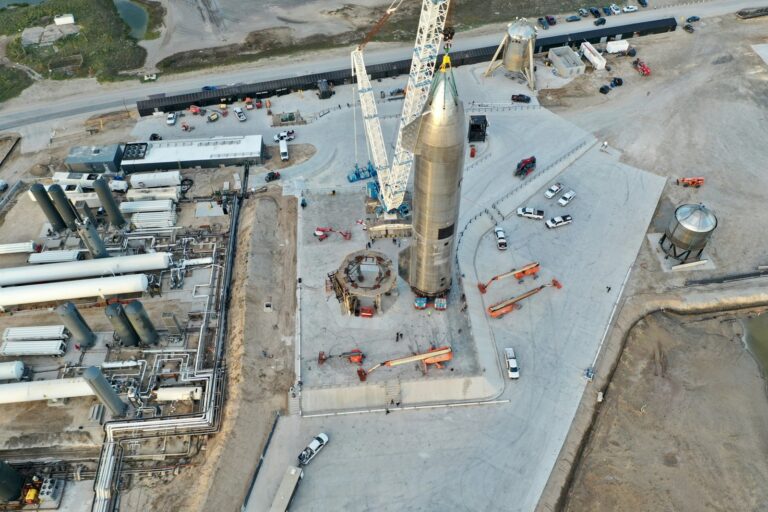
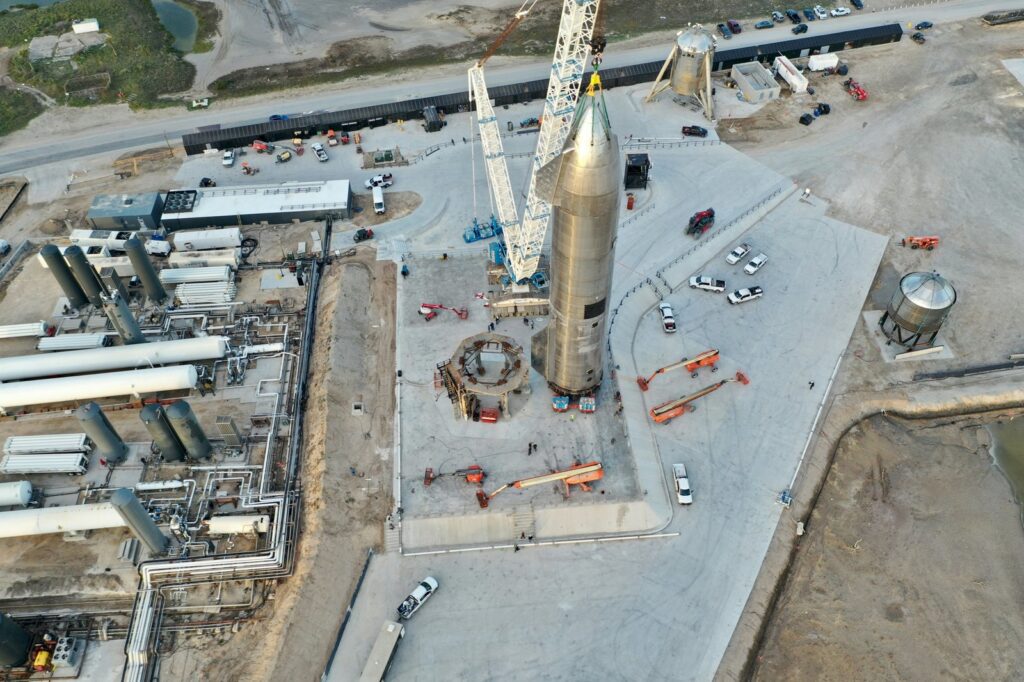
Starship Flight 15 is significant because it represents the first attempt to catch an orbital-class upper stage. The plan involves the launch tower’s mechanical arms, known as “chopsticks,” grabbing the Super Heavy booster after it returns and then attempting to catch the ship on a later pass. Musk has estimated the odds of a successful double catch at 50 to 60 percent, acknowledging that the more cautious outcome is a booster catch with the ship splashing down in the ocean.
The vehicle itself is a two-stage, fully reusable, super heavy-lift launch vehicle built at Starbase in Texas. As of late September 2026, Starship has launched 14 times, with 9 successful flights and 5 failures. If completed as designed, it would be the first fully reusable orbital rocket and have the highest payload capacity of any launch vehicle to date. The regulatory approval from the FAA and pad readiness at Starbase are key factors in determining when this flight will finally take place.
Cygnus and the Month’s Finale
The Florida schedule concludes with a mission that ties directly back to the International Space Station. Cygnus NG-25, a resupply mission, is tentatively scheduled for November 29 at 16:00 UTC from Cape Canaveral. This date is listed as tentative by RocketLaunch.org, with a no-earlier-than date of November 29. The mission will deliver cargo to the station, a routine but critical task for maintaining the outpost’s operations.
For U.S. audiences, this late-November slot offers a convenient viewing time, converting to 11:00 AM Eastern. However, the proximity to the end of the month means there is little room for delays. A scrub could push this flight into December, impacting the broader launch manifest. NASA typically covers station resupply missions on its own channels, so viewers are advised to check the agency’s schedule a few days ahead for confirmation.
The Bigger Picture of Launch Capacity
The density of the November schedule reflects a broader trend in the space industry. United Launch Alliance, another major provider, is working through a return-to-flight plan for its Vulcan rocket, which had a nozzle anomaly earlier in the year. While Vulcan addresses this hardware issue, Falcon 9 is carrying a heavy share of U.S. government launches that would otherwise be split between the two companies.
This dynamic is part of a structural squeeze in launch capacity. Satellite operators are demanding more rides than the industry can currently supply, leading to a busy manifest with no spare weeks. Every slip at one pad ripples into the next customer’s window, creating a high-stakes environment where timing is everything.
The month also includes launches from other nations, such as China’s Long March 2C and Long March 12, scheduled for November 5. These international flights further illustrate the global nature of space access, where multiple agencies and companies are competing for orbital slots.
Monitoring the Sky
For those interested in following these events, the tools available have become increasingly sophisticated. Orbital Radar provides a live catalogue and re-entry tracker, allowing users to monitor the evolving predictions for spacecraft like NASA’s Swift space telescope, which is expected to re-enter the atmosphere in late 2026. While a precise fall location is not yet settled, the re-entry forecasts change as atmospheric drag alters the spacecraft’s orbit.
The ability to track these objects in real-time is crucial for both safety and scientific research. Civil and military satellites observe fireballs and help researchers investigate incoming space rocks, contributing to planetary defense efforts. As the number of objects in orbit continues to grow, the importance of space situational awareness only increases.
The next major milestone on the calendar is the Cygnus NG-25 launch on November 29, which will bring the month’s Florida activities to a close. Until then, the focus remains on the successful execution of the Rocket Lab Electron mission and the subsequent Falcon 9 launches from California.
Sources
- Electron targets iQPS launch: Orbital Briefing, 2 November | Orbital Radar
- SpaceX Launches [Nov 2026]: 30-Day Schedule, Times & Stream
Photo: Jay Wedgeworth / Unsplash (Unsplash License)