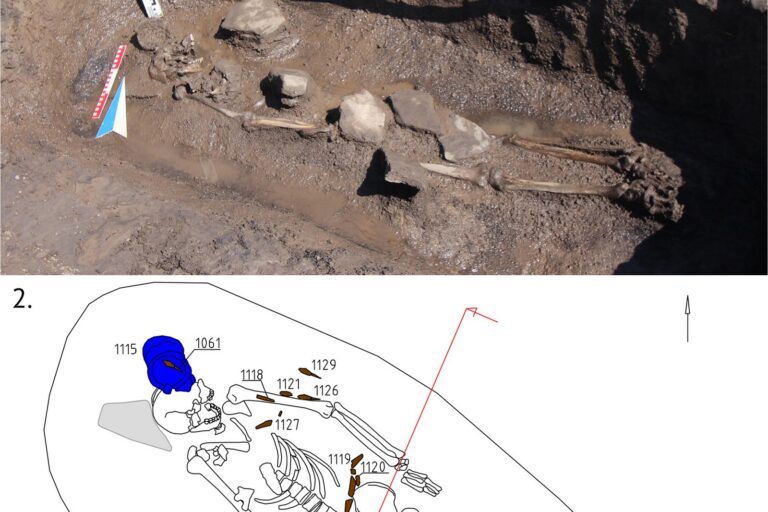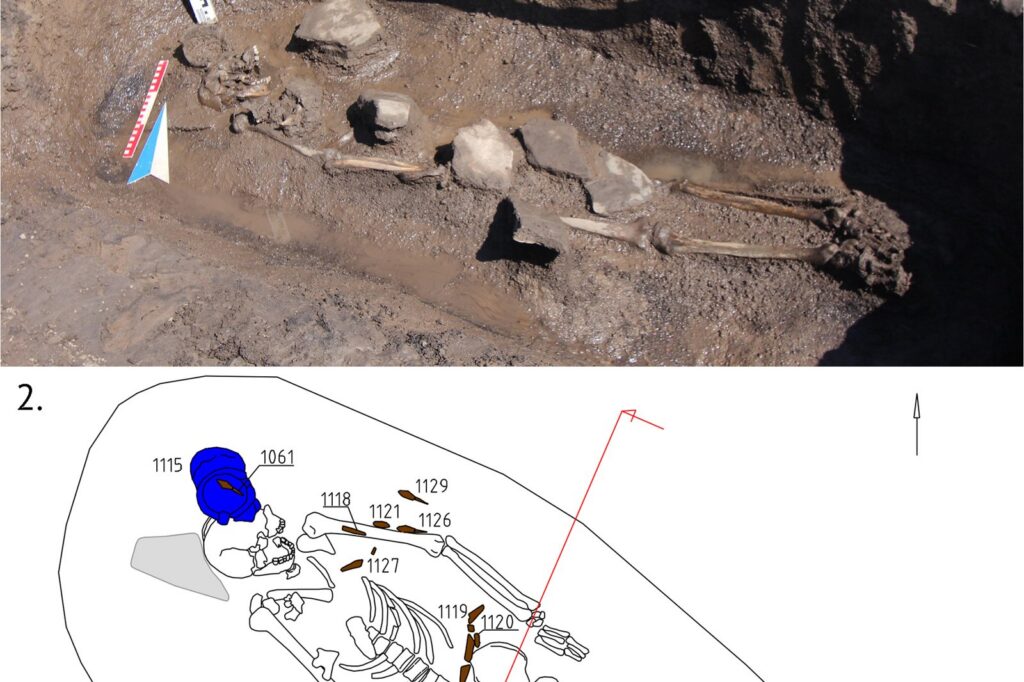
BERN, November 6, 2026 — Researchers have discovered evidence of ancient cannabis use in a 2,800-year-old Scythian tomb in Siberia, shedding light on the role of the plant in ancient societies. The findings, published in the journal Science, reveal that cannabis was used for its psychoactive properties, with researchers detecting cannabinol (CBN) in preserved human hair.
Uncovering Ancient Cannabis Use
The discovery was made at the Tunnug 1 archaeological site, a monumental burial mound in the Uyuk Valley of southern Siberia. The site dates back to the early Scythian period, when horse-riding communities occupied large areas of the Eurasian steppe. Researchers found over 1,400 cannabis seeds associated with the burials, which were radiocarbon-dated to the early eighth century BC, approximately 2,800 years ago.
Analyzing Hair Samples
The presence of cannabis seeds in the tomb does not, by itself, prove that the plant was used for its psychoactive effects. However, the analysis of preserved human hair from the central burial chamber revealed clear traces of CBN, a substance produced by the oxidation of tetrahydrocannabinol (THC), the main psychoactive compound in cannabis. Researchers used high-resolution mass spectrometry to analyze the hair samples, which indicated cannabis use, but not the amount consumed.
Significance of the Findings
The findings represent the oldest directly dated archaeological evidence of cannabis use for its psychoactive properties. According to Gino Caspari, the lead researcher from the University of Bern, the seeds and hair samples suggest that cannabis was used for its intoxicating properties. The research team believes that the cannabis seeds were part of a ritual burial, accompanied by extensive horse sacrifices and, most likely, human sacrifices as well.
Context and Implications
The discovery provides insight into how ancient societies experimented with the psychoactive properties of the plant world and incorporated them into their rituals. The findings also highlight the importance of examining both plant remains and human tissue to investigate ancient cannabis use. While the research team could not determine how the active compounds entered the body, the analysis of the hair samples indicates that cannabis was used for its intoxicating properties.
Future Research
The research team is continuing its investigation, with plans to sequence some of the plant samples. According to Caspari, the DNA preservation is excellent, which will help them learn more about the history of the domestication and spread of this crop. The team’s findings have shed new light on the role of cannabis in ancient societies, and further research is expected to provide more insight into the history of this plant. The research team has already begun sequencing some of the plant samples, with results expected to be published in the near future, on January 15, 2027.
Sources
- “Discovery of the century”: Researchers find evidence that cannabis was used as a psychoactive substance 2,800 years ago
- 2,800-Year-Old Scythian Tomb Reveals Evidence of Ancient Cannabis Use in Siberia | Arkeonews
- Stoned Age? People have been getting ‘high' on cannabis for 2,800 years
Photo: Timur Sadykov,Gino Caspari ,Jegor Blochin,Sandra Lösch,Yulija Kapinus,Marco Mile (CC BY-SA 4.0)