ANTALYA, November 6, 2026 — The UN Climate Change Conference, also known as COP31, has begun in Antalya, Turkey, with representatives of more than 190 countries in attendance. The conference will discuss emission reduction targets and the transition to renewable energy, among other issues.
Emission Reduction Targets
The specific emission reduction targets being debated this year are centered on limiting global warming to 1.5°C above pre-industrial levels. According to Martin Krause, the Director of the Climate Change Division at the UN Environment Programme (UNEP), the world is set to exceed this threshold within the next few years. The goal of limiting global warming to 1.5°C is a key part of the Paris Agreement, and countries are struggling to meet this target. The use of fossil fuels remains the main driver of warming emissions, and the transition to renewable energy is seen as crucial to reducing emissions.
Background And History
The UN Climate Change Conference is an annual event that brings together countries to negotiate collective action on reducing greenhouse gas emissions, adapting to climate change, and supporting countries and communities experiencing loss and damage. The conference is part of the UN Framework Convention on Climate Change (UNFCCC), which was agreed in 1992. The Paris Agreement, which was reached in 2015, sets a goal of keeping global warming well below 2°C and pursuing efforts to limit it to 1.5°C above pre-industrial levels.
How It Works
The conference works by bringing together representatives of countries to negotiate and agree on emission reduction targets and other measures to address climate change. The negotiations are often difficult and require consensus among countries. The conference also provides a platform for countries to share their progress and experiences in addressing climate change, and to discuss ways to support each other in reducing emissions and adapting to the impacts of climate change.
The Numbers
According to the UN Environment Programme (UNEP), the average global temperature will inevitably rise more than 1.5°C above pre-industrial levels, likely within the next few years. This would breach a goal of the Paris Agreement and raise the risks of droughts, floods, sea level rise, and widespread forest fires. The company said that limiting global warming to 1.5°C requires immediate and drastic reductions in greenhouse gas emissions.
What It Means Now
The emission reduction targets being debated at COP31 are crucial to addressing the climate crisis. Officials noted that the world has more tools than ever to tackle climate change, yet millions remain unable to benefit from them. The conference provides an opportunity for countries to assess progress, negotiate new agreements, and make commitments to reduce emissions and support each other in addressing climate change. Data shows that renewable energy technologies are advancing at an extraordinary pace, and many countries are transitioning to cleaner energy sources. However, the transition is not happening fast enough, and the world is still on track to exceed the 1.5°C threshold. The outcome of COP31 will be critical in determining the course of global action on climate change, and the next scheduled date for the conference is November 20, 2026.
Sources
- UN climate talks start in the year of disasters, energy price shocks and fast rising temperatures – Newsday
- United Nations Climate Change Conference
- Here are the seven issues expected to dominate the upcoming UN Climate Change Conference
- UCLA experts: Disasters mount ahead of UN climate talks
- COP31 explained: Why the Türkiye climate summit matters
- COP31 explained: What’s at stake at this year’s UN climate summit?
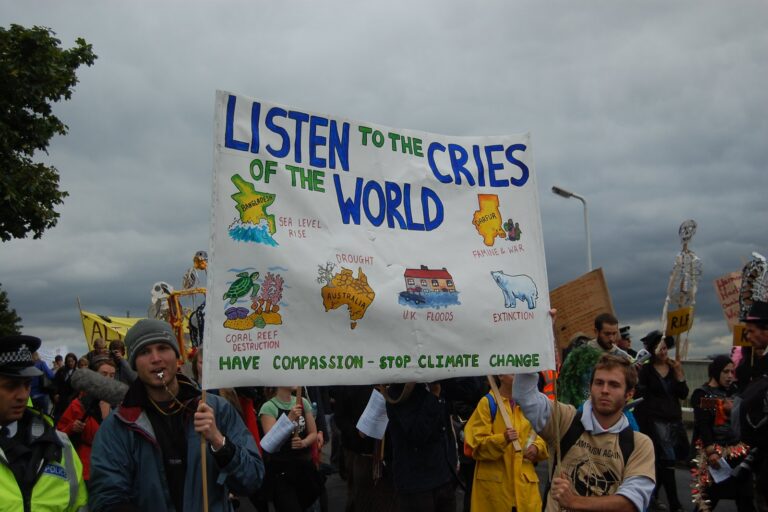
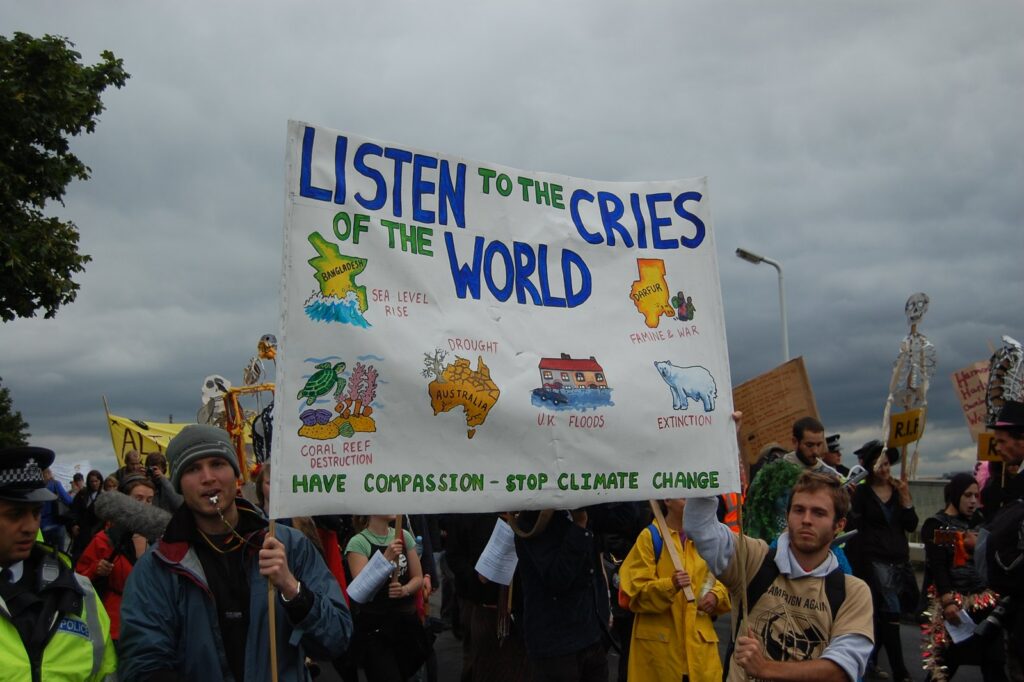
Photo: Andrew (CC BY-SA 2.0)