
New Herbivorous Hadrosaur Identified in Patagonia
A team from the Chilean Antarctic Institute has reported the discovery of fossils belonging to a previously unknown herbivorous hadrosaur, named Gonkoken nanoi. The remains were uncovered in Patagonia and date to roughly 72 million years ago, placing them in the Late Cretaceous interval.
The findings appear in a study released by the journal Science Advances. Science Advances is a peer‑reviewed, multidisciplinary, open‑access publication that launched in early 2015. As a outlet of the American Association for the Advancement of Science, it aims to share innovative research across scientific fields.
Its open‑access model makes articles freely available to researchers, educators, and the public, facilitating broad dissemination of new knowledge. The identification of Gonkoken nanoi adds a fresh member to the hadrosaur lineage, a group of plant‑eating dinosaurs that thrived during the Cretaceous period.
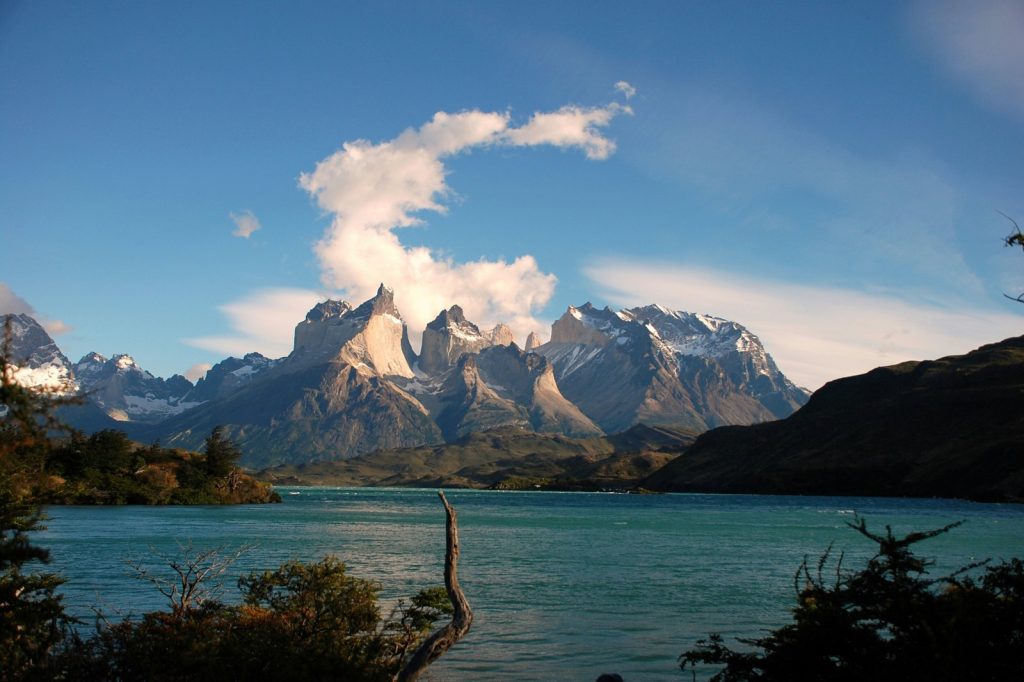
By confirming that these animals lived in what is now Patagonia, the research highlights the region’s significance as a paleontological hotspot. The area’s distinctive geology, shaped over eons by tectonic shifts, glacial activity, and erosion, has produced abundant fossil deposits that continue to yield important specimens. Scientists note that the discovery expands understanding of hadrosaur diversity and offers insight into the ancient ecosystems of southern South America. Analyses of the fossil material may reveal details about the animal’s growth, feeding habits, and social behavior, contributing to a more complete picture of how these dinosaurs interacted with their environment.
Beyond paleontology, the study touches on contemporary conservation themes. Investigating the evolutionary pathways and ecological roles of extinct herbivores can inform modern efforts to preserve biodiversity.
Understanding how past species responded to shifting climates and habitats provides context for addressing current challenges such as climate change, habitat loss, and species extinction. Researchers anticipate that further exploration of Patagonian strata will uncover additional remains, potentially shedding light on other unknown taxa. The excitement surrounding Gonkoken nanoi is expected to stimulate new investigations into hadrosaur evolution, behavior, and their place within Cretaceous food webs.
As the scientific community continues to examine the fossils, the discovery is likely to inspire future generations of paleontologists to pursue fieldwork in remote regions. The knowledge gained from this find underscores the value of preserving natural archives that record Earth’s deep history.




