
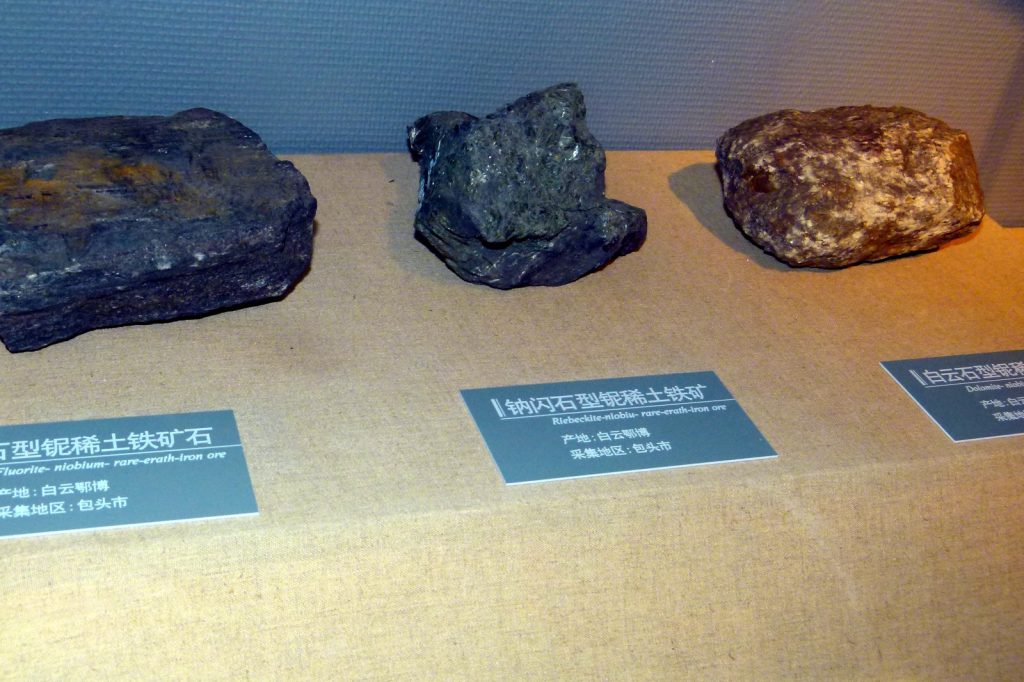
WASHINGTON, July 7 — The quiet revolution in clean energy is running into a very old problem: you can’t build the future without the right stuff. That stuff, in this case, is a handful of obscure-sounding elements—neodymium, praseodymium, dysprosium—that make the magnets in electric vehicle motors and wind turbine generators work. Without them, a lot of the technology we’re counting on to power a cleaner grid and cleaner cars simply doesn’t spin.
Think of it like this: if a wind turbine or an EV motor is the body, rare earth magnets are the muscle. They’re what convert electricity into motion and motion back into electricity, and they do it with an efficiency that conventional magnets can’t match.
The practical upshot is that these metals have become some of the most sought-after materials on the planet. The numbers tell the story. In 2023, global EV sales hit 14 million units, according to the International Energy Agency.
That was a 35 percent jump from the year before. Each one of those vehicles uses about one to two kilograms of rare earth oxides in its permanent magnet motor.
It doesn’t sound like much per car, but multiply that by millions of vehicles a year, and the demand curve gets steep fast. Wind turbines are an even hungrier customer. Direct-drive models, which are popular for offshore wind farms because they have fewer moving parts and require less maintenance, can contain up to 600 kilograms of rare earth magnets for every megawatt of generating capacity.
A single large offshore turbine might be rated at a substantial capacity. Do the rough math and you’re looking at several tons of rare earth material per turbine. Here’s what it means, in plain terms: the U.S. Department of Energy projects that rare earth demand for clean energy applications could increase by 400 percent by 2050.
That’s not a small uptick. That’s a fundamental shift in how we source and process these materials.
The supply chain, at the moment, is heavily concentrated. China dominates the mining and processing of rare earths, and that has companies like Tesla and General Motors working hard to lock in their own sources. Tesla signed a deal with MP Materials in 2022 to supply rare earth magnets.
It’s a sign of the times: automakers are starting to think like mining companies. The challenge isn’t just finding the ore.
It’s processing it. Rare earth elements are rarely found in concentrated deposits; they’re mixed together with other minerals and with each other, and separating them is a chemically intensive process that historically has created significant environmental waste. The clean energy transition, in other words, has its own dirty laundry to deal with.
So what does this mean for ordinary readers? The practical upshot is that the price and availability of these metals will influence how fast EVs and wind power can scale. If supply tightens, costs go up.
If costs go up, adoption slows. It’s a bottleneck that policymakers and industry leaders are only beginning to grapple with in earnest.
The race is on to find alternatives. Some researchers are working on electric motors that use less rare earth material or none at all. Others are looking at recycling magnets from old electronics and end-of-life vehicles.
But those technologies are still in early stages. For now, the clean energy boom runs through rare earth magnets.
What to watch next: how quickly new processing capacity comes online outside of China, and whether automakers and turbine manufacturers can redesign their products to use less of these critical materials. The demand is not going away. The question is whether the supply can keep up.
{“@context”: “https://schema.org”, “@type”: “NewsArticle”, “headline”: “Clean Energy Demand Fuels Rare Earth Rush for EVs and Wind Turbines”, “description”: “WASHINGTON, July 7 — The quiet revolution in clean energy is running into a very old problem: you can’t build the future without the right…”, “datePublished”: “2026-07-07T09:30:00+00:00”, “author”: {“@type”: “Person”, “name”: “Erika Johnson”}, “publisher”: {“@type”: “Organization”, “name”: “InfoPulse Today”, “url”: “https://newsfeed.infopulsetoday.com/”}}




