
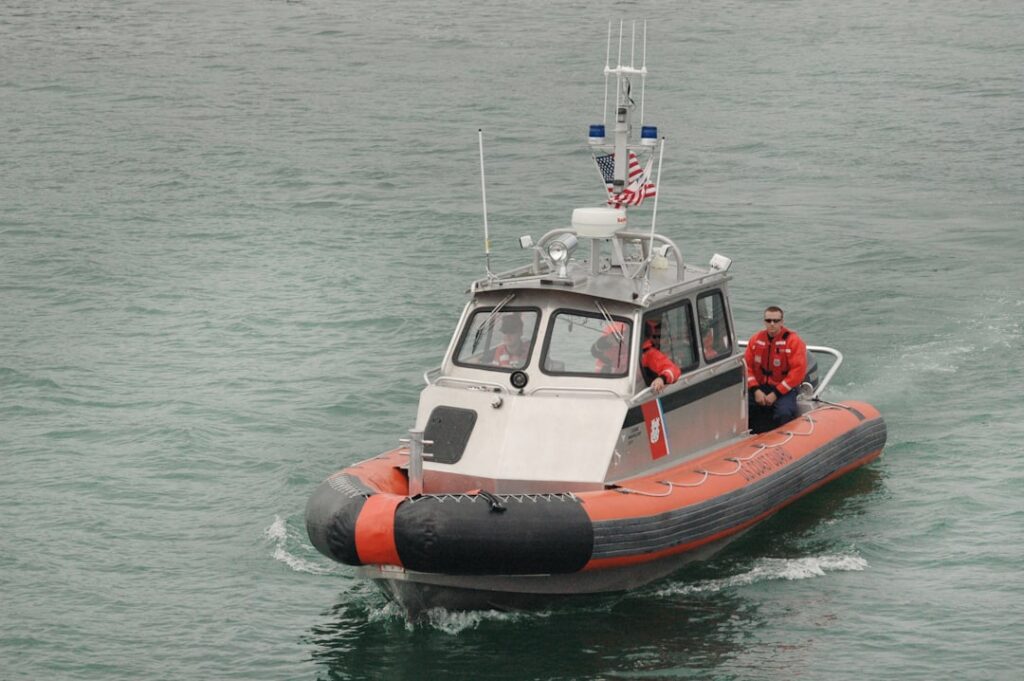
On April 11, 2025, a vessel carrying immigrants overturned in the St. Lucie Inlet, resulting in the loss of five lives. The United States Coast Guard rescued four individuals from the water. While the wreckage has disappeared, the bodies remain unrecovered, and the inlet itself continues to pose a lethal threat to anyone attempting the crossing.
The St. Lucie Inlet is not a simple waterway; it is one of six openings that connect the Indian River Lagoon to the Atlantic Ocean. This lagoon stretches 156 miles along Florida’s eastern shoreline and contains a blend of fresh and salt water, with depths that vary from shallow to deep. Powerful tides surge through the narrow gap between Hutchinson Island and Jupiter Island, creating conditions where a small, overloaded boat has little room for error. A single broadside wave or a sudden shift in weight can capsize such a craft, which is exactly what occurred in this incident.
Five people drowned, while four survived thanks to either luck or personal strength. The Coast Guard does not disclose the names of those involved in cases like this, and current reporting has not identified any of the victims or survivors. Their anonymity follows standard protocol when the living are in custody and the deceased are part of an ongoing investigation.
Investigators are still examining the circumstances, focusing on who organized the trip, who was at the helm, and whether the passengers understood the dangers they faced. However, the underlying risk is clear: it stems from the inlet’s physics, its geography, and the inherent nature of the channel itself.
Despite its peril, the same waters support remarkable ecological value. The beaches on Hutchinson Island rank as the third‑most important loggerhead sea turtle nesting site in the Western Hemisphere. Just south of the channel, St. Lucie Inlet State Park safeguards both hard and soft coral reefs. To the north, Bathtub Beach Reef features a sabellariid worm reef—a rare structure built by marine worms that provides habitat for fish, crabs, and other marine life. These ecosystems rely on clean water, steady currents, and predictable tides.
A capsized boat introduces fuel, debris, and human remains into this fragile setting, threatening the very habitats that depend on the inlet’s waters. The same sea that claimed the lives of the migrants also nourishes the turtles and sustains the coral communities, highlighting a stark irony: people risk everything to reach a coastline the United States designates as a natural treasure, only to perish in an inlet that is also a protected state park.
The federal response is split but concurrent. The Coast Guard carries out rescues of the living, while the National Park Service oversees the protection of turtle nests and reefs. Neither mission, however, stops the flow of vessels attempting the crossing.
Although five deaths were confirmed on April 11, the toll could have been greater; the boat held more than nine people, though the exact number remains unknown. Survivors will be processed by immigration authorities. The deceased will undergo autopsy and identification, if possible. Those responsible for organizing the voyage, if apprehended, will face federal prosecution.
None of these legal or administrative outcomes will alter the fundamental reality: the St. Lucie Inlet remains a hazardous passage for those driven by desperation. The water does not consider motives; it responds only to weight, balance, and the seaworthiness of the craft. The investigation may yield answers about this specific event, but it will not produce a lasting solution. Smuggling operations are likely to adapt, the Coast Guard will continue patrols, turtles will return to nest, and the inlet will persist in doing what inlets do—claiming boats and returning them as wreckage.




