
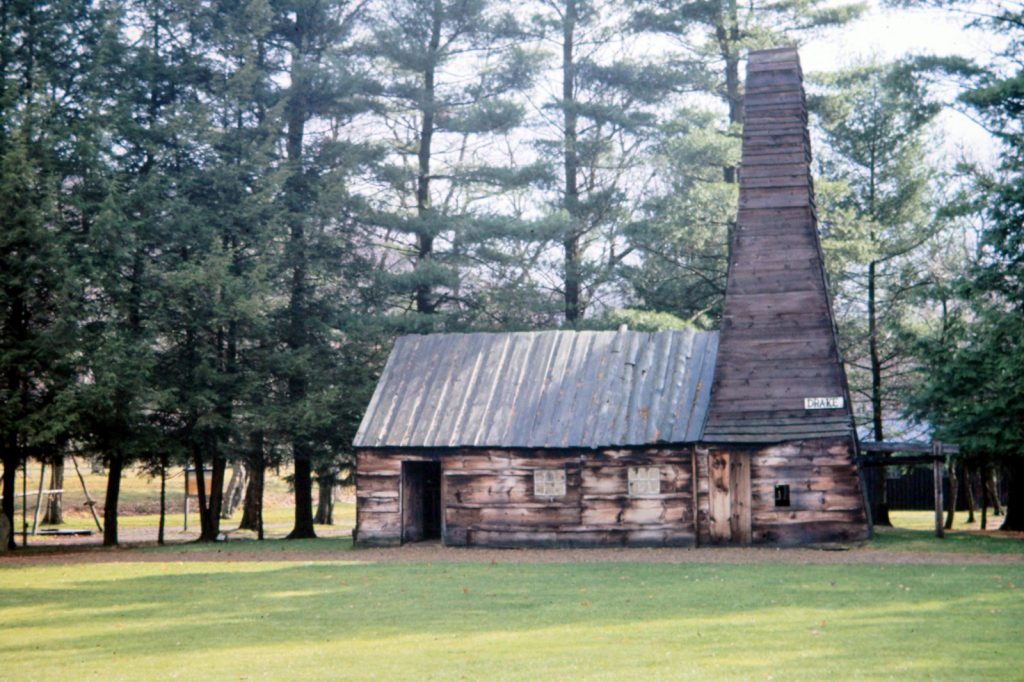
TITUSVILLE, July 14 — The calculus of American energy dominance began with a single hole in the ground 69.5 feet deep, and the man who drilled it died penniless. Edwin Laurentine Drake, a former railroad conductor and businessman, changed the geopolitical chessboard forever on August 27, 1859, when his steam-powered drill struck oil near this small northwestern Pennsylvania town. Strategically, the moment was unassuming.
Drake adapted a technique from salt well drilling, using a steam engine to drive a drill pipe into the earth. The well initially produced 25 barrels per day.
That modest flow ignited the Pennsylvania oil rush and, by extension, the modern petroleum industry. The broader stakes were invisible at the time, but Drake had unlocked a resource that would reshape global power, transportation, and conflict for the next century and a half. Drake’s innovation was not protected.
He patented no method, secured no exclusive rights. The technique he pioneered was quickly copied by others who rushed to the oil fields of western Pennsylvania.
What this signals, from a strategic perspective, is a familiar pattern in American resource history: the innovator often loses the economic war while the industry he spawns wins the global one. Drake was born in 1819 and died in 1880. He ended his life in poverty, a footnote to the vast wealth his discovery generated for others.
The Drake Well Museum now preserves the site in Titusville, marking the location where the modern petroleum age began. The U.S. Postal Service issued a stamp in his honor in 1963, a belated recognition of a man who gave the world a new energy source and received nothing in return.
The Birth of an Industry
The Pennsylvania oil rush that followed Drake’s strike transformed the region almost overnight. Titusville became a boomtown. Derricks sprouted across the landscape.
The calculus for investors was simple: drill, produce, profit. Drake had shown it was possible to reach oil deep beneath the surface, and the race was on.
Yet the man who started it all watched from the sidelines. His failure to patent the drilling method meant he had no claim on the royalties that flowed to others. The broader stakes of his achievement—a world powered by petroleum, with all the strategic advantages and vulnerabilities that entailed—were not his to enjoy.
A Legacy Preserved
The Drake Well Museum stands today as a reminder of that first strike. Visitors can see the site where Drake’s steam engine chugged, driving the drill pipe downward until it hit the oil sand. The museum preserves the history of an industry that would go on to fuel armies, power economies, and shape international relations for generations.
What this signals for the present moment is a reminder that resource breakthroughs often come from unexpected places and unlikely people. Drake was not a geologist or an engineer.
He was a businessman who saw an opportunity and adapted existing technology to a new purpose. The strategic lesson endures: innovation in resource extraction can shift the balance of power, but the rewards do not always flow to the innovator. As of July 2026, the petroleum industry that Drake launched continues to operate on a global scale.
The well that started it all, 69.5 feet deep and producing 25 barrels a day, seems modest by modern standards. But the broader stakes of that first strike remain: energy is power, and the search for new sources never stops.
The next Edwin Drake may already be drilling somewhere, unnoticed, changing the world without knowing it.
Sources
{“@context”: “https://schema.org”, “@type”: “NewsArticle”, “headline”: “Edwin Drake: The Man Who Drilled the First Commercial Oil Well”, “description”: “TITUSVILLE, July 14 — The calculus of American energy dominance began with a single hole in the ground 69.5 feet deep, and the man who…”, “datePublished”: “2026-07-14T09:30:00+00:00”, “author”: {“@type”: “Person”, “name”: “Noah King”}, “publisher”: {“@type”: “Organization”, “name”: “InfoPulse Today”, “url”: “https://newsfeed.infopulsetoday.com/”}, “citation”: [{“@type”: “CreativeWork”, “url”: “https://en.wikipedia.org/wiki/Edwin_Drake”}]}




