
From Laboratory Breakthrough to Mass Market
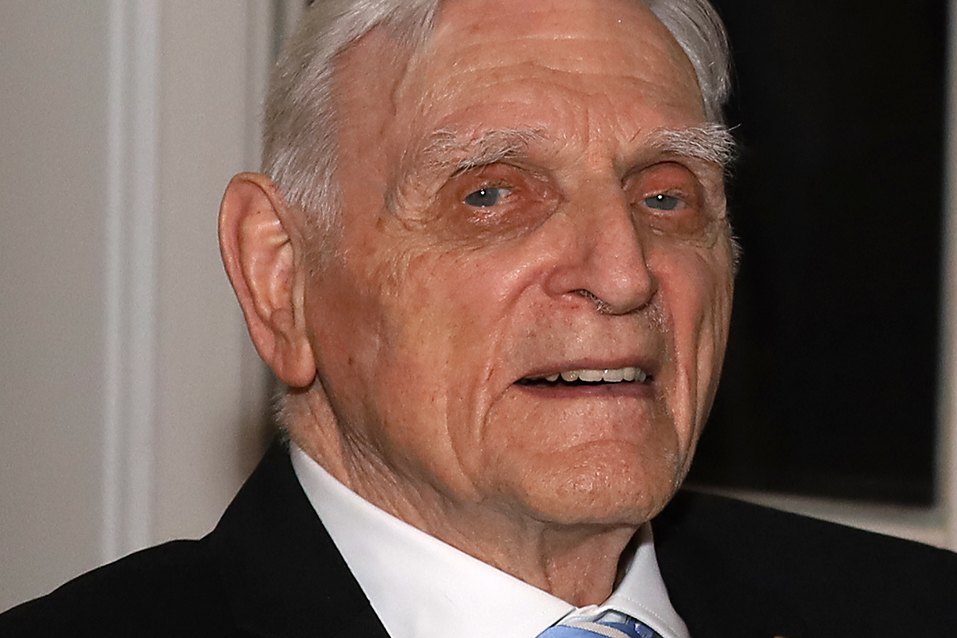
The origins of the lithium-ion battery trace back to the 1970s, when Stanley Whittingham first demonstrated a rechargeable lithium battery using intercalation electrodes. In 1980, John B. Goodenough, working at Oxford University, built on that work by developing the lithium cobalt oxide cathode. Five years later, Akira Yoshino at Asahi Kasei created the first practical prototype by pairing a carbon anode with Goodenough’s cathode. Sony commercialized the technology in 1991, launching the era of portable electronics. In recognition of their foundational contributions, Goodenough, Whittingham, and Yoshino shared the 2019 Nobel Prize in Chemistry.
The commercial impact was swift. The Tesla Model S, introduced in 2012, became the first mass-market electric vehicle to rely on a large lithium-ion battery pack, with a capacity exceeding 85 kilowatt-hours. That vehicle helped demonstrate that long-range electric cars were feasible, spurring a wave of investment in both battery manufacturing and vehicle development. Today, the technology has become central to efforts to electrify transportation and store renewable energy on the power grid.
Dramatic Gains in Energy Density and Falling Costs
The performance improvements have been striking. In 2010, a typical lithium-ion battery could store about 200 watt-hours per liter. By 2022, that figure had climbed to more than 700 watt-hours per liter — a more than threefold increase in the amount of power packed into the same physical space. According to BloombergNEF, battery pack costs fell even more steeply. From $1,200 per kilowatt-hour in 2010, the price dropped 87 percent to $151 per kilowatt-hour in 2022.
Two main chemistries now dominate the market. Lithium nickel manganese cobalt oxide, known as NMC, is common in many electric vehicles. Meanwhile, lithium iron phosphate, or LFP, which does not contain cobalt, has been gaining ground. LFP’s market share rose from 10 percent in 2020 to 30 percent in 2022, driven by its lower cost and improved safety. The absence of cobalt also answers some of the environmental and geopolitical questions that surround the mining of raw materials for batteries. Lithium and other minerals are extracted in regions where labor practices and environmental standards vary widely, and demand continues to grow.
Recycling, Safety, and the Next Frontier
Even as production capacity expands, the recycling of spent lithium-ion batteries remains limited. Globally, recycling rates are below 5 percent. Companies such as Redwood Materials and Li-Cycle are building facilities designed to recover lithium, cobalt, nickel, and graphite from used batteries. These efforts aim to create a circular supply chain that reduces reliance on new mining.
Safety concerns persist because the batteries contain flammable electrolytes. Fire risks, though reduced by improved designs, have not been eliminated. Researchers are working on solid-state batteries that would replace the liquid electrolyte entirely, potentially offering higher energy density and greater safety. The U.S. Department of Energy’s Battery500 Consortium has set an ambitious target: achieving a battery cell energy density of 500 watt-hours per kilogram by 2028. That milestone, if reached, would further extend the range of electric vehicles and enhance the viability of grid storage.
The trajectory is clear. Energy density is rising, costs are falling, and recycling infrastructure is being built. The combination of scientific progress and market forces has made lithium-ion batteries indispensable to the shift away from fossil fuels, even as the industry works to solve the remaining challenges of raw material supply, safety, and end-of-life recovery.




