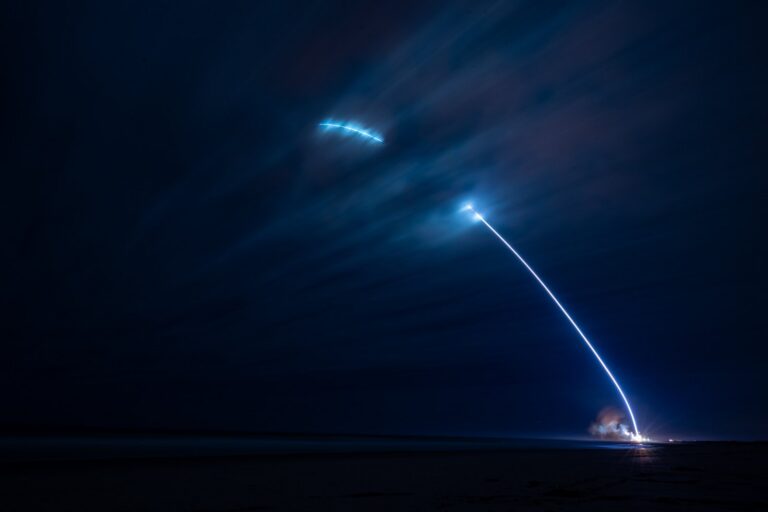
China’s human-rated Long March 10 rocket family is entering a multi-year testing and certification phase that will determine the pace of the country’s ambitious space plans, including a crewed lunar landing targeted for 2030. The first variant, the Long March 10B, completed its maiden flight on June 23, 2024, and program officials have confirmed that at least three additional test flights are required before the rocket family receives formal certification.
Each of those flights will need to demonstrate reliability before the vehicle can be cleared for operational use, a campaign that spacefaring nations and commercial launch providers are closely tracking.
Certification Path and First Operational Mission
The Long March 10B is a two-stage, medium-lift launch vehicle designed for low-Earth orbit and deep-space missions. It is a partially reusable derivative of the Long March rocket family, which has been the backbone of China’s space program for decades, evolving from early orbital launches to advanced missions including lunar exploration and space station construction. The 10B builds on technologies from earlier variants, particularly the Long March 10A, to deliver greater payload capacity and reusability.
The first operational mission is planned for 2026, when the Long March 10B will begin resupplying China’s Tiangong space station, a facility that has been operational since 2022. That flight will serve as the first real operational stress test of the rocket system.
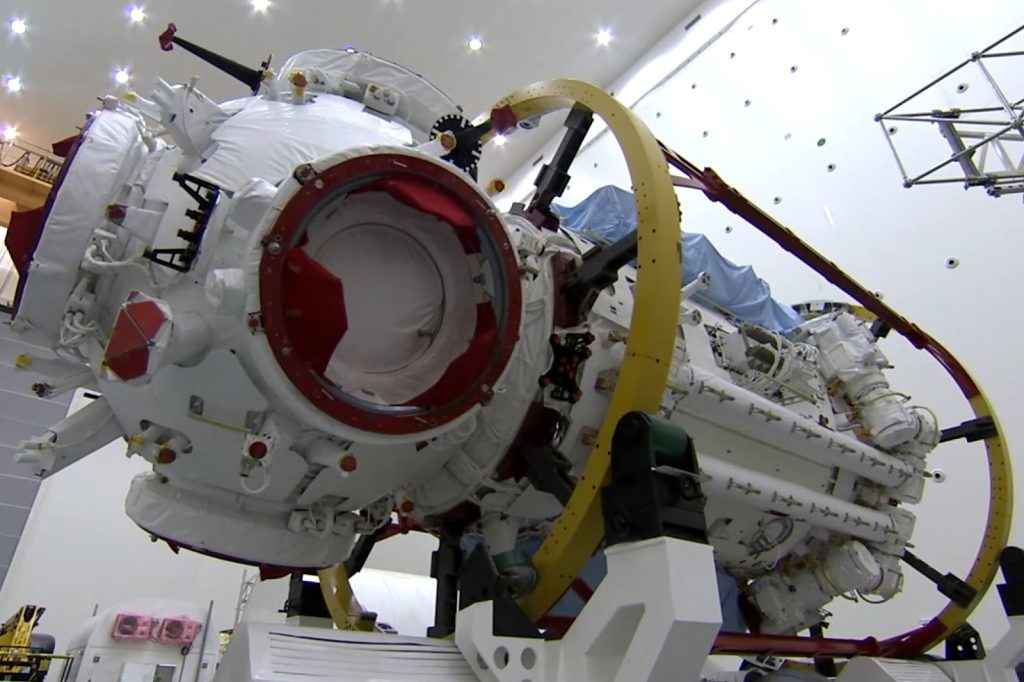
The Tiangong station itself is not static; it will be expanded with new modules launched by the Long March 10B in the coming years. The shift toward reusable launch systems, a capability previously demonstrated by only a handful of nations, marks a significant step for China’s space program. The 10B’s role in resupplying Tiangong and testing new recovery technologies will provide the operational experience needed to certify the rocket for more demanding missions.
Lunar Landing and Deep Space Ambitions
The human-rated Long March 10 variant, derived from the 10B, is scheduled for its first crewed test flight in 2028. That vehicle will serve as the workhorse for China’s crewed lunar landing, currently targeted for 2030.
The lunar mission architecture calls for two Long March 10 launches: one carrying the crew capsule and a second carrying the lunar lander. Astronauts are set to touch down on the Moon’s south pole, a region of high scientific interest due to the presence of water ice in permanently shadowed craters. Beyond the Moon, Beijing has set its sights on Mars. China plans to use the Long March 10 rocket family for Mars sample return missions in the 2030s.
Such a mission would be a major technical achievement, requiring the collection of rock and soil samples from the Martian surface and their return to Earth. The reliability and versatility of the Long March 10 family will directly influence the pace and scope of these deep-space efforts.
As China expands its presence beyond Earth, each certification flight of the Long March 10B will be scrutinized not only for its technical performance but also for what it signals about the country’s ability to sustain long-duration human spaceflight and interplanetary exploration. The 2026 resupply mission to Tiangong will be a critical milestone, confirming whether the rocket is ready for routine operational use before the more complex crewed lunar missions begin.