
Moscow, December 6, 2022 — cybernewschronicle.com — Russia has a new problem. It is not just the European Union embargo on its seaborne crude, which took effect at one minute past midnight Brussels time on 5 December. It is the price cap the Group of Seven nations set at USD 60 a barrel.
Moscow has warned it will refuse to sell to any buyer that invokes that cap. That threat, if real, amounts to a self-imposed export cut.
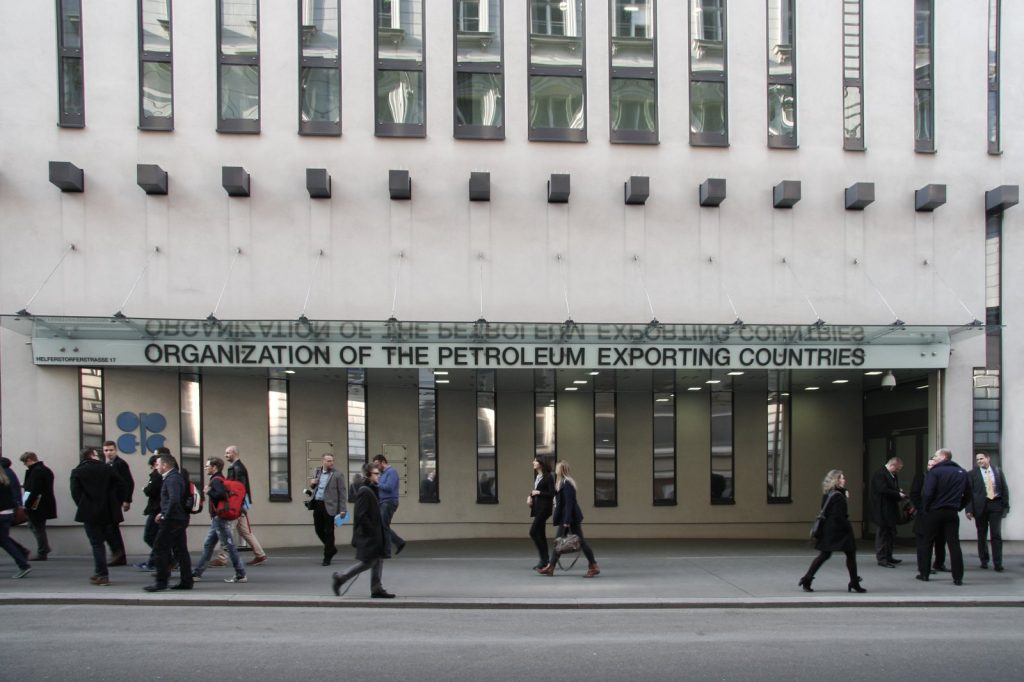
And OPEC+ is betting on it. The 23-country alliance, which includes Russia, met virtually on 4 December. The meeting was brief.
The statement was one line: existing output targets of 2 million barrels per day remain unchanged. Delegates told reporters the ministers wanted to pause and watch.
They wanted to see what the EU ban and the G7 price ceiling would do to the market before they moved again. Baden Moore, head of commodity analysis at National Australia Bank, put it plainly. The cartel is “content to let the sanctions do the tightening for now,” he told clients.
That is a deliberate strategy. OPEC+ holds the line while Western sanctions squeeze Russia. If Moscow follows through on its threat, the supply drop is not hypothetical.
It is a declared policy. Early tanker-tracking data shows no immediate drop in Russian exports.
But freight rates for vessels willing to load Russian cargoes are already moving. That is the signal traders are watching. The question is not whether Russia will cut.
The question is how much and how fast. Moore also pointed to another factor.
The U.S. strategic petroleum reserve release, which has been dumping 1 million barrels a day onto the market, is scheduled to end this month. That is 180 million barrels of stored crude that Washington has been burning through since the spring. When that tap closes, the market loses a cushion.
An already undersupplied market gets tighter. The math is not complicated. OPEC+ keeps 2 million barrels a day off the market.
The SPR release ends, removing another 1 million barrels a day. Russia may cut exports on top of that.
The EU embargo removes a buyer of last resort for Russian crude. The price cap makes it harder for Moscow to find alternative customers. Russia has said it will not sell at USD 60.
If it means that, the barrels stay in the ground. Oil futures rose as much as 2 percent on 5 December.
Brent crude settled at USD 86.29 a barrel, up 72 cents. U.S. West Texas Intermediate finished at USD 80.68, up 70 cents. The gains were not dramatic.
The market had been positioning for this for weeks. The twin developments — the OPEC+ rollover and the Chinese cities dismantling parts of the zero-Covid regime that has suppressed fuel consumption — arrived in the same window. China easing restrictions lifts demand expectations.
OPEC+ holding output cuts keeps supply tight. The price cap adds a wild card.
Moore said the market has “already positioned for this view.” That is trader-speak for “priced in.” But the real test comes in the weeks ahead. Will Russia blink? Will it find tankers, insurers, and buyers willing to work around the cap?
Or will it follow through on its threat and let the barrels sit? OPEC+ is watching.
The cartel has left itself room to adjust. The next ministerial meeting could bring changes. For now, the line holds.
The sanctions are doing the work.




