
Energy Shock and Europe’s Response
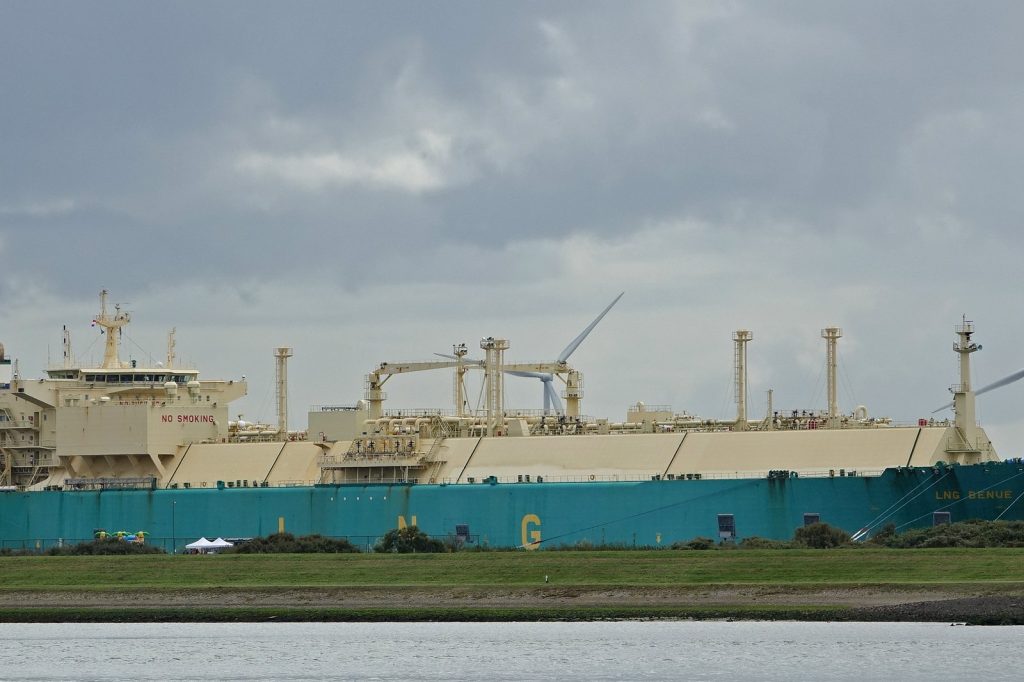
Europe bore the immediate brunt of the energy crisis. Before 2022, Russia supplied 40 percent of European Union gas imports. By August 2022, benchmark European gas prices had soared to €340 per megawatt-hour. The EU moved swiftly, imposing an embargo on Russian coal that took effect in August 2022, followed by a ban on most Russian oil in December of that year. In response, Moscow rerouted its crude exports to new markets. India, which imported just 90,000 barrels per day of Russian oil in 2021, became a key buyer, taking in 1.7 million barrels per day in 2023. China also absorbed increased volumes. Within Europe, diversification of supply sources and a series of mild winters helped drive prices down to roughly €30 per megawatt-hour by early 2024. European energy security has improved, but the cost of the transition—both financial and logistical—has been significant, and reliance on alternative suppliers introduces new vulnerabilities.
Food System Under Strain
The war’s impact on global food markets proved even more tangled. Together, Ukraine and Russia account for 30 percent of global wheat exports. When hostilities began, global wheat prices surged 60 percent in March 2022, sending shockwaves through nations that depend on imports. Egypt, which historically sourced most of its wheat from the Black Sea region, faced immediate shortages. Lebanon, already mired in a deep economic crisis, saw bread prices skyrocket. A diplomatic lifeline came in the form of the Black Sea Grain Initiative, a deal brokered to allow Ukraine to continue shipping via its southern ports. The agreement enabled the export of 33 million tonnes of grain before Russia withdrew in July 2023, a suspension that kept markets on edge. Although the UN Food and Agriculture Organization’s food price index has fallen from a peak of 160 in March 2022 to 118.3 in February 2025, it remains above historical averages, indicating that global food prices have not returned to pre-war levels. The underlying system of cheap, steady grain flows that underpinned global markets for decades has not fully healed.
Structural Shifts and Fragile Markets
The rerouting of Russian oil to Asia and the permanent loss of Ukrainian wheat exports represent deep structural changes, not temporary disruptions. For countries like Egypt, where the disruption was existential, the search for alternative suppliers is ongoing. For Lebanon, already fragile, the crisis compounded existing woes. Meanwhile, the shift in global grain flows—from Ukrainian ports to suppliers elsewhere—is still playing out. The food price index remains elevated, a sign that the global food system is more fragile than before the conflict. The broader question is whether the world can build a more resilient architecture capable of withstanding the next shock. The outcome of the war will shape not only the security and economic architecture of Europe but also the stability of commodity markets that billions depend on. The cracks in the old system are clear; how they will be mended remains uncertain.




