
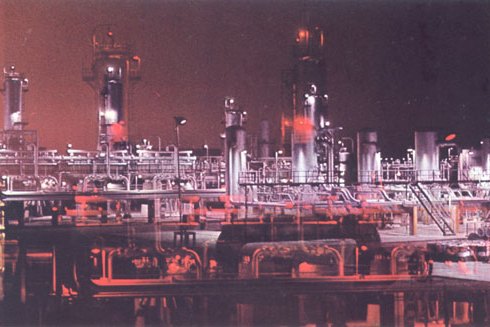
RIYADH, July 26 — When drones and missiles struck the heart of Saudi Arabia’s oil infrastructure in September 2019, the attack cut 5.7 million barrels of daily production — the largest single supply shock in history — and sent crude prices surging nearly 15% overnight. For the millions of households, businesses, and industries that depend on stable energy prices, the event was a stark reminder of how vulnerable the global oil system remains. Saudi Arabia produces roughly 10% of global supply—around 11 million barrels per day (bpd) before any disruption.
The attack on the Abqaiq and Khurais facilities knocked out more than half of that overnight. Prices jumped from about $60 to $69 a barrel in a single day.
For Saudi Aramco, the state oil company, the revenue losses ran into the billions. It took several weeks to restore full capacity. Yet the damage went far beyond one company.
Insurance premiums for oil tankers in the Persian Gulf rose. Companies across the globe began reassessing their supply chain risks.
And in a blink, the world’s spare production capacity — the buffer that keeps markets calm — collapsed from roughly 2.5 million barrels per day to nearly zero. That exposed just how fragile the system is.
Recurring threats
In 2021, another Houthi drone strike hit the Aramco Ras Tanura facility, the largest oil port in the Middle East. That time, there was no major disruption. But the Houthis have also targeted Saudi Aramco facilities in Jazan, Najran, and other locations.
According to the U.S. Energy Information Administration, Saudi Arabia’s oil infrastructure includes over 1,000 miles of pipelines and multiple refineries — all of them vulnerable to drone and missile attacks. The economic impact extends beyond the kingdom, as the Strait of Hormuz, a key chokepoint for oil shipments, remains threatened by Iranian and Houthi activity.
Lessons from history
Oil market volatility linked to Middle Eastern conflicts is not new. The 1973 oil embargo reshaped the global economy. But the 2019 attack and its aftermath showed that even modern, high-tech infrastructure can be disrupted by relatively cheap drones and missiles.
The loss of spare capacity — from about 2.5 million barrels a day to nearly zero — was a strategic shock that underscored the market’s thin safety margin. For now, global markets watch closely.
Another major strike could once again send prices soaring and strain supply chains that millions depend on — a reminder that behind every barrel of oil lies a network of vulnerable pipelines, ports, and refineries. For Saudi Aramco and the countries that rely on its output, the question is not whether threats will come, but how well the system can withstand them when they do.




