
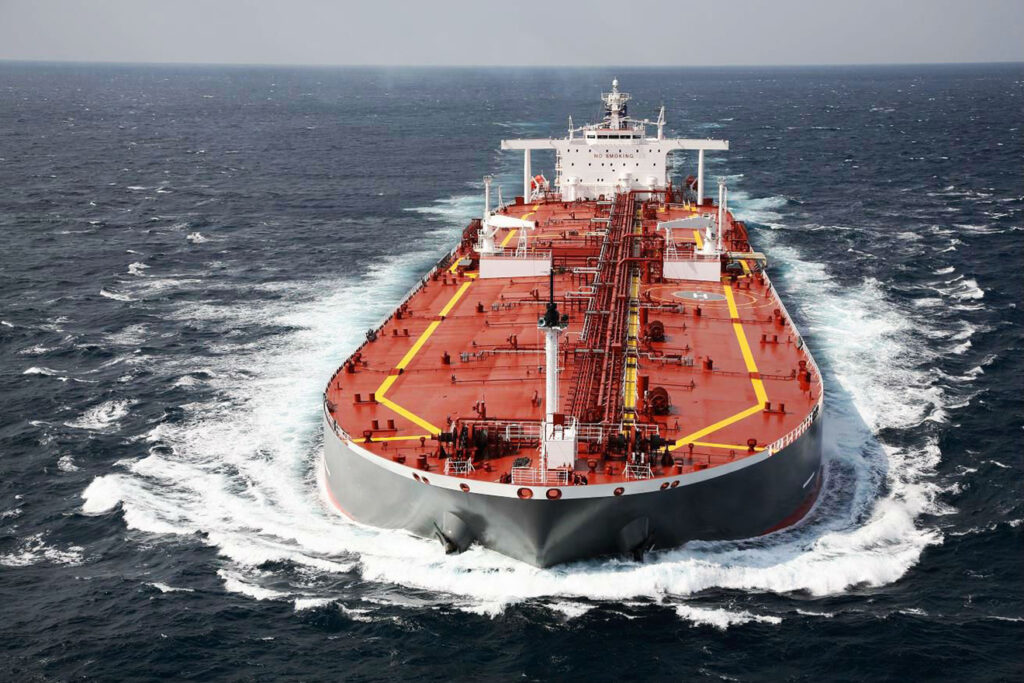
ABU DHABI, July 13 — The numbers are staggering, but the math is simple. A single Very Large Crude Carrier, packed with 2 million barrels of crude oil, is worth about $180 million at current prices. If that tanker wants to pass through the Strait of Hormuz, the new 20% toll on cargo value means its operator would hand over $36 million for the privilege of transiting.
That is the new arithmetic for one of the world’s most critical energy chokepoints. To understand what this means, think of it like a highway toll that charges a percentage of your car’s value rather than a flat fee.
The practical upshot for global energy markets is enormous. According to U.S. Energy Information Administration data from 2023, the strait handles 17 million barrels per day of crude and condensate, plus another 3 million barrels per day of refined petroleum products. That is roughly one-fifth of the world’s daily oil consumption squeezing through a channel that is only 30 meters deep in places, limiting vessel draft to 20 meters.
The daily revenue math
Here is where the numbers get eye-popping. If the toll applies to all 17 million barrels of crude passing through daily, and oil sits at $90 per barrel, the potential daily toll revenue hits $300 million. For context, the U.S. Fifth Fleet’s daily operating cost for a single carrier strike group runs about $15 million.
The toll revenue from one day of strait traffic could fund the fleet for 20 days.
LNG is the other story
The strait is not just about oil tankers. In 2023, Qatar exported 78 million tonnes of liquefied natural gas through the strait, making it the world’s largest LNG exporter. Those LNG carriers make up about 10% of strait traffic, with oil tankers accounting for 85% and container ships the remaining 5%, per the EIA data.
The insurance market has already reacted. Marsh & McLennan reports that war risk insurance premiums for strait transit have jumped from 0.1% of hull value to 0.5% after the announcement.
That fivefold increase adds millions in costs for every vessel making the passage.
What happens next
The immediate question for energy markets is whether the toll will actually stick. Enforcement is one thing; collection is another. The strait’s narrow channels and shallow depth of 30 meters mean vessels have limited room to maneuver or avoid inspection.
For American consumers, the practical upshot is that any sustained disruption or added cost in the Strait of Hormuz eventually shows up somewhere. The EIA data makes clear just how concentrated global oil flows remain through this single geographic bottleneck.
When 17 million barrels of daily crude production plus 3 million barrels of refined products all pass through one strait, the system has very little slack. Watch for how tanker operators and LNG carriers adjust their routing, and whether the insurance cost increases start getting passed through to spot cargo prices. The $36 million question for a single supertanker is whether the math still works for the voyage.




