
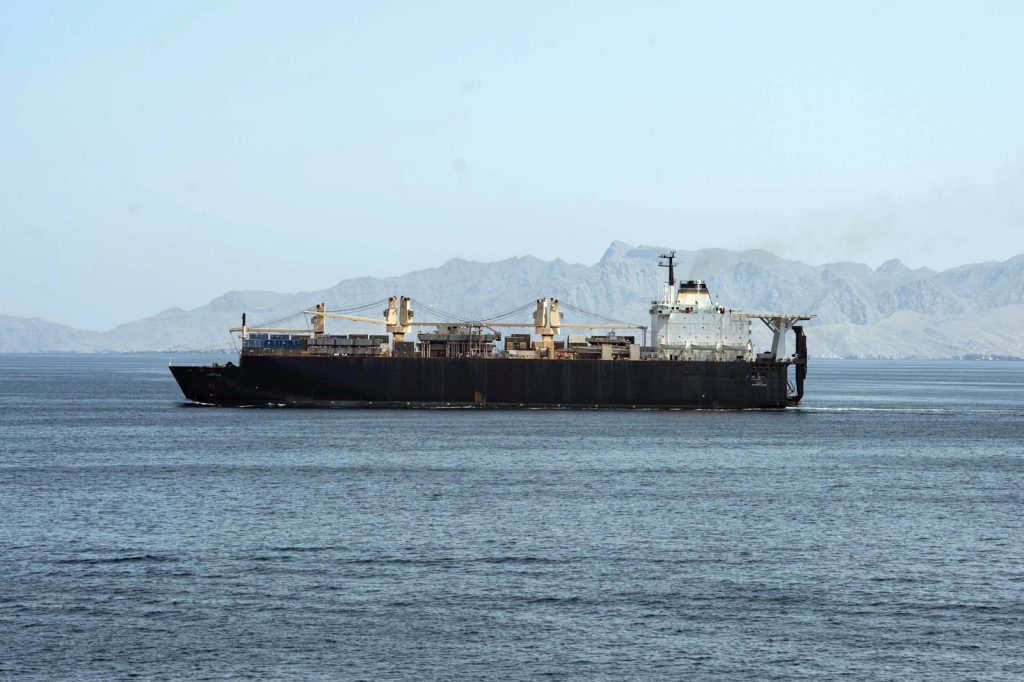
LONDON, July 13 — A proposed toll on vessels transiting the Strait of Hormuz threatens to impose a significant new cost on global oil markets, potentially adding between $2 and $3 per barrel to shipping costs for crude passing through the narrow waterway. The levy, reportedly under discussion by regional authorities, would apply to one of the world’s most strategically vital energy chokepoints.
According to the U.S. Energy Information Administration, approximately 20% of the world’s petroleum transits the Strait of Hormuz, amounting to some 17 million barrels per day as of 2023. The figure includes not only crude oil but also significant volumes of liquefied natural gas (LNG), making the strait a critical artery for multiple energy streams.
The proposed charge would represent a 20% levy on passage, a move that shipping analysts say would be passed directly to buyers. Historical price sensitivity to supply disruptions suggests that such a cost increase could raise global oil prices by an estimated 5-10% in the short term. For context, the 2019 attacks on Saudi Aramco’s Abqaiq and Khurais facilities caused a 15% spike in prices.
The toll would affect the major oil producers that rely on the strait for their exports. Saudi Arabia, Iraq, the United Arab Emirates, Kuwait, and Qatar all ship crude oil and LNG through the waterway.
Any sustained increase in their shipping costs would ripple through global supply chains, with Asian markets likely to feel the impact most acutely. China, Japan, India, and South Korea are heavily dependent on Middle Eastern oil, and each imports substantial volumes via the Strait of Hormuz. A 5-10% price rise, while not catastrophic in isolation, would compound existing inflationary pressures in many of these economies.
The International Energy Agency (IEA) has warned of potential supply disruptions arising from the situation, though it has not specified the precise nature of the risks it foresees. The salient point for markets is that the strait has long been considered a chokepoint where geopolitical friction can translate directly into higher energy costs. The 2019 attacks demonstrated how quickly and sharply prices can react to perceived threats to supply, even when actual production losses are temporary.
For all the noise surrounding the proposal, the actual implementation and enforcement mechanism remain unclear. Whether the toll would be collected by a single authority or multiple actors, and how it would be applied to the diverse range of vessels and cargoes passing through the strait, are questions that have yet to be answered.
What is clear is that the Strait of Hormuz, already one of the most heavily militarised waterways in the world, is about to become a focal point for a different kind of contest—one measured in dollars per barrel rather than naval tonnage. The IEA’s warning suggests that the agency expects the situation to evolve, and analysts will be watching closely for any signs of how the toll might be enforced, and what response it might provoke from the major consuming nations.




