
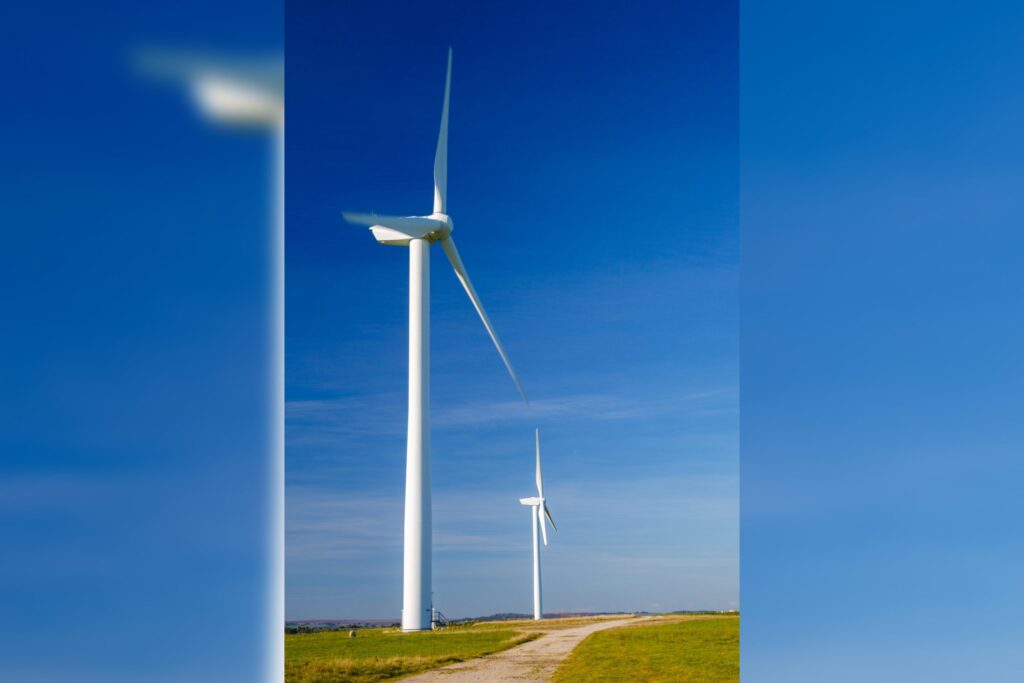
Scott W. Tinker’s piece in Real Clear Wire lands in Austin like a bucket of cold water on a hot June day. The state energy capital, built on oil and gas, now watches solar farms spread across the Hill Country and wind turbines turn on the Panhandle plains.
Tinker says the old fight — fossil fuels versus renewables — is a false choice. People here know that tension firsthand.
Texas runs on cheap electricity. That’s the deal. Homes, data centers, bitcoin miners, air conditioners that run half the year.
The grid has buckled before. Winter Storm Uri killed more than 200 people in 2021.
The state spent billions on weatherization and backup power. But the underlying problem never went away: demand keeps climbing. Tinker writes that a growing population needs more energy, and it needs that energy to be affordable and reliable.
That’s not an abstraction in the suburbs north of Dallas or the apartments south of the Colorado River. It’s a monthly bill. It’s the question of whether the lights stay on during a heat wave.
The piece doesn’t offer numbers. It offers a framework.
Tinker argues the debate has been framed as a simple choice between dirty and clean, growth and environment. That binary, he says, doesn’t exist in the real world. Energy realism is on the rise.
The public is starting to see through the false choices. Consider what that means on the ground.
Texas leads the nation in wind power. It also leads in natural gas production. Solar installations are booming.
So is oil drilling in the Permian Basin. The state doesn’t pick one. It builds everything at once.
That’s not a compromise. It’s a necessity.
Tinker’s argument lands at a moment when the conversation is shifting. Politicians in Washington still shout past each other. But in Austin, the Public Utility Commission deals with real dispatch orders.
ERCOT manages a grid that runs on gas, coal, wind, solar, and nuclear. The labels don’t help.
The physics does. Investors are watching. If energy realism reshapes corporate strategy, Texas stands to benefit.
The state has the resources and the infrastructure. What it doesn’t have is a simple answer. Tinker’s point is that nobody does.
The clean-energy transition won’t happen overnight. Tinker writes that it won’t happen if one side insists on demonizing the other.
That’s a hard lesson in a state where the energy debate gets loud. But the grid doesn’t care about slogans. It cares about electrons.
The question now is whether this shift in thinking translates into actual policy and market decisions. Texas has already moved further than most states toward a pragmatic mix.
The next step is harder. It requires admitting that the old labels were never the point. The point is keeping the lights on and the air clean.
Tinker says those goals don’t have to conflict. That’s a bet worth watching.




