
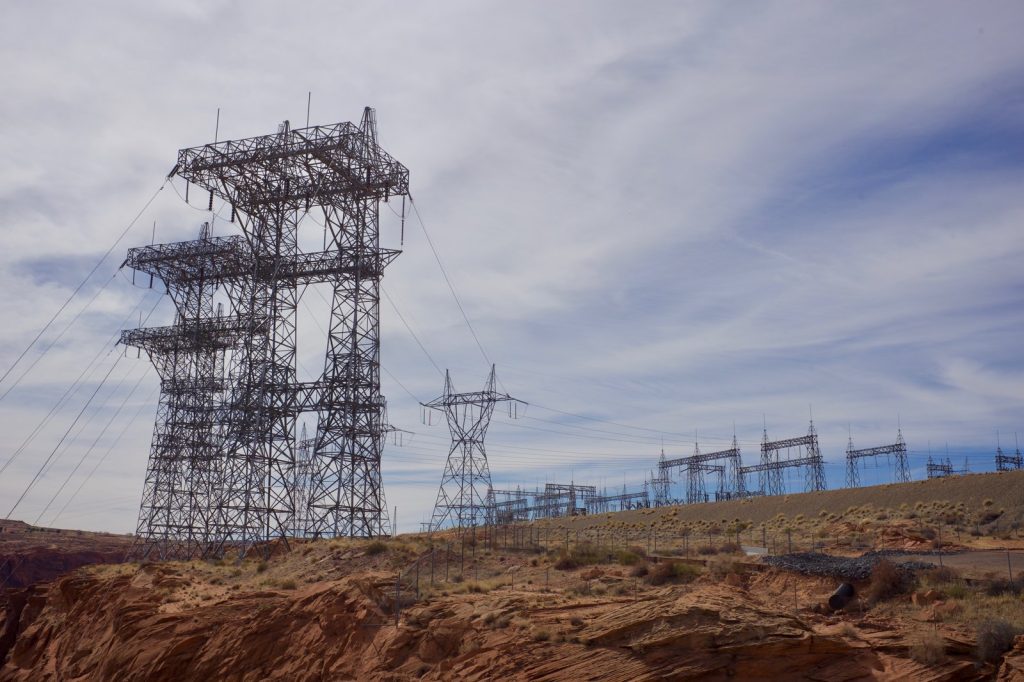
WASHINGTON, July 13 — The North American power transmission grid is not a single national network but a patchwork of three major interconnections, a structural reality that carries significant strategic implications for energy security and economic resilience across the continent. The Eastern Interconnection covers the eastern two-thirds of the United States and parts of Canada. The Western Interconnection covers the western U.S. and Canada, plus parts of Mexico.
The Texas Interconnection, known as ERCOT, covers most of Texas. These three systems are linked by only a few direct-current ties, which sharply limits the amount of power that can be transferred between them.
That limited connectivity is more than an engineering detail. It shapes the broader stakes of grid reliability during extreme weather events and peak demand periods. The lack of strong interconnections between regions can lead to inefficiencies and higher costs when demand spikes.
ERCOT’s Isolation and a Historic Failure
ERCOT is unique among the three interconnections because it is deliberately isolated from the other two to avoid federal regulation. That design choice contributed directly to its vulnerability during Winter Storm Uri in February 2021, when over 4.5 million Texas homes lost power. The event exposed the strategic risk of operating a major grid with minimal physical ties to neighboring systems that could have supplied emergency power.
Strategically, the calculus for Texas remains a subject of debate among energy analysts and policymakers. The trade-off between regulatory independence and physical resilience is not abstract; it has real consequences for millions of households and for the state’s economy.
Balancing Authorities and Reliability Oversight
The interconnections are managed by balancing authorities — organizations such as PJM, MISO, and CAISO — that coordinate generation and transmission across their regions. These entities are responsible for matching supply with demand in real time, a task that becomes far more difficult when ties between regions are weak. The North American Electric Reliability Corporation, or NERC, sets reliability standards for the grid.
But NERC’s authority is limited, and compliance is not always uniform. What this signals to market participants and state regulators is that the current architecture may not be sufficient for the demands placed on it.
Looking ahead, the question of whether to strengthen the DC ties between interconnections — or to build new ones — is likely to remain a central issue for energy policy in North America. The broader stakes involve not just reliability but also cost, competitiveness, and the strategic positioning of the U.S. energy system in an era of increasing weather volatility and rising electricity demand.
Sources
{“@context”: “https://schema.org”, “@type”: “NewsArticle”, “headline”: “U.S. Grid Interconnections: How They Operate and Why Reliability Matters”, “description”: “WASHINGTON, July 13 — The North American power transmission grid is not a single national network but a patchwork of three major interconnections, a structural…”, “datePublished”: “2026-07-13T09:30:00+00:00”, “author”: {“@type”: “Person”, “name”: “Noah King”}, “publisher”: {“@type”: “Organization”, “name”: “InfoPulse Today”, “url”: “https://newsfeed.infopulsetoday.com/”}, “citation”: [{“@type”: “CreativeWork”, “url”: “https://en.wikipedia.org/wiki/North_American_power_transmission_grid”}]}




