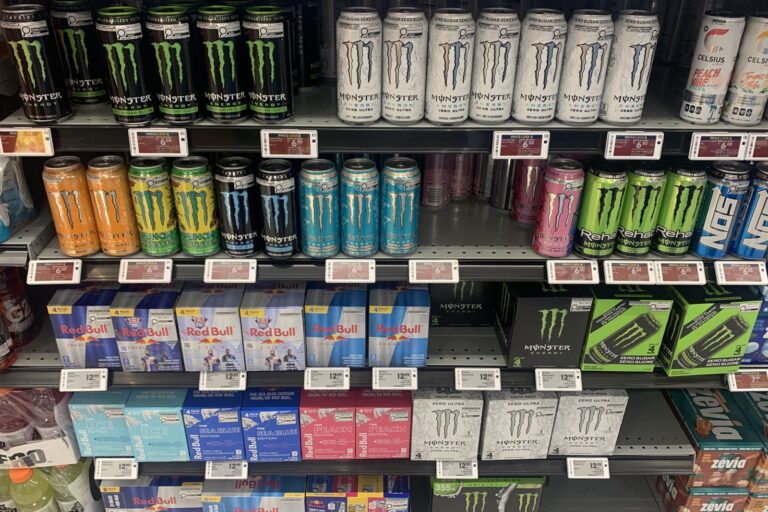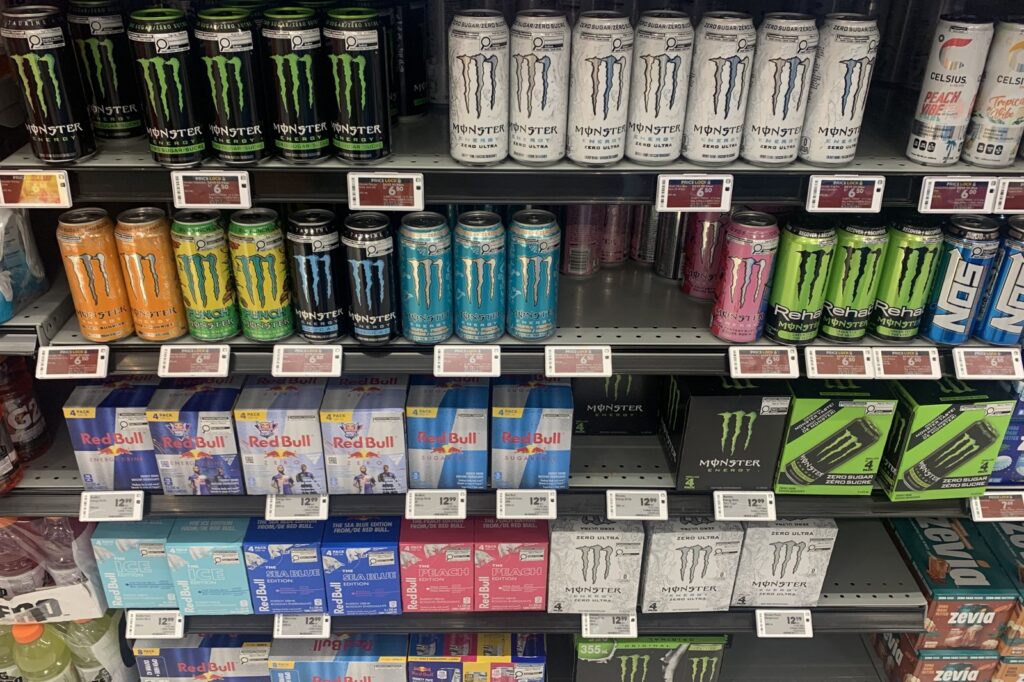
DALLAS, November 5, 2026 — A review of more than 28,000 FDA adverse-event reports found cardiac arrest reported roughly 11 times more often with caffeinated energy drinks and stimulant supplements than with non-stimulant products. The analysis, presented at the American Heart Association’s Scientific Sessions 2026, highlights a disproportionate signal among adults aged 18 to 34.
Study Design and FDA Data Scope
Researchers examined 28,345 reports submitted to the U.S. Food and Drug Administration between 2017 and 2025. They compared 854 reports involving caffeine or other stimulants against 27,491 reports for products without those ingredients, according to the American Heart Association. The data covers energy drinks, pre-workout powders, and stimulant supplements. Study author Sai Samayamanthula of the University of Virginia School of Medicine said the findings support the case for more systematic safety monitoring of caffeine- and stimulant-containing products. The research is a conference abstract and has not yet been peer-reviewed; officials noted causality is not established, only disproportionate reporting signals.
Caffeine as Primary Arrhythmogenic Driver
Heart attacks were 4.5 times more likely linked to energy drinks and stimulant supplements, while ventricular arrhythmias and palpitations were about four times more likely, data shows. Most cognitive and performance effects of energy drinks are primarily due to caffeine, with little evidence other ingredients have independent effects, according to product analyses. Some energy drinks contain as much as three times more caffeine per fluid ounce than brewed coffee, and pre-workout supplements can exceed 12 times that concentration. The 2026 American Heart Association Scientific Statement considers up to 400 mg of caffeine per day generally safe for most adults, but single large cans or supplement scoops can approach or exceed that threshold rapidly.
Taurine and Herbal Stimulants’ Synergistic Effects
Energy drinks typically combine caffeine with taurine, herbal extracts such as guarana and ginseng, and often high sugar levels. Caffeine blocks adenosine receptors, taurine modulates calcium channels, and herbal extracts contribute additional stimulant compounds, creating potential synergistic cardiovascular stress, researchers said. Pre-workout powders and stimulant supplements show similar reporting patterns to energy drinks, suggesting caffeine dose — not just beverage format — drives the risk signal.
Consumption Patterns Amplifying Toxicity
Rapid consumption of large volumes — such as 16- to 24-ounce cans — delivers high caffeine doses quickly, exceeding safe thresholds for susceptible individuals. Adults aged 18 to 34 accounted for roughly 45% of stimulant-related cardiovascular reports, a group not usually considered at high risk for such events. Healthcare professionals have described cases of arrhythmias and sudden cardiac death in young adults with no known heart disease risks who consumed these products, the company said. Sales of caffeinated energy drinks have more than doubled over the past decade, reaching over $20 billion in 2024.
Regulatory Gaps and Monitoring Needs
The FDA regulates energy drinks and stimulant supplements as foods, which subjects them to different oversight than drugs. Samayamanthula called for systematic safety monitoring and urged healthcare professionals to ask younger patients with palpitations, chest pain, or fainting spells about recent or regular consumption of these products. Eastroc Beverage, China’s largest energy drink maker by revenue, saw core energy drink revenue growth slow to 7% in the first half of 2026 from 22% a year earlier, reflecting market headwinds amid health scrutiny.
Sources
- Energy drink
- Energy drinks, stimulant products linked to cardiac arrest, heart attack in young adults
- Study links energy drinks to risk of cardiac arrest
- Do You Rely on Energy Drinks to Get Through the Day? Scientists Have a Warning About Your Heart – North American Community Hub
- Beverage Billionaire Lin Muqin’s Wealth Flattens As Sales Of Energy Drinks Lose Fizz
- Energy Drinks May Raise Risk Of Serious Heart Problems, Study Finds
Photo: Coolgurl5555 (CC0)