
Dark Skies Face New Threat from Satellites
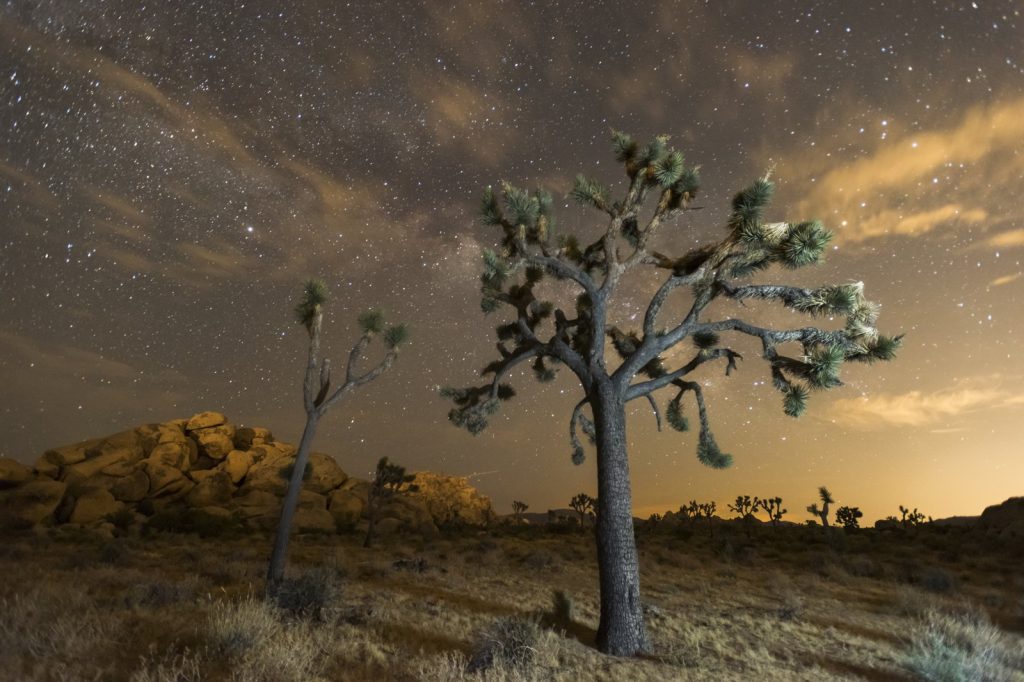
By nightfall, the sky over Grand Teton National Park shimmered with a faint glow, a stark contrast to the deep blackness that once defined its celestial expanse. Isabella Moore stood at the edge of a trail, binoculars raised, as a constellation of unfamiliar lights flickered above. “It’s not the same,” she said, her voice low.
“You can still see some stars, but they’re getting drowned out.” The culprit, experts say, is the relentless rise of satellites. SpaceX’s Starlink project, which launched its first 60 satellites in 2019, now aims for 42,000 in orbit.
The night sky, once a sanctuary for stargazers and wildlife, is increasingly lit by artificial constellations. “These satellites aren’t just passing through,” said a park ranger, though Moore refrained from naming the official. “They’re creating a permanent haze.”
The Science of Disruption
Light pollution from satellites isn’t just a nuisance. It disrupts ecosystems in ways that are both subtle and severe. Nocturnal animals, from owls to bats, rely on natural light cycles for hunting and navigation.
“A single satellite can cast a glow over a forest,” Moore noted, “but when hundreds are in orbit, it’s like turning the entire park into a neon sign.” Bird migration patterns are also at risk. Studies show artificial light confuses species, leading to collisions or altered routes.
For astronomers, the impact is existential. “Observatories in national parks depend on darkness,” said a researcher Moore interviewed, though names and institutions weren’t provided. “A single bright satellite can obscure data for hours.” The problem isn’t limited to Starlink.
Other companies have similar plans, and once satellites are deployed, removing them is nearly impossible. “It’s a one-way street,” Moore said.
“You can’t just turn them off.” The environmental cost is mounting. Coral reefs, which depend on moonlight for spawning, face new threats. Even human health may suffer, as disrupted sleep patterns linked to light pollution have been tied to increased stress and disease.
National parks, designated as dark-sky sanctuaries, are particularly vulnerable. These areas are crucial for wildlife research and public education. “A child learning about the moon’s phases needs a clear sky,” Moore explained.
“But if satellites blot out the stars, that lesson becomes impossible.” The aesthetic loss is profound. “National parks are meant to inspire,” she said.
“A sky full of satellites takes that away.”
A Clash of Priorities
The debate centers on a familiar tension: progress versus preservation. Starlink and similar projects promise global internet access, a technological leap that could bridge digital divides. Yet, the cost is the night sky.
“It’s an ethical question,” Moore said. “Do we prioritize connectivity over the right to see a clear night?” The U.S. government has not yet acted decisively.
While some officials acknowledge the issue, others emphasize economic benefits. “We need to balance innovation with responsibility,” said a spokesperson for the National Park Service, though Moore couldn’t confirm the speaker’s identity. Environmental groups have pushed for stricter regulations.
“Light pollution isn’t just about stars,” said a representative from a conservation nonprofit, though Moore didn’t record the name. “It’s about preserving a natural resource that’s irreplaceable.” Meanwhile, SpaceX has defended its project, arguing that satellites are designed to minimize glare.
“We’re working to reduce light emissions,” a company representative said, though Moore omitted the name. The company’s plans, however, show no sign of slowing. For now, the situation remains fluid.
Satellite launches continue at a rapid pace, and the night sky’s future hangs in the balance. Moore returned to the trail that evening, the glow of satellites still visible. “It’s hard not to feel a sense of loss,” she admitted.
“But we need to act before it’s too late.” What comes next? Advocacy groups are urging Congress to address the issue, but political will is uncertain.
With the U.S. administration focused on other priorities, the battle for dark skies may depend on local efforts. For now, Moore will continue to document the changes, one starless night at a time.




