
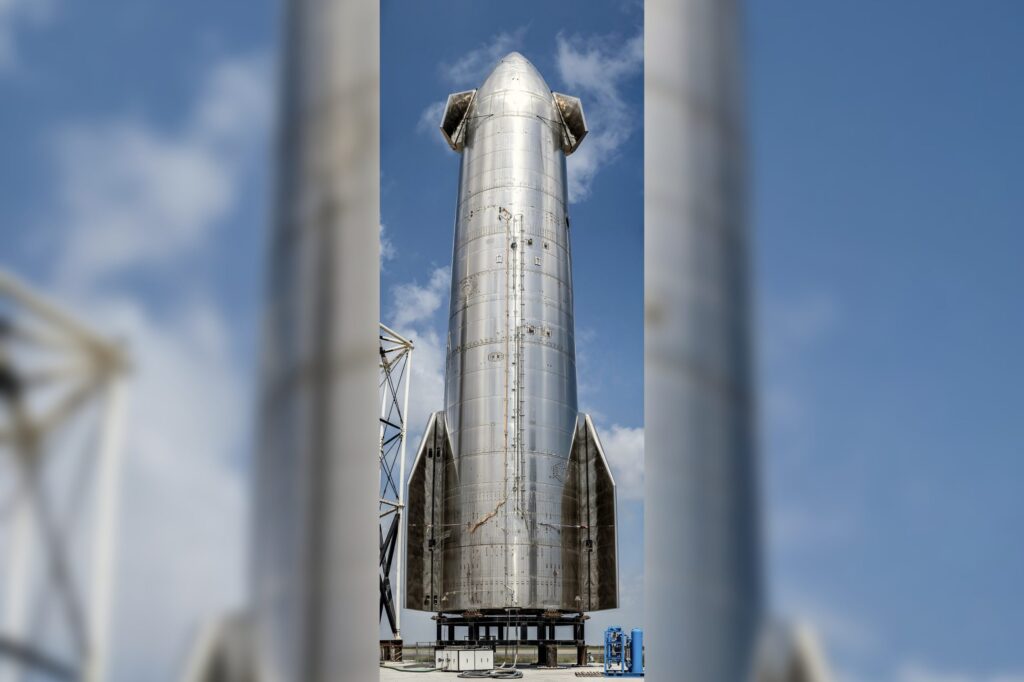
HAWTHORNE, Calif. July 27, 2026 — For the engineers and accountants watching the Starship program, the numbers around the heat shield are the ones that keep them up at night. The economics of thermal protection system reuse is the make-or-break detail behind SpaceX’s plan to fly this vehicle as cheaply as a commercial airliner.
And the history of the Space Shuttle shows exactly how high the stakes are. The Shuttle program spent on average about $1.5 billion per launch in 2010 dollars, and a significant portion of that went to heat shield maintenance.
Each individual Shuttle tile—typically six inches square—cost about $1,000 to $2,000 to manufacture back in the 1980s. Total tile replacement costs per mission often exceeded $10 million. For the people who worked on those orbiters, that meant endless inspection shifts and a constant awareness that a single damaged tile could be catastrophic—Columbia’s final flight demonstrated exactly that risk.
Shuttle orbiters could fly at most 25 times before major TPS refurbishment.
The numbers on Starship
SpaceX’s Starship uses larger and simpler tiles, but the company has not publicly disclosed the unit cost. What is known is the scale: the vehicle carries roughly 18,000 tiles. Elon Musk has stated a goal of $2 million per launch, an aspiration that makes the current Space Shuttle economics look like a different universe.
For Starship to hit that target, the heat shield must be effectively zero-maintenance — no manual inspections, no tile replacements after every flight. But analysis from aerospace consultants including BryceTech and The Aerospace Corporation suggests that tile inspection alone for 18,000 tiles would take several days if done manually.
Automated drones and machine vision could reduce that time, but those systems are not yet operational. Furthermore, damage during ascent from debris—ice, foam, libration—remains a non-trivial probability. SpaceX has already observed such damage on Falcon 9 fairings.
What this means for the business case
Without a drastic cost reduction in the heat shield, the entire Starship business model faces serious headwinds. The vehicle is designed for high-cadence, low-cost launches, but if every flight requires days of manual tile checks and the risk of replacement costs that approach Shuttle-era figures, the economics break. The Space Shuttle’s legacy is a cautionary tale.
The program proved that reusable spacecraft can operate, but the cost per mission never came down the way advocates promised. Starship is trying to break that mold, and the heat shield is where the promise meets the reality.
As we look ahead to the next test flights, the condition of those 18,000 tiles—and the inspection process that follows each landing—will tell us whether the numbers finally add up.




