
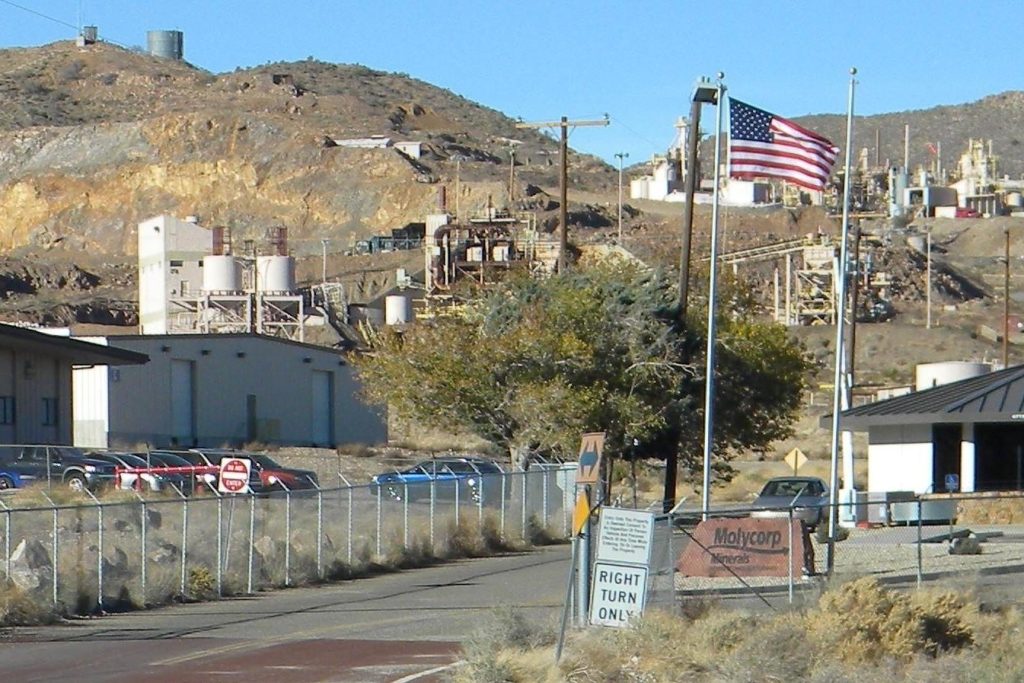
MOUNTAIN PASS, Calif., July 14 — 43,000 metric tons. That is the figure that matters for the Mountain Pass rare earth mine’s 2023 production, according to the USGS. The San Bernardino County facility remains the only operating rare earth mine in the United States, and by the numbers, it is the centerpiece of America’s effort to rebuild a domestic supply chain for the 17 elements critical to everything from smartphones to fighter jets.
The bottom line: Mountain Pass was originally opened in 1952 by Molycorp and became the world’s leading rare earth producer until the 1990s. It closed in 2002 after a 1998 pipeline rupture released radioactive wastewater into the Mojave Desert, which drew a $1.4 million fine from the EPA.
The mine sat idle for 15 years.
New owners, new numbers
In 2017, MP Materials, a private equity-backed company led by CEO James Litinsky, acquired the mine and restarted operations. Investors will note that MP Materials reported revenue of $523 million in 2022, primarily from sales of rare earth concentrates. The company is publicly traded on the New York Stock Exchange under the ticker MP.
The mine holds estimated reserves of 2.5 million metric tons of rare earth oxides, according to company filings. It produces bastnäsite ore, which contains thorium and uranium byproducts — a fact that keeps environmental regulators watching closely.
The China link
Here is the catch: MP Materials ships rare earth concentrates to China for processing. That is a vulnerability the company is actively trying to fix. The company is building a downstream separation facility at Mountain Pass, backed by a $35 million grant from the U.S. Department of Defense awarded in 2022.
MP Materials also operates a magnet manufacturing plant in Fort Worth, Texas, which began production in 2023. The idea is to keep more of the value chain — and the strategic control — on American soil.
Environmental record
Environmental concerns persist. Water usage and tailings management remain live issues at the site. In 2020, MP Materials agreed to a $2.5 million settlement with the EPA for Clean Water Act violations.
That followed the earlier $1.4 million fine from the 1998 pipeline rupture under Molycorp’s ownership. The combination of radioactive byproducts, desert water use, and past violations means the mine operates under a long regulatory shadow.
For a clean-planet perspective, the question is whether a domestic rare earth supply chain can be built without repeating the environmental mistakes that shut the mine down in the first place. What to watch next: Completion of the downstream separation facility at Mountain Pass and whether MP Materials can scale its Texas magnet plant to reduce dependence on Chinese processing. The 43,000-metric-ton production figure from 2023 will be the benchmark to beat.




