
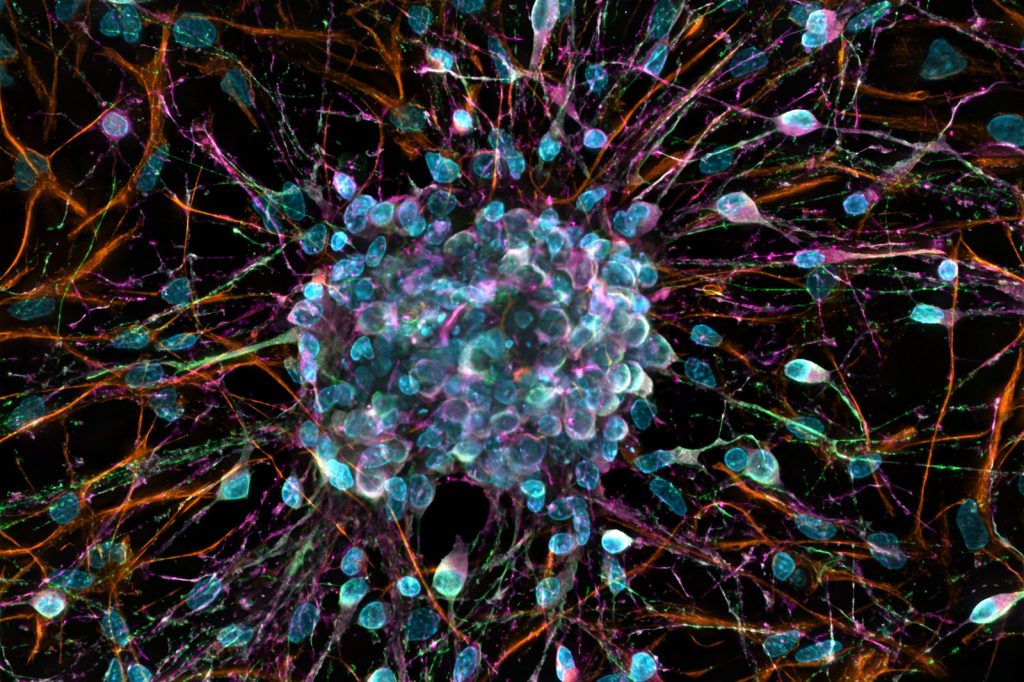
The feeling of fullness that follows a meal originates not in the stomach alone but through a chain of neural signals that begin with specialized sensors in the stomach wall. These sensors, known as gastric stretch receptors, are a type of mechanoreceptor that detect distention of the stomach wall. When the stomach expands during eating, these receptors fire and send signals along afferent nerve fibres to the medulla, the lower part of the brain stem.
The medulla processes that input as part of the complex sensation of satiety, allowing the brain to interpret how much the stomach has stretched and contributing directly to the perception of being full.
The Body’s Network of Stretch Receptors
Stretch receptors as a class are mechanoreceptors that respond to the distention of various organs and muscles throughout the body. They are neurologically linked to the medulla via afferent nerve fibres. Different types of stretch receptors serve different functions.
For example, the Golgi organ monitors tension in tendons, while the muscle spindle, a sensory receptor within the belly of a muscle, primarily detects changes in muscle length. Pulmonary stretch receptors are mechanoreceptors located in the lungs, and chordotonal organs perform similar roles in insects.
Beyond these, the body also relies on stretch receptors around the carotid artery, where they monitor blood pressure and stimulate the release of antidiuretic hormone (ADH) from the posterior pituitary gland. In the context of this story, gastric stretch receptors play a specific role in the experience of satiety. These gastric receptors are distinct from other types, yet they share the fundamental mechanism of detecting physical stretch and relaying that information to the central nervous system. The medulla in the brain stem receives input from gastric stretch receptors through afferent nerve fibres.
This pathway helps the brain interpret how much the stomach has expanded during a meal. When the stomach wall stretches, the receptors fire, and the medulla processes that information as part of the complex sensation of being full.
Patients who experience alterations in this signalling may benefit from consulting a doctor for medical advice.
Central Integration and Homeostasis
The brain is the central organ of the nervous system in vertebrates and most invertebrates, responsible for processing sensory information, coordinating movement, and regulating bodily functions. In vertebrates, the brain develops from the dorsal nerve cord and is divided into the forebrain, midbrain, and hindbrain, with the spinal cord extending its control throughout the body.
This centralized architecture allows the brain to manage complex responses to both internal and external stimuli. Stretch receptors are part of this broader system, detecting distention in organs and muscles and relaying signals to the medulla in the brain stem. The brain is the organ that receives and interprets these signals, enabling functions such as satiety, blood pressure regulation, and muscle coordination.
Understanding how the brain processes such signals helps explain fundamental bodily sensations, including the feeling of fullness after eating. This context highlights the brain’s role in integrating information from stretch receptors to maintain homeostasis and guide behavior.
By coordinating signals from gastric stretch receptors, the brain ensures that the body responds appropriately to food intake, balancing energy needs with the mechanical limits of the digestive system. This neural mechanism represents one of many ways the body maintains internal stability, demonstrating the intricate interplay between peripheral sensors and central command structures.
Sources
- Satiety Signaling: Why Your Hunger… | Zvia Weight Loss & MedSpa
- What Makes You Feel Hungry or Full? How the Body Regulates…




