
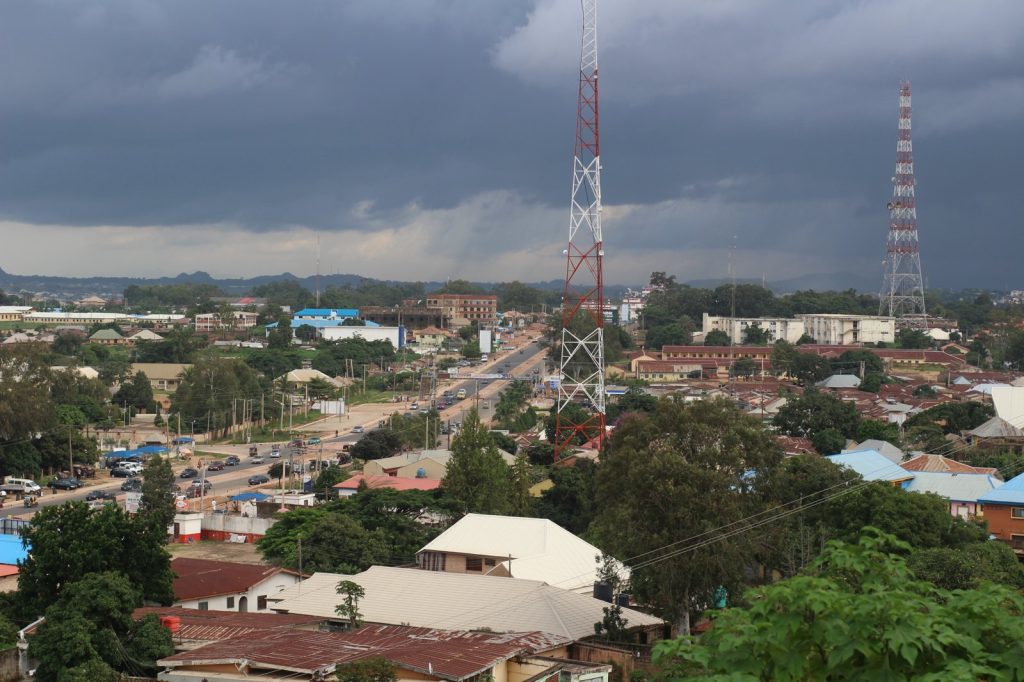
On July 12, 2024, a school building in Jos, the capital of Nigeria’s Plateau State, collapsed, killing at least 22 children and injuring 132 others. The disaster has sent a wave of grief through the community and sparked urgent calls for stricter building safety measures. Rescue teams worked through the day to pull survivors from the rubble, while medical personnel treated hundreds of wounded pupils. Families of the victims gathered at the site, mourning the loss of their children and confronting the stark reality that a structure meant to protect them failed catastrophically.
Authorities have announced that a full investigation will be launched to establish the cause of the collapse. Officials say the inquiry will examine possible design flaws, construction errors, and the quality of materials used in the school’s construction.
Findings from the probe are expected to guide future efforts to prevent similar incidents. The tragedy underscores the broader issue of structural integrity in Nigeria’s built environment. Engineers stress that understanding past failures is essential for creating safer, more resilient buildings.
By analysing why a structure gave way, professionals can identify weaknesses, improve design standards, and adopt construction practices that ensure a building can bear its own weight and the loads placed upon it. Experts point to the need for regular inspections, ongoing maintenance, and strict enforcement of building codes as vital steps toward safeguarding public structures.
When such safeguards are ignored, the consequences can be fatal, as demonstrated by the Jos school collapse. Beyond immediate safety concerns, the incident has prompted discussion about the role of sustainable infrastructure in enhancing resilience. Advocates argue that shifting to renewable energy sources can lessen environmental stresses that sometimes compromise building integrity.
Cleaner power reduces strain on electrical grids, potentially lowering the risk of outages that might damage structures. Moreover, the push for greener construction materials and techniques could lead to stronger, more durable schools and other public facilities.
Community leaders in Jos have called for a collective response, urging government officials, architects, engineers, and citizens to work together in rebuilding efforts that prioritize both safety and sustainability. The loss of so many young lives serves as a painful reminder that children are among the most vulnerable members of society, and their protection must be central to any infrastructure policy. While the nation mourns, the incident has also highlighted the urgent need to assess the condition of schools and other public buildings across Nigeria.
Stakeholders are being asked to review existing structures, ensure compliance with safety standards, and allocate resources for necessary repairs or upgrades. In the weeks ahead, the focus will remain on supporting the families affected, providing medical care to the injured, and delivering transparent updates from the investigative team.
The hope is that the lessons learned from this calamity will drive concrete reforms, leading to a future where school buildings are safe havens rather than sources of danger. As Jos begins the long process of healing, the tragedy stands as a call to action: to reinforce the foundations of the built environment, to embed rigorous safety protocols, and to pursue sustainable practices that protect both people and the planet.




