
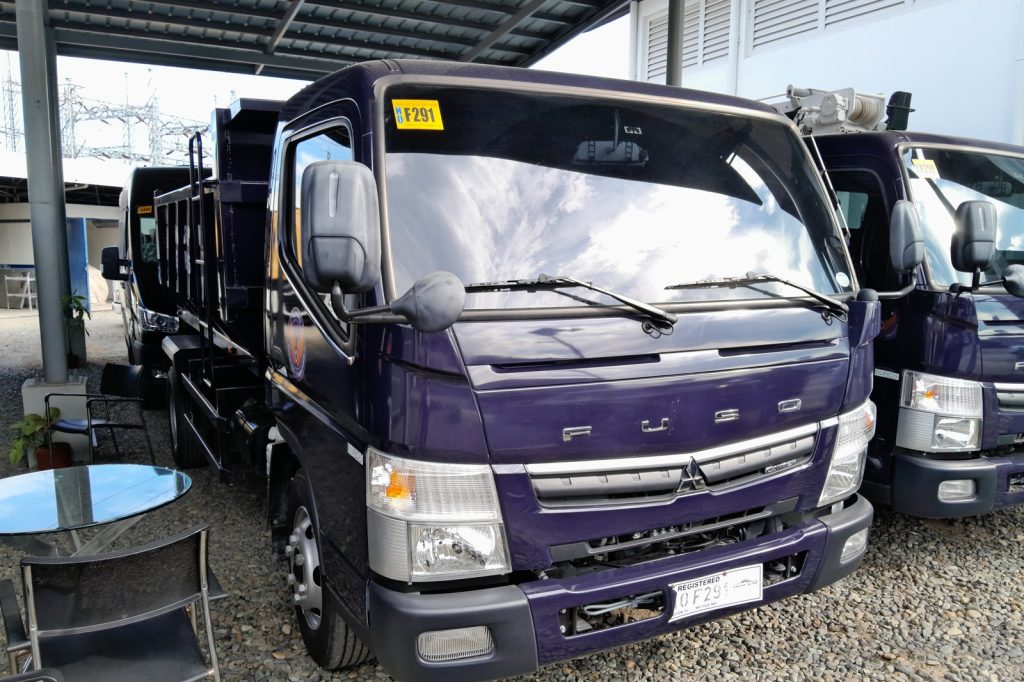
On June 27, 2025, a mini dump truck overturned while returning from an environmental project in Silay, Negros Occidental. The vehicle was government‑owned and carried city government personnel. Seven people died and eighteen were injured in the crash.
Casualties and Load
Authorities reported that at least twenty‑five occupants were aboard the truck at the time of the overturn. This number far exceeds the typical capacity of a mini dump truck, which is engineered to haul dirt, gravel, or demolition waste rather than passengers.
The open‑box design that provides utility for material transport lacks seatbelts, a roll cage, or any protective structure for human riders.
Context of the Trip
The crew had just completed an activity linked to waste management or conservation and was heading back to the city hall when the accident occurred. Silay, a municipality of roughly 130,000 residents, lost seven municipal employees in a single incident.
Each victim held a specific role within city services, affecting areas such as permitting, sanitation, and the routine functioning of local government.
Impact on Survivors
The eighteen injured face months of recovery, with the possibility of incomplete healing. Their rehabilitation will require medical attention and time away from work, adding to the strain on the department’s remaining staff.
Investigation and Legal Aspects
The city government has launched a standard investigation into the cause of the rollover. Investigators will examine factors such as mechanical failure, driver error, overloading, and road conditions.
Under Philippine labor law, the deaths are compensable, but financial compensation cannot replace a lost breadwinner or the expertise of experienced personnel.
Broader Safety Concerns
The incident highlights a pattern seen across the Philippines: mini dump trucks are frequently used to transport workers during environmental clean‑ups, tree‑planting drives, and waste‑collection missions because they are cheap, durable, and versatile. However, using them as passenger carriers creates significant risk, a danger that is often underestimated.
Potential Policy Responses
National agencies may respond to the tragedy. The Department of the Interior and Local Government could issue new guidelines for transporting government staff, while the Department of Environment and Natural Resources might review its own transport protocols. Any resulting paperwork, however, does not prevent a rollover; effective prevention requires engineering solutions and proper vehicle selection.
Conclusion
If the inquiry determines that the mini dump truck was never intended to carry people, the logical step is to prohibit such use and allocate resources for dedicated personnel carriers. This would involve additional spending, procurement processes, and time.
Meanwhile, families of the seven deceased are arranging funerals, the eighteen injured are planning rehabilitation, and the city of Silay awaits the findings of its investigation, continuing the cycle of tragedy and response that repeats until another accident forces a fresh examination of safety practices.




