
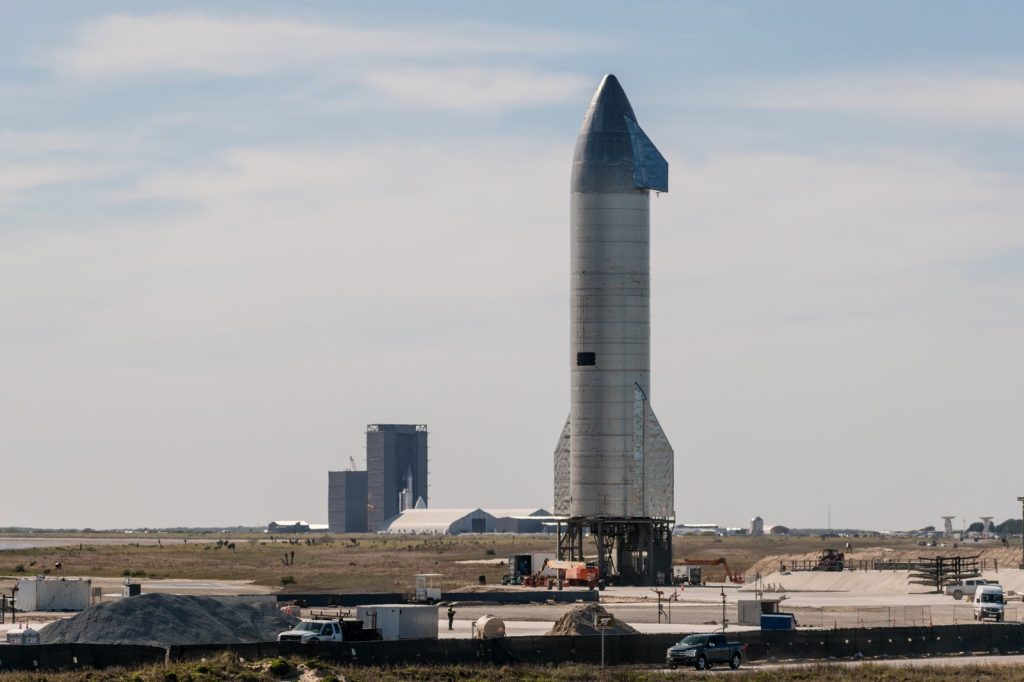
The Federal Aviation Administration has opened a safety review of SpaceX’s Starship, a regulatory step that introduces fresh uncertainty into the launch schedule for the massive reusable rocket. The review follows the first orbital test flight of Starship on April 20, 2023, which ended in an explosion just four minutes after liftoff.
A second test flight has been tentatively scheduled for November 2023, but sources familiar with the regulatory process indicate the timeline remains contingent on the outcome of the FAA’s examination.
Regulatory Review and Its Implications
The FAA’s safety review comes in direct response to the April 20 mishap, according to the record. The first orbital attempt ended prematurely when the vehicle exploded, drawing heightened scrutiny from federal regulators. The review could further delay the next launch, the agency’s filing states.
Although SpaceX continues to prepare for a November 2023 test flight, exactly when that launch might occur is uncertain while the FAA assesses any safety issues identified during the initial flight. Starship is a two-stage, fully reusable super-heavy-lift launch vehicle.
It consists of a spacecraft and a booster powered by engines that burn liquid oxygen and liquid methane. Both stages are designed to land vertically for reuse. SpaceX began conceptualizing a reusable heavy-lift vehicle in 2005, and the current design and name emerged in 2018.
The company uses an iterative development process that involves building many prototypes and conducting frequent test flights. This approach aims to lower launch costs through mass production and reuse, and if successful, Starship would become the first fully reusable orbital rocket.
It is designed to offer the highest payload capacity of any launch vehicle, capable of carrying crew and cargo, though missions beyond low Earth orbit require refueling in space.
Starship’s Central Role in Artemis
The vehicle is central to SpaceX’s long-term plans, including missions to Mars and NASA’s Artemis program. In 2021, NASA awarded SpaceX a $2.9 billion contract for Starship’s role in that program. The agency’s Artemis III mission, planned for 2025, depends on Starship for the lunar lander.
This dependency creates a tight timeline for SpaceX; any significant delays in Starship’s development could have cascading effects on the Artemis schedule. Because NASA relies on the system for lunar landings, development delays affect the timeline for deep space exploration.
Starship is also intended to succeed the Falcon 9 and Falcon Heavy rockets, and it supports plans for deploying large satellites. The competitive landscape in the super-heavy-lift launch market is shifting. Delays in Starship’s development could allow Blue Origin to compete for future contracts, according to the record. The success of Blue Origin’s New Glenn rocket, if it proves operational, may pressure SpaceX to accelerate Starship development.
The Artemis III mission, with its 2025 target, remains a key driver for both companies.
Program Stakes and Next Steps
The next test flight, scheduled for November 2023, will be closely watched. The FAA safety review will determine whether that timeline holds. For now, the record shows a program under regulatory scrutiny, with significant contractual obligations and competitive pressures shaping its path forward. SpaceX’s iterative development model has historically tolerated failures as learning opportunities, but the FAA’s review introduces a formal regulatory gate that must be cleared before the next launch attempt.
The outcome of that review, combined with the status of Blue Origin’s New Glenn, will influence not only Starship’s immediate schedule but also the broader architecture of America’s lunar exploration efforts.




