
GENEVA, July 14 — The finite geography of space is governed by a single number: 35,786 kilometers. That is the altitude above Earth’s equator where a satellite can match the planet’s rotation, hovering over the same spot on the ground indefinitely. This band of real estate, known as geosynchronous orbit, or GEO, has become one of the most valuable and congested zones in human activity.
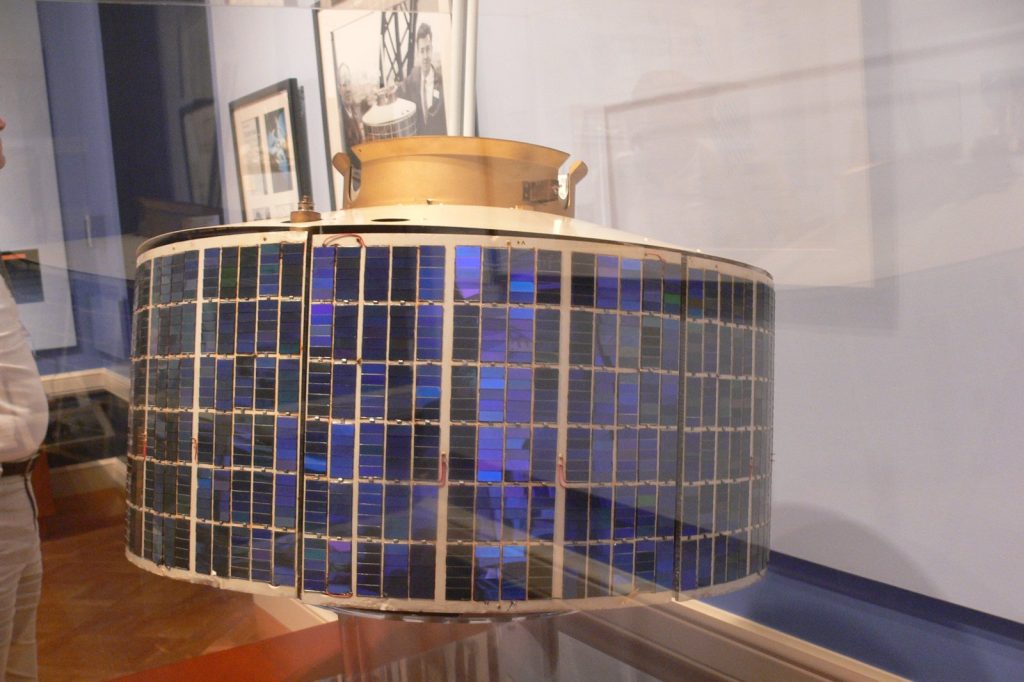
The record shows that the first satellite to occupy this orbit was Syncom 3, launched in 1964. Since then, the zone has filled rapidly.
According to current tracking data, more than 500 active satellites now operate in GEO, a fleet that includes spacecraft owned by commercial operators Intelsat and SES, as well as constellations operated by the U.S. military.
How the orbit works
A satellite in GEO circles Earth at the same speed as the planet’s rotation. To an observer on the ground, the satellite appears fixed in the sky. That stability makes the orbit uniquely suited for communications, television broadcasting, and weather monitoring.
But the orbit’s utility is also its vulnerability. The orbital slots are a finite resource.
The International Telecommunication Union assigns these positions to nations. Slots are spaced approximately 0.1 degrees apart, a separation designed to prevent interference between neighboring satellites. On the timeline of space operations, GEO presents a unique debris problem.
Unlike low Earth orbit, where atmospheric drag gradually pulls defunct satellites down to burn up, GEO has no such natural cleaning mechanism. Objects placed there can remain for centuries.
The orbit is now home not only to active spacecraft but to defunct satellites and debris fragments, all occupying the same valuable region.
Tracking what is up there
The U.S. Space Command maintains a catalog of objects in GEO. However, sources acknowledge that many smaller pieces of debris remain untracked. The gap between what is cataloged and what is actually present represents a significant blind spot for satellite operators and national security agencies alike.
For operators such as Intelsat and SES, and for military users of the orbit, the growing debris field raises the risk of collisions. A collision in GEO would not only destroy an active satellite but could generate a cloud of fragments that would threaten neighboring slots for generations.
The regulatory framework, managed through the ITU, provides the only mechanism for orderly allocation of this orbital resource. The orbit remains a domain where the rules of access are clear, but the rules of cleanup are not.




