
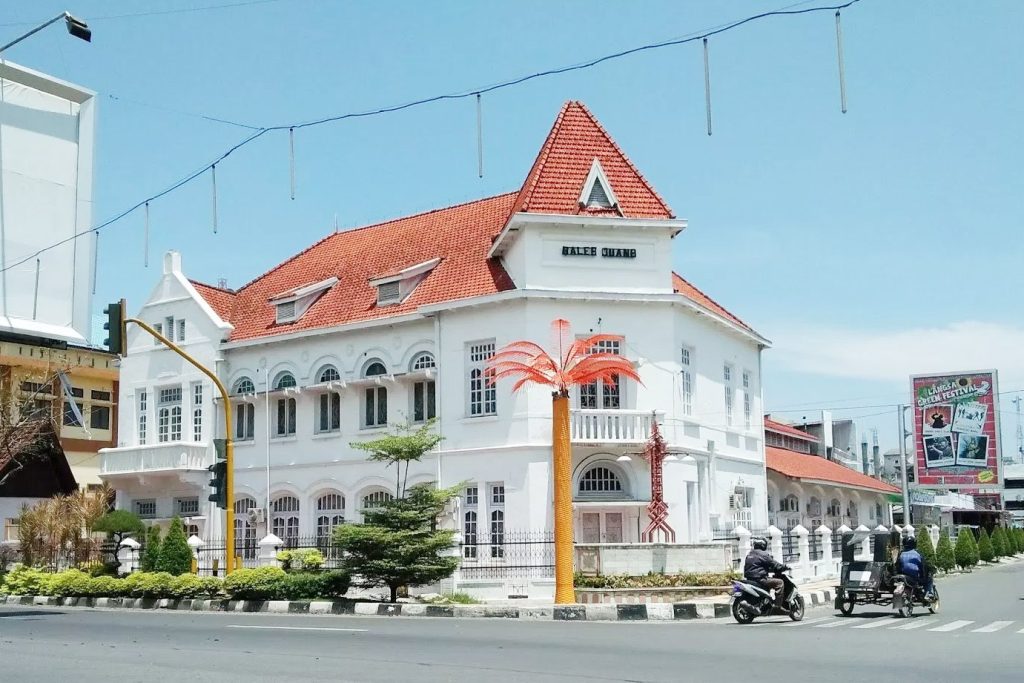
BANDA ACEH, July 22 — A magnitude 5 earthquake struck 55 kilometres west-southwest of Langsa, Indonesia, early this morning, according to the U.S. Geological Survey (USGS). The quake occurred at 04:18 UTC at a depth of 10 kilometres. No tsunami warning was issued.
The event was shallow — less than 70 kilometres deep — meaning the shaking at the surface would have been more intense than from a deeper earthquake of the same magnitude. Earthquakes in the magnitude 5 range are considered moderate, and can produce minor to moderate damage near the epicentre.
Early findings suggest that at least three people reported feeling the tremor, a number that may rise as more accounts come in. For those in the affected area, the encouraging part is that no tsunami warning followed. However, seismologists note that aftershocks are common after an earthquake of this size and may continue for days or even weeks.
Residents are generally advised to remain prepared for further shaking.
Shallow Depth, Moderate Impact
The depth of 10 kilometres places this squarely in the shallow category. In seismology, the depth of an earthquake is critical. A shallow quake of magnitude 5 releases its energy closer to the surface, amplifying ground motion.
Deeper events of the same magnitude, by contrast, tend to dissipate energy before reaching populated areas. The USGS detected this event through its real-time global seismic monitoring network, which tracks tremors worldwide round the clock.
While a magnitude 5 earthquake is not considered major, it can still rattle structures and cause items to fall from shelves. Patients in hospitals or clinics near the epicentre may have felt the shaking. Those with ongoing health concerns — especially anyone with mobility issues or anxiety triggered by tremors — should talk to their doctor about preparedness plans.
Seismic History of the Region
The area is seismically active. Over the past two decades, at least 214 earthquakes of magnitude 5.0 or greater have been recorded within about 300 kilometres of this location. The strongest among them was a magnitude 7.8 quake in 2010.
That event underscores the region’s long history of tectonic activity, which stems from the collision of several major plates beneath the Indonesian archipelago. The USGS continues to monitor the area for additional activity.
Aftershocks can sometimes be nearly as strong as the initial quake, though they typically diminish in frequency and intensity over time. For now, the early data suggests this was a moderate event with limited felt reports, but the situation warrants attention. Residents in Langsa and surrounding communities are urged to stay alert.
Anyone with concerns about building safety or medical needs following the shaking should consult with local authorities or their healthcare provider. The encouraging part is that monitoring systems are in place, and the data emerging so far points to a contained event.
As always, preparation and calm response remain the best tools.




