
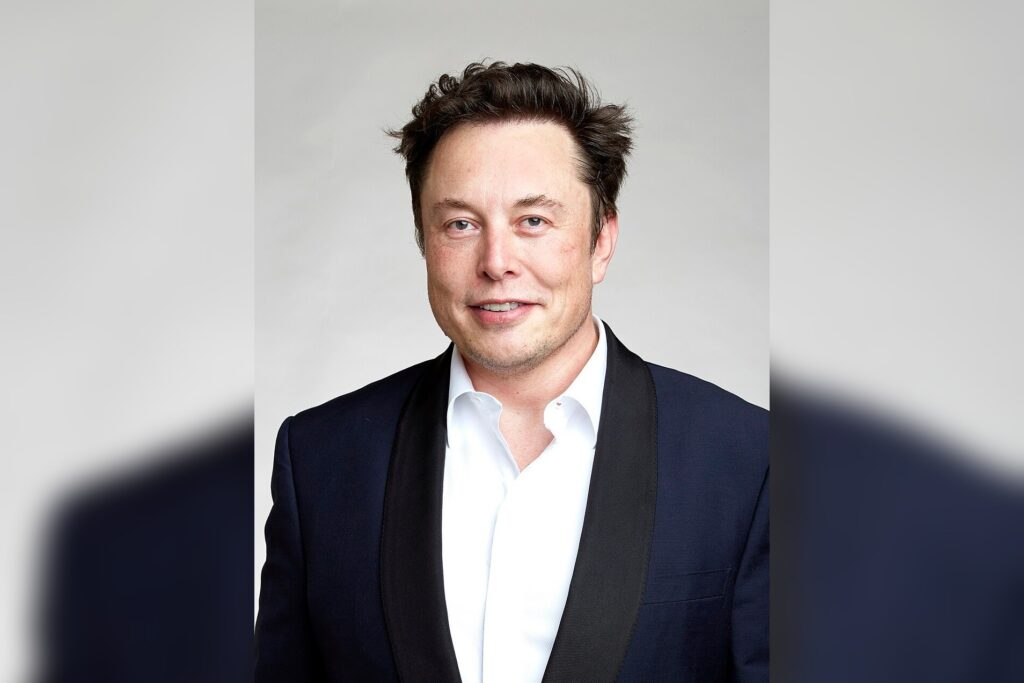
WASHINGTON, July 15 — The long-standing rivalry between Elon Musk and Jeff Bezos, two of the world’s most prominent technology entrepreneurs, has deep roots in the early days of private space exploration. Both men founded their respective space companies within two years of each other, setting the stage for a competition that has spanned more than two decades. Musk founded SpaceX in 2002, while Bezos had already established Blue Origin in 2000.
Their first known public disagreement came in 2004, when the two clashed over rocket technology. That early dispute foreshadowed a pattern of competition that would intensify as both companies sought to establish themselves in the emerging commercial space sector.
Competition for NASA Facilities
A significant turning point arrived in 2013, when SpaceX and Blue Origin both sought a lease at NASA’s Kennedy Space Center. The prize was Launch Complex 39A, a historic site used during the Apollo and Space Shuttle programs. SpaceX ultimately won that lease, a victory that gave the company access to one of the most valuable launch pads in the United States.
The rivalry extended into legal territory in 2014, when SpaceX filed a patent challenge against Blue Origin. This move reflected the broader corporate competition between the two companies, as both sought to protect their technological innovations and market positions.
Rocket Landing Milestones
Both companies achieved significant technical milestones in 2015. Blue Origin successfully launched and landed its New Shepard rocket, demonstrating the ability to reuse a rocket after a suborbital flight. Later that same year, in December 2015, SpaceX achieved its first successful rocket landing, a breakthrough that had eluded many in the aerospace industry.
The competition escalated further in 2021, when SpaceX and Blue Origin became embroiled in a lawsuit over NASA’s Human Landing System contract. That legal battle centered on which company would build the lunar lander for NASA’s Artemis program, a contract ultimately awarded to SpaceX.
Broader Implications
The personal competition between Musk and Bezos reflects their broader corporate ambitions in space and technology. Both entrepreneurs have built companies that extend far beyond rocketry — Musk with Tesla and other ventures, Bezos with Amazon and other holdings — but their space companies remain a central focus of their rivalry. Industry observers continue to watch how this competition will evolve, particularly as both companies pursue contracts with NASA and other government agencies.
The rivalry has driven innovation in rocket reusability, launch costs, and space infrastructure, benefiting the broader aerospace sector. For patients and families following developments in space technology, the encouraging part is that competition between these two companies has accelerated progress in making space more accessible.
However, as with any rapidly evolving field, patients should talk to their doctor about how space-related technologies might affect their health and well-being in the years ahead.
Sources
{“@context”: “https://schema.org”, “@type”: “NewsArticle”, “headline”: “Musk-Bezos Rivalry: From Earth to Orbit Over Decades”, “description”: “WASHINGTON, July 15 — The long-standing rivalry between Elon Musk and Jeff Bezos, two of the world’s most prominent technology entrepreneurs, has deep roots in…”, “datePublished”: “2026-07-15T09:30:00+00:00”, “author”: {“@type”: “Person”, “name”: “Muhammad Asim”}, “publisher”: {“@type”: “Organization”, “name”: “InfoPulse Today”, “url”: “https://newsfeed.infopulsetoday.com/”}, “citation”: [{“@type”: “CreativeWork”, “url”: “https://en.wikipedia.org/wiki/Elon_Musk”}]}




