
SINGAPORE, July 16 — The satellite internet industry is charting a course toward explosive growth, with projections that could reshape connectivity for millions of households across Asia. According to a 2024 report by Grand View Research, the global market was valued at $30 billion in 2023 and is expected to reach $100 billion by 2030. Two American tech giants are leading the charge, each pouring billions into constellations of low-Earth orbit satellites.
SpaceX’s Starlink, which generated $1.4 billion in revenue in 2022, is forecast to exceed $10 billion annually by 2025. Amazon’s Project Kuiper has attracted over $10 billion in investment, with analysts estimating it could generate $15 billion in annual revenue by 2030.
For communities across the Philippines, Indonesia, and rural parts of India and Vietnam, the promise is clear: high-speed internet without the need for expensive ground infrastructure. Starlink currently charges $120 per month for its service in the United States, while Amazon has not yet announced pricing for Project Kuiper.
Capital-intensive race to orbit
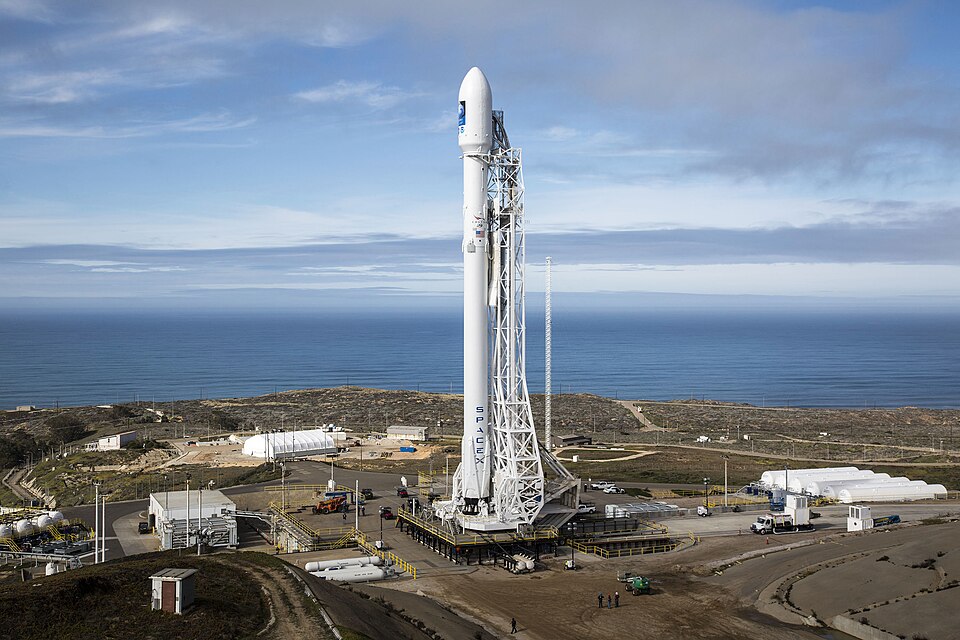
The sector remains a capital-intensive gamble. SpaceX’s launch costs are estimated at $10 million per Falcon 9 rocket. The company’s valuation reached $180 billion in 2024, reflecting investor confidence in its lead.
Amazon, with a market cap exceeding $2 trillion, has the financial depth to sustain Project Kuiper through years of development. Competition is not limited to the American players.
OneWeb, now part of the French-British operator Eutelsat, has deployed 648 satellites. Canadian firm Telesat is also in the race. Both companies are targeting the same underserved markets that Starlink and Amazon hope to reach.
What it means for families across the region
Closer to home, the impact could be transformative. In many parts of Southeast Asia, internet access remains slow, expensive, or simply unavailable. Satellite internet offers a way to leapfrog traditional fiber-optic cables, connecting remote schools, clinics, and small businesses directly from space.
But affordability remains the unanswered question. At $120 per month, Starlink’s US pricing is out of reach for many households in developing Asia.
Amazon has not announced its pricing, and analysts will be watching closely for a figure that could determine whether satellite internet becomes a tool for inclusion or a luxury for the few. The race to 2030 is on. With $100 billion in projected market value, the winners will be those who can combine technical scale with pricing that works for the communities that need connectivity most.




