
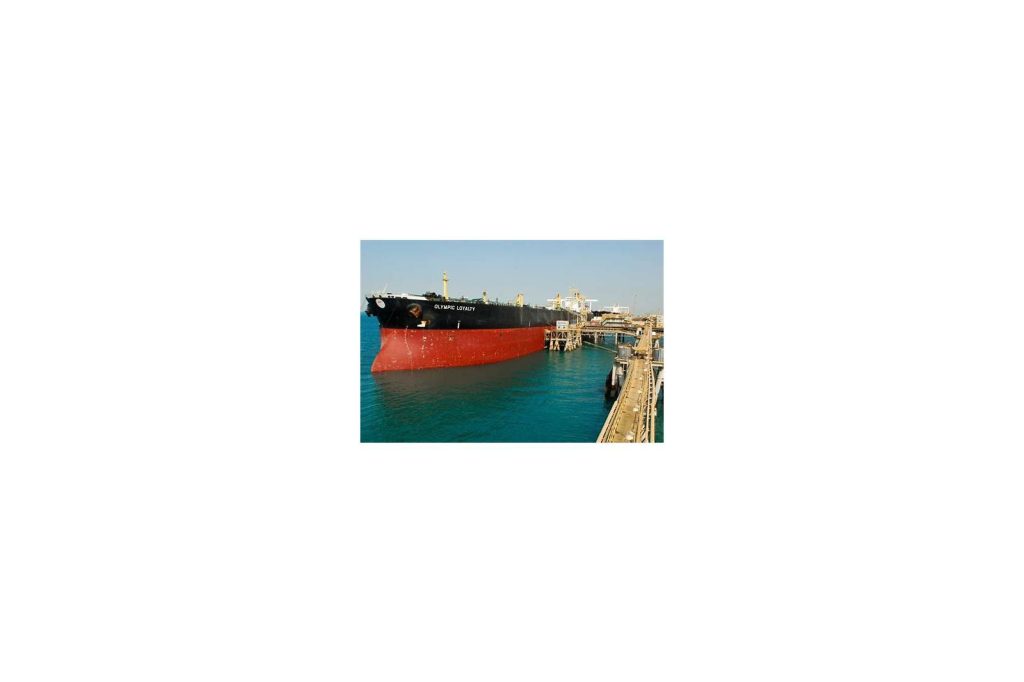
Oil futures markets reacted positively this week after international shipping plans for a proposed cargo fee on vessels transiting the Strait of Hormuz were officially abandoned. The decision prompted an immediate 2% decline in Brent crude prices, offering relief to an industry that had been bracing for higher transport costs across multiple sectors.
The fee, which had been estimated at $1 to $3 per barrel of oil equivalent, was designed to apply to all vessels passing through the narrow waterway. That included not only tankers carrying crude oil, liquefied natural gas, and refined petroleum products but also container ships and bulk carriers transporting a wide array of consumer goods.
Revenue Projections and Economic Consequences
According to data from the International Energy Agency, a fee set at $2 per barrel on the roughly 17 million barrels of oil that transit the strait daily would have generated approximately $12.4 billion in annual revenue. Yet the potential income came with a steep price for consumers and businesses. Shipping analysts at Clarksons Research estimated that the proposed charge could have pushed global oil prices higher by between 1% and 3%, driven purely by increased transport costs. Because the fee would have applied to all vessels, the cost of moving everything from electronics to foodstuffs could have risen.
These cascading effects on consumer goods prices became a central argument for those opposing the plan, as families and businesses already grappling with energy costs faced the prospect of additional upward pressure on household budgets.
Market Reaction and Strategic Significance
The decision to scrap the fee was met with immediate enthusiasm in oil futures markets, where Brent crude fell 2% on the news. For consumers and businesses already navigating volatile energy markets, the abandoned fee removes one potential source of upward pressure on prices. However, the Strait of Hormuz remains one of the world’s most strategically important waterways. With 17 million barrels of oil passing through daily, any future disruption to shipping in the region would still carry significant consequences for global energy markets.
The shipping industry and oil traders have welcomed the reprieve for now, but the underlying geopolitical realities surrounding the chokepoint remain unchanged.
Regulatory Framework and Global Impact
The proposed fee was considered within the broader regulatory context of the International Maritime Organization, the United Nations agency responsible for regulating global shipping. The IMO traces its origins to a UN conference in Geneva in 1948, where nations agreed to create a body to oversee maritime safety after earlier conventions, such as the Safety of Life at Sea agreement following the Titanic disaster, had been adopted in a piecemeal fashion. The organization began work a decade later under its original name, the Inter-Governmental Maritime Consultative Organization, with its first assembly held in London in 1959. The IMO sets standards for maritime safety, environmental protection, and legal matters affecting international shipping. Its structure includes an assembly of member states, a council handling finance and administration, and technical committees supported by a permanent secretariat. As the global regulator for an industry that carries most of the world’s trade, the IMO’s decisions ripple through energy markets, supply chains, and consumer prices. The abandoned fee underscores the delicate balance between generating revenue from strategic waterways and avoiding unintended economic consequences for global commerce. For now, the shipping industry and oil traders have welcomed the reprieve, though the Strait of Hormuz remains a focal point of geopolitical risk that no regulatory action can fully eliminate.




