
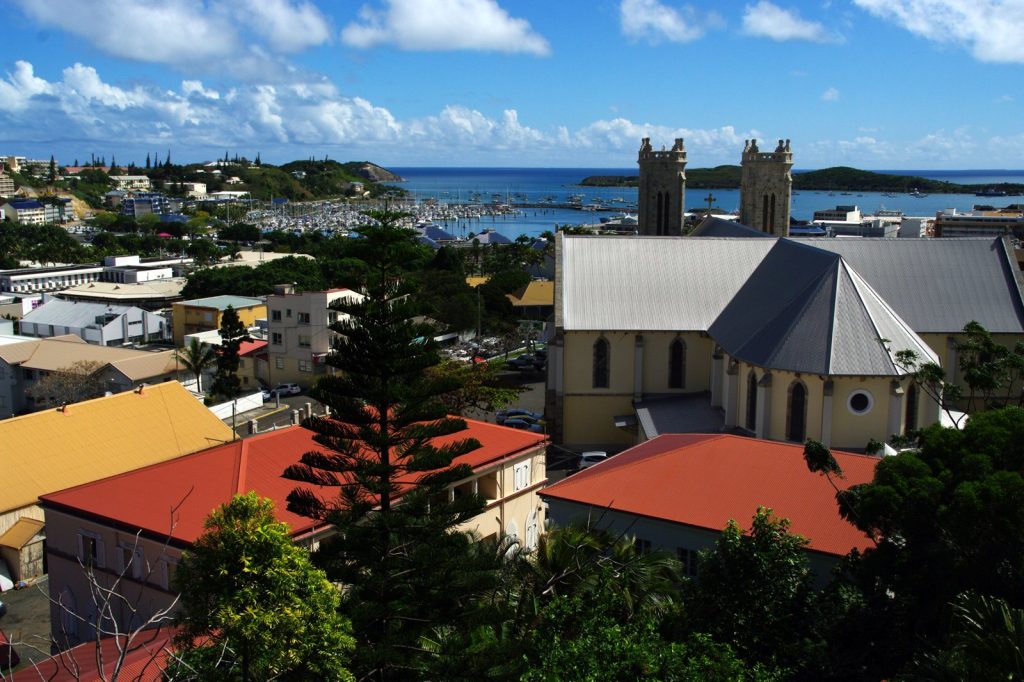
People in the Loyalty Islands and across neighboring island communities felt the ground shake hard on July 13. A magnitude 6.3 earthquake hit at 14:45 UTC, the U.S. Geological Survey confirmed. The epicenter sat southeast of the Loyalty Islands.
Depth was only 10 kilometers. That shallow depth made the shaking worse than it would have been otherwise.
Shallow earthquakes are the ones that hurt. Seismologists say events less than 70 kilometers deep produce stronger surface shaking than deeper quakes of the same size. A magnitude 6.3 event at 10 kilometers can feel violent near the epicenter.
The Loyalty Islands themselves are not heavily populated. But the region includes communities across New Caledonia and other island nations.
People there would have felt the ground move. This is a seismically active corner of the world. The USGS has recorded at least 500 earthquakes of magnitude 5.0 or greater within about 300 kilometers of this location over the past 20 years.
The biggest was a magnitude 7.7 earthquake in 2023. That one was a monster. This one is smaller but still classified as a strong earthquake.
In populated areas close to the epicenter, shaking of that intensity can damage buildings and infrastructure. Homes, schools, hospitals.
Roads. Water systems. Power lines.
No tsunami warning was issued. That is one piece of good news.
Tsunami waves from shallow quakes can arrive fast and devastate coastlines. People in low-lying areas were not told to flee inland or to higher ground. But the shaking itself is a serious concern.
Aftershocks are coming. Seismologists expect them. They can continue for days or weeks after the main event.
Some aftershocks are strong enough to cause additional damage to structures already weakened by the initial quake. People in the affected area need to be prepared for further shaking.
That means staying alert. Not going back into damaged buildings until they are checked. Having emergency supplies ready.
The USGS detected the event quickly. That gives local authorities time to assess damage and coordinate response.
But in remote island communities, assessment takes time. Communication lines can be down. Roads can be blocked.
Help may not arrive fast. For the people living through this, the immediate reality is simple. The ground shook hard.
It may shake again. Their homes and buildings may not be safe.
And they are far from the kind of emergency services that cities take for granted. The Loyalty Islands and nearby communities have dealt with earthquakes before. Many of them.
But each one is a test. This one is another test.




