
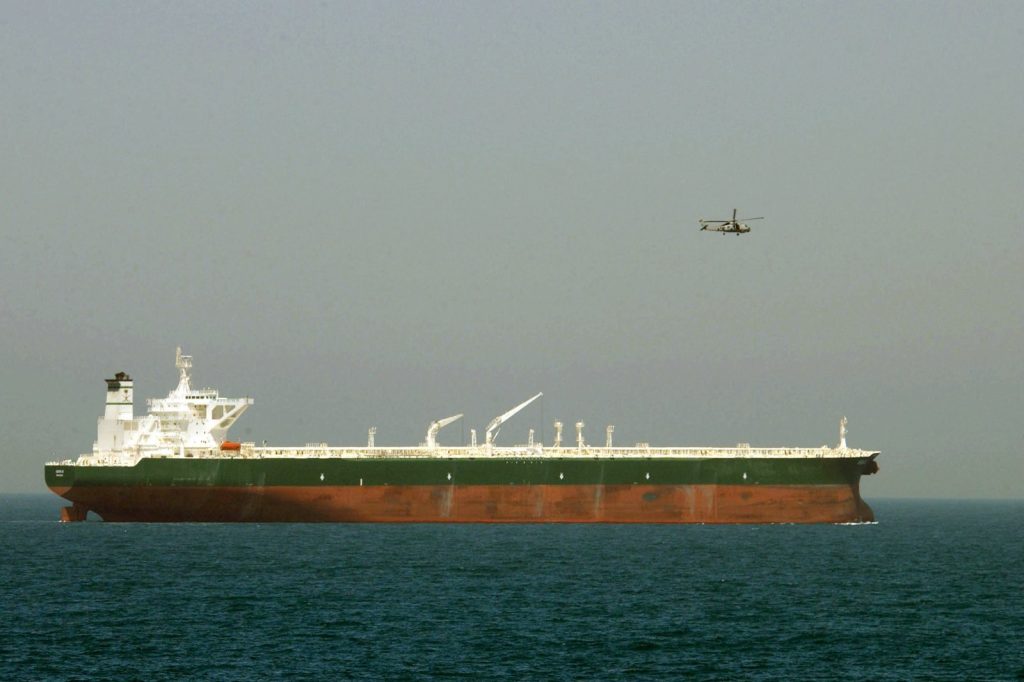
MANAMA, July 20 — A tanker attack in the Strait of Hormuz, followed by US strikes, has sent shockwaves through global energy markets and raised fears of a partial or full closure of the waterway that carries roughly a fifth of the world’s oil each day. The human cost is immediate. Behind the numbers of barrels and insurance premiums are the crews aboard those vessels and the families who anxiously await news.
For the shipping companies that move the world’s energy, the attack has triggered a cascade of difficult decisions: soaring insurance premiums and, for some, the choice to reroute tankers around Africa — a longer, far costlier journey that adds days to every voyage.
The Strait’s Vital Role
The Strait of Hormuz is a critical chokepoint for global energy security. According to the U.S. Energy Information Administration, about 20 percent of the world’s oil and 25 percent of its liquefied natural gas pass through the narrow waterway daily. In 2022, an average of 17 million barrels per day of crude oil and petroleum products transited the strait.
Major oil producers — Saudi Arabia, Iraq, the United Arab Emirates, Kuwait, Iran and Qatar — all depend on this artery to reach global markets. Any disruption here threatens to send prices climbing worldwide.
History shows how swiftly markets react. In 2019, after a series of tanker attacks in the same region, Brent crude jumped 4 percent in a single day. This time, the combination of a direct attack and US military strikes raises the stakes even higher.
Some shipping companies have already begun rerouting vessels around the Cape of Good Hope, a detour that drives up costs and strains supply chains.
Human and Economic Toll
The US Navy’s Fifth Fleet, based in Bahrain, conducts regular patrols through Operation Sentinel, a maritime security initiative launched in 2019 to protect shipping in the region. The latest attack may trigger a full naval escort operation for tankers transiting the strait — a move that would further stretch US military resources, already deployed across the Middle East. For the US administration, the calculus is delicate.
The US strikes have met with a direct threat to close the strait, partially or fully. Such a closure would choke off a lifeline for global energy supplies, hitting consumers and businesses with higher costs at a time when economic pressures are already being felt in households and on factory floors.
The coming days will test whether the Strait of Hormuz remains open for business — and at what cost to the people who depend on its daily flow of energy to power their lives and livelihoods.




