
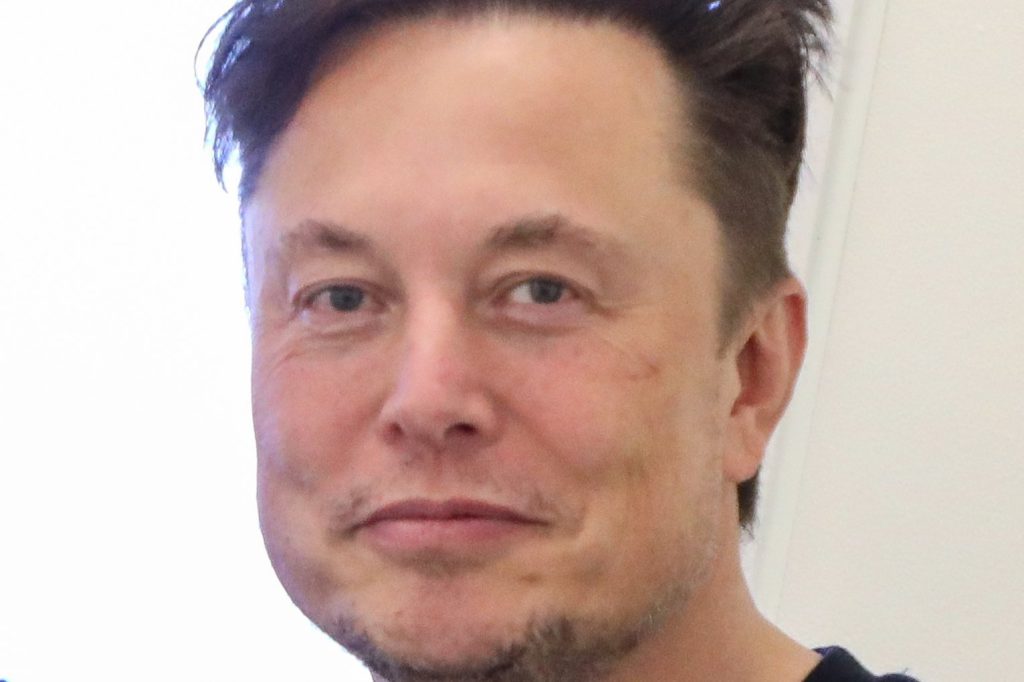
LOS ANGELES, July 7 — Elon Musk turned 55 last week, and if his birthday wish list is any guide, he’s still laser-focused on getting humanity off this planet. The founder and chief engineer of SpaceX, born June 28, 1971, in Pretoria, South Africa, has spent the last two decades building the tools he believes will make Mars colonization a reality. That mission, frankly, has never felt less like science fiction.
Think of it like this: Musk didn’t just decide he wanted to build a better car or a faster rocket. He looked at the entire aerospace industry and concluded the fundamental problem was cost.
Every pound of payload sent to orbit was absurdly expensive because rockets were designed to be used once and thrown away. His solution, born in 2002 with the founding of SpaceX, was to build reusable rockets. The practical upshot for the rest of us?
A launch market that has been totally disrupted, with prices dropping dramatically and a pace of launches that would have been unthinkable a generation ago. The numbers tell the story, but they’re almost too big to wrap your head around.
SpaceX’s Falcon 9 rocket first flew in 2010. It has since become the workhorse of the commercial space industry, landing its first stage back on Earth with a precision that still feels like a magic trick. The Falcon Heavy followed in 2018, essentially three Falcon 9 cores strapped together, capable of lifting enormous payloads.
The Dragon spacecraft, which also debuted in 2010, has been carrying cargo and astronauts to the International Space Station. This is the hardware that has made SpaceX the dominant launch provider for both NASA and commercial customers.
The constellation overhead
Then there’s Starlink. The first batch of satellites launched in 2019. As of 2024, the constellation had grown to over 5,500 satellites in low Earth orbit.
In plain terms, that’s a swarm of small spacecraft providing internet connectivity to some of the most remote places on the planet. For people in rural areas with no broadband options, or for disaster zones where traditional infrastructure has been knocked out, Starlink has become a literal lifeline.
The service is now available on every continent, and it’s generating the revenue that Musk says will fund the bigger Mars-bound ships he’s developing at SpaceX’s Texas facility. Musk’s empire, of course, extends well beyond rockets. He co-founded Tesla in 2003, the electric car company that forced the entire global auto industry to pivot toward battery-powered vehicles.
He co-founded Neuralink in 2016, the brain-computer interface company that is working on implantable chips that could one day help people with paralysis control computers with their thoughts. He also co-founded The Boring Company in 2016, which is digging tunnels under cities with the stated goal of alleviating traffic.
And in 2022, he acquired Twitter, the social media platform, and renamed it X. As of 2024, his net worth was estimated at over $200 billion, placing him among the wealthiest people in the world.
The other side of the coin
It hasn’t all been smooth sailing. Musk has been a vocal advocate for space exploration, pushing the boundaries of what’s technically possible with a relentless, often exhausting, intensity. But he has also faced significant criticism over labor practices at his companies and over regulatory compliance.
Workers at Tesla have raised concerns about safety conditions on the factory floor, and federal agencies have investigated the company over workplace injuries. SpaceX has faced its own scrutiny over environmental issues related to its launch sites and over the sheer volume of Starlink satellites cluttering the night sky.
The regulatory dance is a constant tension for a man who has made his reputation by moving fast and breaking things. So what’s next? The Starship program, SpaceX’s next-generation fully reusable rocket system, is the key to Musk’s Mars ambitions.
It’s designed to be the biggest, most powerful rocket ever built, capable of carrying 100 people or more on interplanetary voyages. Test flights have been dramatic, with some ending in spectacular explosions and others achieving significant milestones.
The company is iterating fast. The practical upshot, if it works, is that the cost of moving mass off Earth could drop by another order of magnitude. That’s the kind of leap that turns a Martian colony from a billionaire’s hobby into a plausible human endeavor.
For now, Musk remains the central figure in a story that is part engineering triumph, part corporate drama, and part vision of a future that most people still find hard to believe is actually coming. The rockets are flying. The satellites are beaming down internet signals.
The cars are on the road. The tunnels are being dug.
Whether you see him as a visionary or a provocateur, the hardware he has built is reshaping industries in real time. And the clock is ticking toward Mars.
{“@context”: “https://schema.org”, “@type”: “NewsArticle”, “headline”: “Elon Musk: SpaceX founder behind Starlink satellite network”, “description”: “LOS ANGELES, July 7 — Elon Musk turned 55 last week, and if his birthday wish list is any guide, he’s still laser-focused on getting…”, “datePublished”: “2026-07-07T09:30:00+00:00”, “author”: {“@type”: “Person”, “name”: “Erika Johnson”}, “publisher”: {“@type”: “Organization”, “name”: “InfoPulse Today”, “url”: “https://newsfeed.infopulsetoday.com/”}}




