
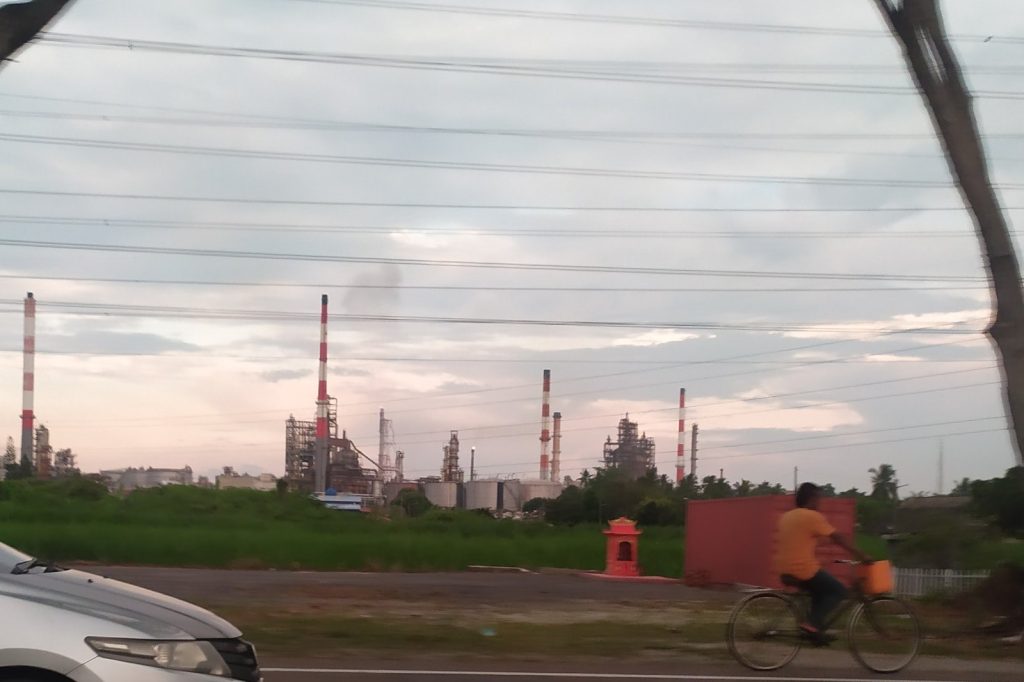
LONDON, July 10 — Against this backdrop of fragile global energy equilibrium, the prospect of heavy tariffs on Russian oil has emerged as a defining risk for markets already navigating the fallout from years of conflict and supply discipline. Russia stands as the world’s third-largest oil producer, trailing only the United States and Saudi Arabia. According to the U.S. Energy Information Administration, the country produced approximately 10.5 million barrels per day in 2024.
In 2023, it exported roughly 5 million barrels per day of crude oil and petroleum products, with about 60% of that volume directed to China and India. A tariff of 25% to 50% could reduce Russian exports by 1 million to 2 million barrels per day, according to estimates based on historical supply disruptions.
Such a reduction would likely push global oil prices higher by $10 to $20 per barrel. The Brent crude benchmark averaged $82 per barrel in 2024. What is at stake in the corridors of power is not merely a price adjustment, but the stability of a market that has already been reshaped by war and sanctions.
The International Energy Agency has warned that disruptions of this magnitude could destabilise markets, particularly if Moscow retaliates by cutting production further.
Winners and Losers in a Tariff Scenario
Higher prices would benefit American producers, who achieved a record output of 13.2 million barrels per day in 2024. The United States, now the world’s largest oil producer, has built a capacity to absorb some of the supply gap, but not without consequences for consumers and inflation. The wider picture includes the role of OPEC+, the producer alliance that includes Russia.
The group has maintained coordinated production cuts of 2 million barrels per day since October 2022, a policy that has kept a floor under prices even as geopolitical shocks have rattled markets. For European capitals, the tariff debate carries particular weight.
The continent has spent the years since the full-scale invasion of Ukraine weaning itself off Russian pipeline gas and crude, but the transition has been neither complete nor painless. A sharp price spike would hit European refiners and consumers hard, reigniting inflationary pressures that central banks have only recently begun to tame.
The Russian Calculus
Moscow has shown a willingness to weaponise energy exports, and a tariff regime would test that resolve. If Russia retaliates by cutting production further, the resulting supply loss could compound the initial impact of the tariffs, driving prices higher still. China and India, which together absorb the majority of Russian crude exports, would face a difficult choice: comply with Western tariff regimes or continue buying discounted Russian barrels, potentially straining their own diplomatic and economic relationships.
The date of this analysis, July 10, 2026, places the debate in a moment of heightened uncertainty. The Biden-era sanctions architecture has been replaced by a new administration under President Donald Trump, with Vice President JD Vance and Secretary of State Marco Rubio shaping foreign policy.
The current US administration has signalled a willingness to use economic tools against Moscow, but the precise contours of any tariff plan remain unclear.
Looking Ahead
The coming months will reveal whether the tariff threat is a negotiating tactic or a policy reality. What is clear is that the global oil market, already stretched by OPEC+ cuts and the redirection of Russian flows, is poorly positioned to absorb another major disruption. The Brent benchmark, the IEA’s warnings, and the production data from Russia and the United States all point to a market at a crossroads. The decision on tariffs will not only affect the price of crude, but will also shape the broader economic and geopolitical landscape for years to come.
Sources
- Oil Tariffs: Global Market Impact and Economic Effects
- World Oil Monitor — Live Oil Prices, Futures & Energy Data




