
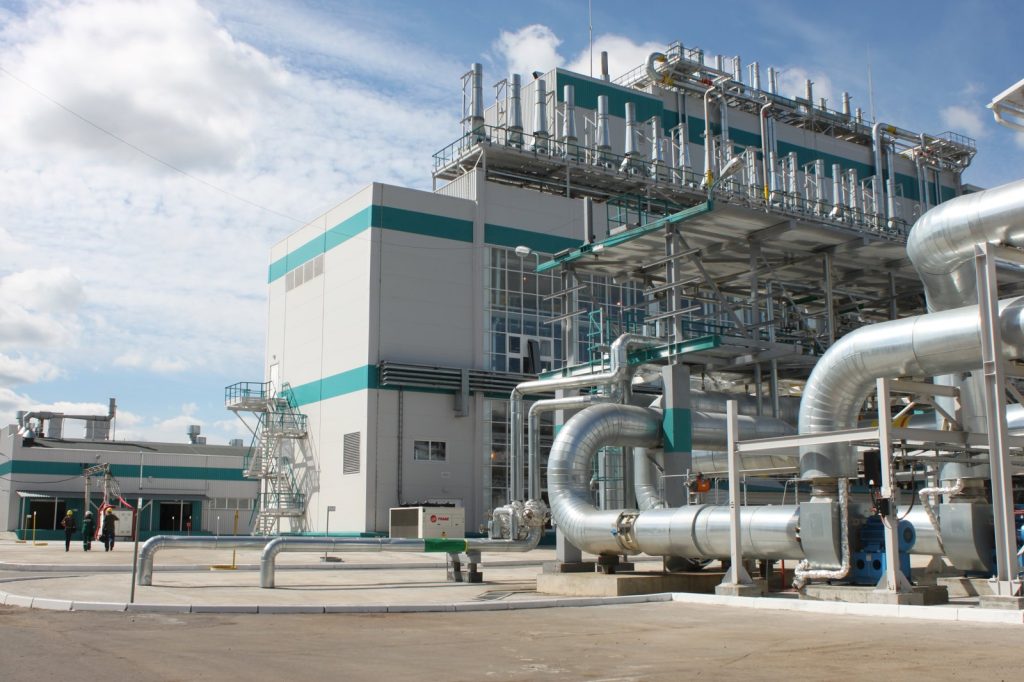
LONDON, July 14 — The shift is quietly reshaping the industrial geography of Russia’s war economy. Two of its largest energy and petrochemical firms — Tatneft and Sibur Holding — are now squarely in the crosshairs of Western sanctions and Ukrainian military strategy, and the pressure is mounting on facilities that generate billions in revenue and fuel Russia’s military operations. Tatneft, one of Russia’s largest oil producers, has deep roots in the republic of Tatarstan.
Founded in 1950 and headquartered in Almetyevsk, the company extracts roughly 28 million tons of oil annually. Its flagship Taneco refinery in Nizhnekamsk, commissioned in 2011, processes 360,000 barrels per day, churning out gasoline, diesel, and jet fuel.
The company is majority-owned by the government of Tatarstan and maintains close ties to the Russian state. What’s changing is the strategic attention these facilities are drawing. Ukrainian strikes on Tatneft’s infrastructure directly impact Russian industrial capacity and war funding, according to available information.
Petrochemical giant under the same shadow
Sibur Holding, founded in 1995 and headquartered in Moscow, is Russia’s largest petrochemical company. It operates the Nizhnekamskneftekhim plant, also in Nizhnekamsk, which produces synthetic rubber, plastics, and other industrial materials. Sibur reported revenues of $11.2 billion in 2023.
The trend underneath the headlines is the growing vulnerability of these industrial giants. Sibur is partly owned by Leonid Mikhelson and Gennady Timchenko, both of whom have been sanctioned by the United States and the European Union since 2022.
Both firms have been targeted by Western sanctions, and the cumulative effect is beginning to show.
Sanctions and strikes: a two-front pressure
Western sanctions have restricted access to technology, financing, and markets for both Tatneft and Sibur. But the physical threat has escalated. Ukrainian strikes on their facilities are not symbolic; they are tactical operations aimed at degrading the industrial base that supports Russia’s war effort.
The Taneco refinery and the Nizhnekamskneftekhim plant are both located in the same industrial cluster in Tatarstan, making the region a concentrated target. Watch this space.
The combination of financial sanctions and kinetic strikes creates a compounding effect. When a refinery is hit, production halts, revenues drop, and the military faces fuel shortages. When a petrochemical plant is damaged, the supply of synthetic rubber and plastics for military vehicles and equipment tightens.
The two firms together represent a significant portion of Russia’s industrial output in the energy and materials sectors. The government of Tatarstan, which holds a majority stake in Tatneft, has a vested interest in protecting these assets.
But the proximity of both major facilities to each other in Nizhnekamsk presents a strategic vulnerability. A single successful strike could disrupt multiple production lines simultaneously.
What comes next
For the US administration, the focus remains on tightening the economic noose. The European Union has maintained parallel sanctions on the key oligarchs behind Sibur. The trend underneath is clear: the war in Ukraine is increasingly being fought on industrial terrain.
Refineries and petrochemical plants are not just economic assets; they are military targets. As long as Tatneft and Sibur remain central to Russia’s energy and materials production, they will remain in the crosshairs.
The question now is how long the industrial base in Tatarstan can withstand the combined pressure of sanctions and strikes. The answer will shape Russia’s capacity to sustain its war effort in the months ahead.




