
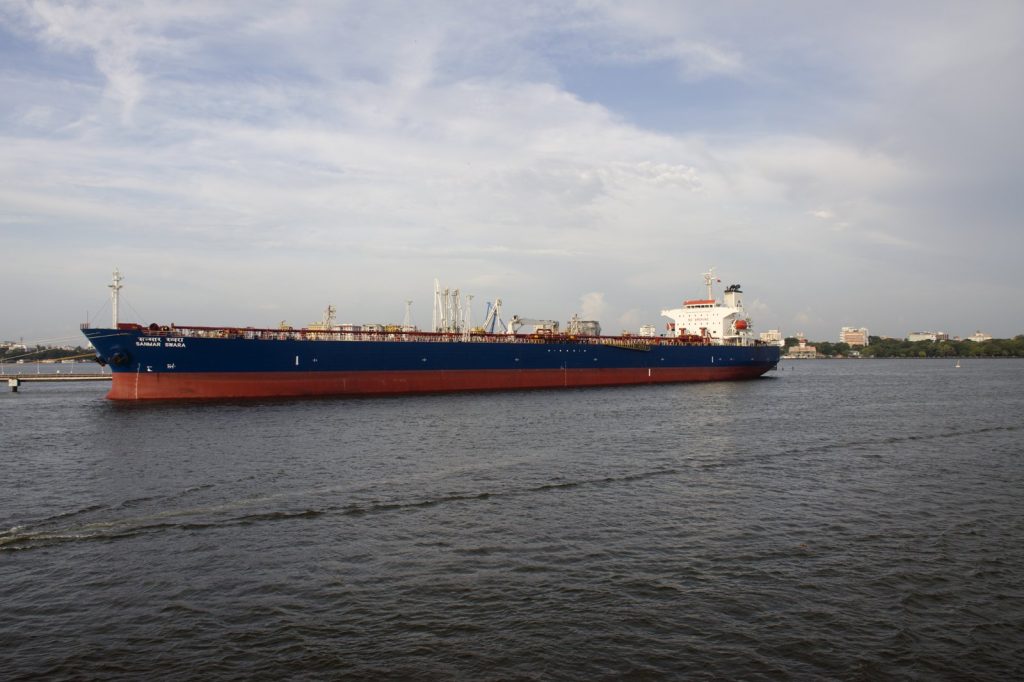
A Historical Chokepoint’s Modern Importance
According to the EIA data, roughly 21 million barrels per day of crude oil and petroleum products move through the Strait of Hormuz. That volume represents about 20% of global petroleum consumption. The numbers break down by country in a way that illustrates the concentrated dependence on free passage through the waterway. Saudi Arabia moves approximately 6 million barrels per day through the chokepoint. Iraq sends 3.5 million barrels per day. Kuwait and the United Arab Emirates each push about 2.5 million barrels per day. Qatar, a major exporter of liquefied natural gas, ships 1.5 million barrels per day of LNG through the same narrow waters. The EIA data treats petroleum and LNG together, reflecting the integrated nature of energy flows through the strait.
Oil prices reflect global supply and demand rather than any single country’s output, with benchmark crudes setting reference values for buyers and sellers. A chokepoint like Hormuz matters because any block on transit can tighten world supply and lift energy costs for ordinary consumers. The record shows what a closure can do. During the 2011-2012 tensions in the strait, Brent crude rose above $120 per barrel. The EIA estimates that a prolonged shutdown could reduce global oil supply by 15-20%. That scale of disruption, according to the agency, could trigger a recession in oil-importing nations.
Emergency Reserves and the Limits of Strategic Stockpiles
The U.S. Strategic Petroleum Reserve holds about 700 million barrels. Other nations maintain their own stockpiles. The International Energy Agency coordinates emergency releases among its member countries, a system designed to cushion the blow of supply disruptions. But the numbers raise questions about how long reserves could compensate for a full closure. A 15-20% reduction in global supply represents a daily shortfall far exceeding what any single nation’s reserve can replace for an extended period. The IEA’s coordination mechanism would face its most severe test.
The strait is not just about oil. Qatar’s 1.5 million barrels per day of LNG transits the same waters. A closure would hit natural gas markets simultaneously, compounding the economic damage. The simultaneous pressure on both oil and gas markets would create a layered supply crisis that emergency stockpiles, designed primarily for petroleum, are not structured to address fully.
The LNG Dimension and a Pattern of Unresolved Threats
Previous crises in the strait have been resolved without a full shutdown. The 2011-2012 tensions saw Iranian threats and naval posturing, but traffic continued. Whether that pattern holds in any future confrontation remains an open question. Before the recent Iran war, the strait had not been shut for long during regional conflicts, though Iran had at times threatened closure and readied mines. A full blockade would represent a break from historical precedent, but the tools for such a disruption have been prepared.
What to watch next: the condition of global strategic reserves, the IEA’s readiness to activate emergency protocols, and any diplomatic signals from Gulf states whose export volumes depend on free passage through the strait. The waterway that ancient mariners once navigated without naming has become the single most concentrated chokepoint for seaborne energy trade, and the consequences of its closure would ripple through economies that depend on the steady flow of crude, petroleum products, and natural gas from the Persian Gulf.
Sources
- Strait of Hormuz – Tanker Traffic – Daily Transits… | TankerMap
- Iran war: What is the Strait of Hormuz and why does it matter?




