
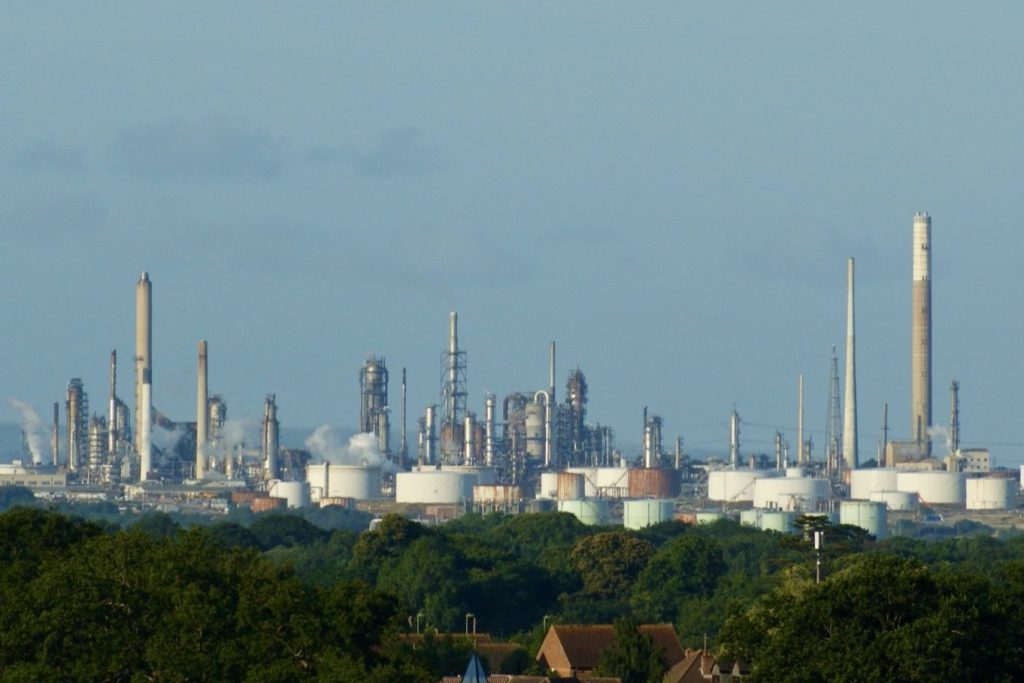
OMSK, July 7 — The Omsk Oil Refinery, Russia’s largest by processing capacity, sits at the center of a strategic puzzle. Owned by Gazprom Neft, the oil arm of the state-controlled Gazprom, this facility processes about 21 million tons of crude annually — about 420,000 barrels per day. That scale makes it a key supplier for fuel across Siberia.
Commissioned in 1955, the refinery has had decades to embed itself into the regional economy. A major modernization program, completed in 2020, boosted efficiency and expanded output of high-octane gasoline and diesel.
The plant now produces a range of petroleum products — gasoline, diesel, jet fuel, bitumen — and distributes them via the Trans-Siberian Railway and a network of pipelines. This critical infrastructure sits about 2,800 kilometers from Ukraine, a distance that once seemed to guarantee safety. On May 9, 2024, a drone strike hit the refinery, sparking a fire that disrupted operations.
The full extent of the damage and the production impact has not been disclosed. For a facility of this size, even a temporary shutdown can ripple through supply chains that serve the entire Siberian Federal District and beyond.
Gazprom Neft is the oil arm of Gazprom, itself a state-controlled company. The refinery’s output feeds a region that is both resource-rich and infrastructure-poor, where winter fuel deliveries are not a convenience but a necessity.
The drone calculus
The distance is the headline number. At about 2,800 kilometers from Ukraine, the Omsk refinery is deeper inside Russian territory than most analysts assumed Ukrainian drones could reach. That range, if confirmed, redraws the threat map for every major Russian energy installation east of the Urals.
The refinery’s location in Omsk, a city in southwestern Siberia, was long considered a natural buffer. That buffer has evaporated.
What the source material does not specify is the type of drone used, the payload, or the precise point of impact. What is clear: a fire broke out, operations were disrupted, and the company has not quantified the damage. When a state-controlled firm withholds production figures after a strike, it suggests either that the damage is significant enough to cause concern, or that the political cost of admitting vulnerability is too high.
For context, the refinery processes about 21 million tons of crude per year. That is about 420,000 barrels per day — enough to fuel a substantial portion of Siberia’s transport, heating, and industrial sectors.
The Trans-Siberian Railway, which carries the refinery’s products east and west, is a single artery; a blockage at Omsk would force rail operators to reroute supplies from other refineries, adding days to delivery times and costs to already stretched logistics.
Strategic dependencies
The refinery’s strategic importance is not theoretical. It is the primary supplier of fuel to the Siberian Federal District, a region that spans from the Urals to the Pacific. Siberia’s economy depends on mining, timber, and energy extraction — all of which require diesel and gasoline.
Jet fuel from Omsk feeds airports that connect remote communities. Bitumen from the refinery paves roads that are otherwise impassable for months at a time.
The May 2024 strike was not the first attack on Russian energy infrastructure, but it was among the deepest. Previous drone strikes had hit refineries closer to the Ukrainian border. Omsk represents a new tier of vulnerability.
The distance — about 2,800 kilometers — means that either Ukrainian drone technology has advanced significantly, or that the drones were launched from inside Russian territory. Either explanation carries implications that extend well beyond one refinery.
For Gazprom Neft, the calculus is now about redundancy. The company has not announced any major changes to security protocols at Omsk, at least not publicly. But the economics of refinery operations are unforgiving: unplanned downtime costs millions of dollars per day in lost production, and repairing damage from a drone strike can take weeks or months, depending on the components hit.
The refinery’s modernization program, completed in 2020, focused on efficiency and output — not on hardening against aerial attack. That may now change.
What to watch next
The key variable is disclosure. If Gazprom Neft continues to withhold production data from the Omsk refinery, analysts will assume the worst. If the company releases figures showing a quick return to normal operations, that will signal either resilience or an attempt to project strength.
Either way, the May 9 strike has introduced a new variable into the energy security equation for Siberia. The broader question is whether other deep-Russian refineries — those in the Urals, in Western Siberia, or even further east — now face similar risk.
The Omsk refinery is the largest, but it is not the only one. If Ukrainian drone capabilities have indeed extended to about 2,800 kilometers, then no major Russian oil facility is safe. The economics of that reality will take time to unfold, but the process has already begun.
Sources
- Ukraine Strikes Russia’s Largest Oil Refinery in… – The Moscow Times
- Russia’s largest oil refinery in flames as Ukraine strikes Omsk, 2,500…




